

Thermostat Repair in Simi Valley, CA

Thermostat repair and diagnostic services in Simi Valley, CA help homeowners diagnose, repair, and optimize their heating and climate-control systems. The page covers common local issues such as wiring faults, sensor drift, improper placement, weak batteries, and smart thermostat compatibility, plus a step-by-step troubleshooting process, typical turnaround times, and emergency options. It also outlines parts replacement policies, warranties, and documentation practices, and offers practical tips to prevent future failures, ensuring reliable temperature control and reduced energy bills.
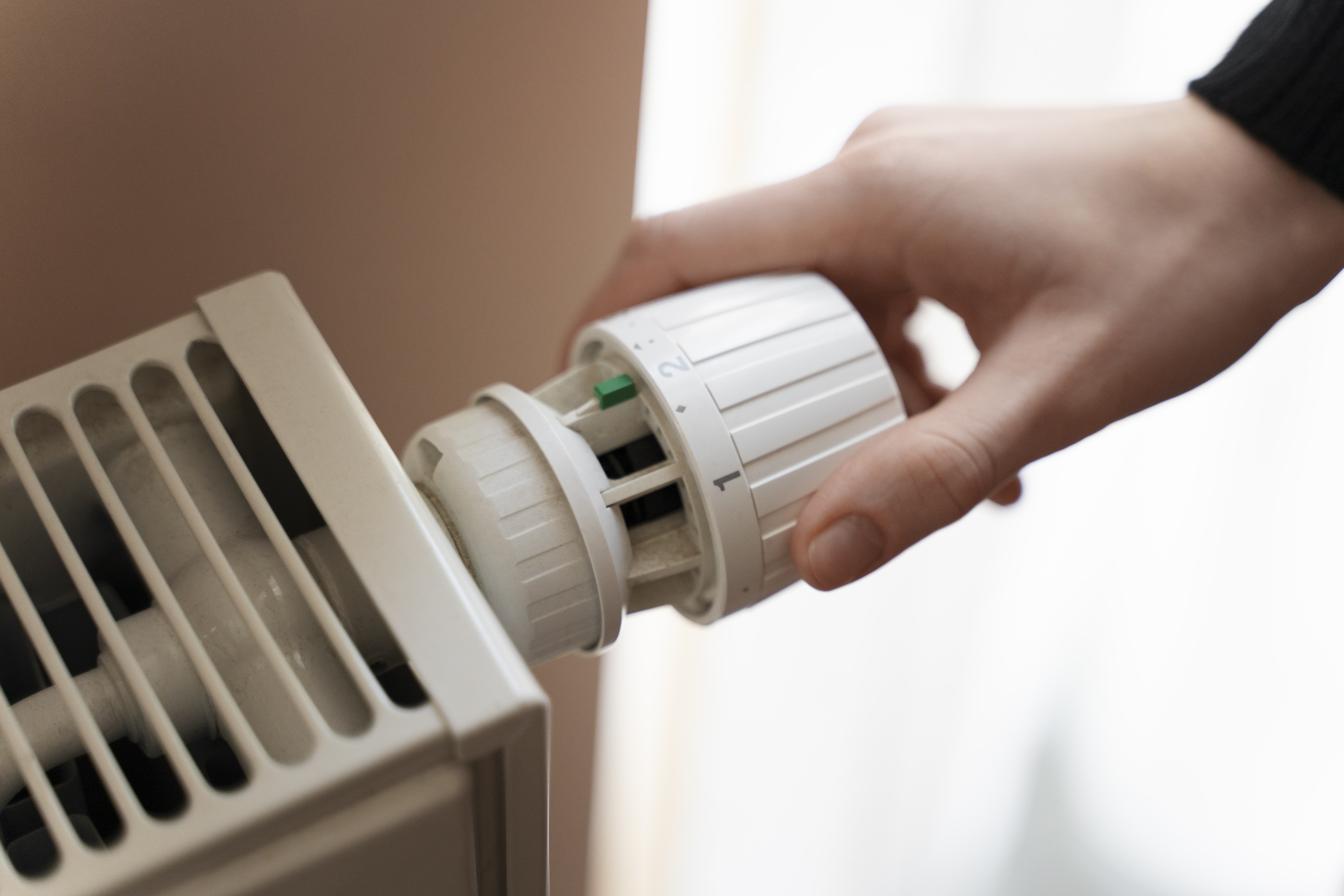
Thermostat Repair in Simi Valley, CA
A properly functioning thermostat is the control center for home comfort. In Simi Valley, CA, where hot summers, occasional heat waves, and variable air quality from seasonal wildfires put extra demand on cooling systems, thermostat problems translate quickly into discomfort and higher energy bills. This page explains thermostat diagnostic and repair services, common issues found in Simi Valley homes, the troubleshooting and repair process, parts replacement policies, expected turnaround times and emergency options, plus practical tips to avoid repeat problems.
Common thermostat issues in Simi Valley
Homeowners in this region commonly face these thermostat problems:
- Wiring faults: loose, corroded, or rodent-damaged wires that cause intermittent control or no response.
- Sensor failures: internal temperature sensors that drift or fail, leading to inaccurate temperature readings.
- Inaccurate readings: thermostat placement (near windows, heat sources, or in direct sun) or sensor drift causing rooms to feel too hot or too cold.
- Dead or weak batteries: especially in battery-powered or backup-powered thermostats.
- Compatibility and programming errors: smart thermostats that are not correctly configured for multi-stage systems or heat pump setups.
- Display or control failures: touchscreens or buttons that stop responding due to wear, moisture, or firmware issues.
- Communication problems: smart thermostats that lose Wi-Fi or fail to communicate properly with the HVAC control board.
Thermostat diagnostic and troubleshooting process
A clear diagnostic path reduces guesswork and prevents unnecessary part swaps. Typical steps include:
- Initial inspection: check thermostat settings, mode, schedule, batteries, and error codes.
- Visual wiring check: inspect the wiring configuration at the thermostat and at the furnace or air handler for loose connections, corrosion, or rodent damage.
- Verify power: confirm 24V transformer output where applicable and check battery voltages.
- Sensor and reading verification: compare thermostat temperature reading to an independent thermometer in the same room to identify sensor drift or placement issues.
- System communication test: test relay operation and signals to the HVAC system to confirm the thermostat is sending proper commands.
- Smart thermostat checks: verify firmware, Wi-Fi connection, and compatibility settings (stage configuration, heat pump mode, accessory equipment).
- Load and control board checks: if thermostat tests normal, inspect the HVAC control board and relays to rule out downstream faults.
- Document findings: provide a clear diagnostic report with recommended repairs, replacement options, and estimated timelines.
Diagnostics typically require specialized tools such as a multimeter, volt tester, and thermostat programming utilities. Safe handling of control wiring and test procedures is essential.
Typical repairs and solutions
Common, practical fixes include:
- Re-securing or replacing damaged wiring and terminals.
- Replacing dead batteries and recommending a battery change schedule.
- Replacing faulty internal sensors or the thermostat unit when calibration cannot be restored.
- Reprogramming thermostats and optimizing schedules for local climate patterns to reduce runtime during hot afternoons.
- Installing a compatible smart thermostat or reverting to a simple programmable unit for older HVAC systems.
- Replacing or repairing the 24V transformer, relays, or control board components if the issue is downstream.
- Relocating the thermostat when placement causes inaccurate readings.
Smart thermostats may require additional configuration steps to work correctly with heat pumps, two-stage compressors, or integrated zoning systems.
Parts replacement policy and guarantees
Quality parts and clear warranty terms matter:
- OEM vs aftermarket: OEM parts are recommended for complex control systems; quality aftermarket thermostats are acceptable for standard systems with documented compatibility.
- Warranty coverage: typical industry practice is to offer parts warranties (commonly 6 to 12 months) and labor guarantees (commonly 90 days). Confirm specific warranty periods and what they cover when arranging service.
- Transparent replacements: all replaced components should be documented, explained, and left with the homeowner if requested. Disposal of old parts follows local guidelines.
- Workmanship assurance: repairs should include verification checks to ensure the thermostat and HVAC operate correctly across modes after service.
Turnaround times and emergency options in Simi Valley
Turnaround depends on the problem complexity and parts availability:
- Diagnostic visit: usually 30 to 90 minutes to complete on-site testing and produce a repair plan.
- Simple repairs (battery, wiring terminal tightening, firmware updates): often completed during the same visit.
- Thermostat replacement and programming: commonly resolved in 1 to 3 hours if a compatible unit is available.
- Parts ordering: if a specific control board or specialty part is required, expect parts lead times from 1 to 5 business days depending on season and availability.
- Emergency options: during heat waves, wildfire-related air quality events, or after-hours failures, expedited or emergency response options are frequently available to restore basic climate control quickly. Seasonal demand during summer may extend non-emergency timelines, so urgent needs should be identified promptly.
Tips to avoid future thermostat problems
Simple preventive steps reduce service calls and improve system efficiency:
- Keep the thermostat out of direct sunlight and away from heat sources like lamps, TVs, or exterior walls that heat up in the sun.
- Replace batteries annually, and check them before summer and winter.
- Clean around the thermostat to remove dust and debris that can affect sensors or touchscreens.
- Update smart thermostat firmware and Wi-Fi settings regularly; maintain a stable network for connected units.
- Install surge protection for HVAC control circuits to reduce damage from electrical transients.
- Schedule annual HVAC tune-ups to catch control board or relay issues before they affect thermostat performance.
- Use appropriate thermostat settings for Simi Valley climate patterns—use setback strategies overnight or when away to balance comfort and energy savings.
Why timely thermostat repair matters in Simi Valley homes
Prompt thermostat repair restores consistent comfort, reduces unnecessary HVAC cycling, and avoids higher utility bills. In Simi Valley, where cooling demands rise in summer and air quality events can prompt increased indoor air handling, a reliable thermostat helps maintain healthy indoor conditions and protects HVAC equipment from excessive wear. Addressing thermostat problems early can prevent more expensive repairs to compressors or control boards and help your system run as efficiently as intended.
Reliable thermostat diagnostics and repairs focus on restoring accurate temperature control and communication between the thermostat and your HVAC system. Knowing common causes, the diagnostic steps, expected timelines, and standard warranty practices helps you make informed decisions about repair versus replacement and ensures your home stays comfortable and energy efficient throughout Simi Valley seasonal demands.
Customer
Testimonials
Our customers consistently praise the exceptional service and professionalism of our team. They appreciate the honest advice, meticulous work, and the care taken to ensure their satisfaction.

.webp)
Service Areas
