

Ventilation in Rosemead, CA

Ventilation in Rosemead, CA discusses how proper whole-home or spot ventilation improves indoor air quality, reduces moisture problems, and enhances comfort in a hot Mediterranean climate. It explains mechanical supply, exhaust, balanced ERV/HRV, and spot ventilation, their suitability for Rosemead's conditions, and common building challenges. The page outlines a professional assessment and design process—from walk-throughs and airflow testing to code reviews (ASHRAE 62.2, Title 24) and retrofit or new-install options. It also covers maintenance, costs, and expected IAQ improvements.
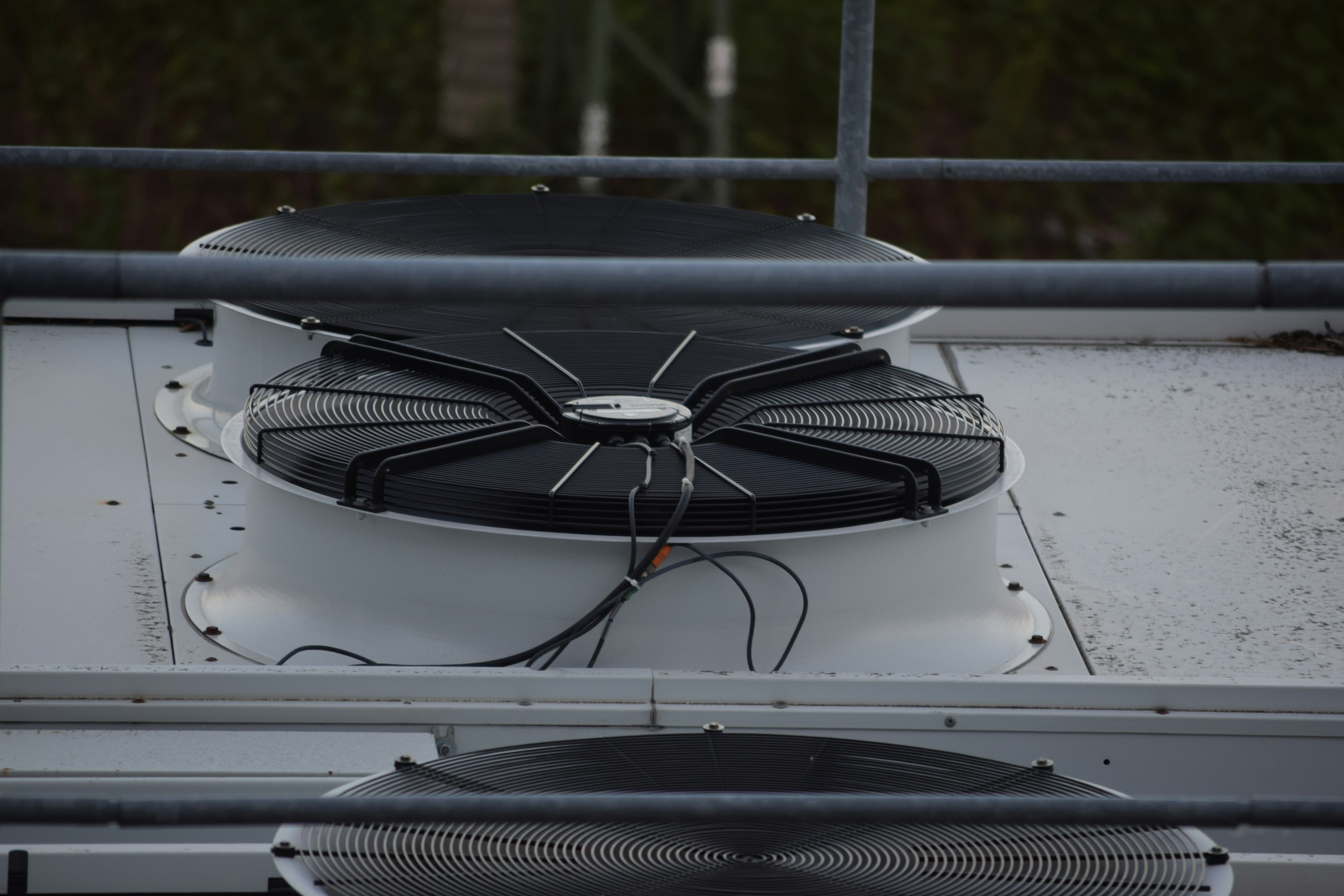
Ventilation in Rosemead, CA
Proper ventilation is one of the most effective ways to improve indoor air quality, reduce moisture problems, and make your home more comfortable year-round. In Rosemead, CA, where hot summers, occasional humidity shifts, and seasonal wildfire smoke and urban air pollution affect indoor air, the right whole-home or spot ventilation strategy protects occupants and preserves building materials. This page explains mechanical ventilation, ERV/HRV versus exhaust fans, assessment and design steps, retrofit and new-install options, expected IAQ improvements, cost factors, and how homeowners typically arrange an evaluation.
Why ventilation matters in Rosemead homes
- Local air quality events: Periodic wildfire smoke and regional smog make pollutant management a priority. Sealing a home without adding controlled fresh air can trap pollutants and raise CO2.
- Climate: Mediterranean climate with warm, dry summers and mild winters means year-round comfort benefits from controlled ventilation and energy recovery.
- Typical building stock: Many older homes have leaky building envelopes or dated ductwork. A balanced ventilation approach helps address both energy waste and health concerns.
Types of ventilation and how they differ
- Mechanical supply ventilation: Brings filtered outdoor air into the home at a controlled rate. Good when outdoor air quality is acceptable; can be paired with filtration during smoke events.
- Exhaust ventilation: Uses continuous or intermittent fans to remove indoor air, relying on passive inlets for replacement air. Common for bathrooms and kitchens; simple and relatively low cost but can pressurize the home negatively.
- Balanced ventilation (ERV / HRV):
- HRV (Heat Recovery Ventilator) transfers heat between outgoing and incoming air. Best in cold, dry climates.
- ERV (Energy Recovery Ventilator) transfers both heat and some moisture, better suited for climates with moderate humidity, like Rosemead. ERVs reduce the sensible and latent load on HVAC systems and lower energy penalties for ventilation.
- Spot ventilation: Localized fans in bathrooms, kitchens, and laundry rooms to capture moisture and pollutants at the source.
Common ventilation issues in Rosemead, CA
- High indoor CO2 and stale air after long periods of occupancy
- Persistent odors and VOCs from household products
- Condensation, surface mold, or musty smells in bathrooms and crawlspaces
- Deteriorating indoor air quality during wildfire smoke episodes
- Overly dry or overly humid rooms due to unbalanced airflow or lack of moisture control
Assessment and design process
A professional ventilation evaluation follows structured steps to size and select the appropriate system while ensuring compliance and energy efficiency.
- Initial walk-through
- Inspect building envelope, HVAC equipment, kitchen and bathroom exhausts, and attic/crawlspace conditions.
- Identify pollutant sources, occupancy patterns, and filtration needs.
- Measurement and diagnostics
- Airflow measurement: Quantify fan and duct flows in cubic feet per minute (CFM) to ensure target ventilation rates are met.
- Blower door and duct leakage testing (if needed) to understand whole-house tightness and duct losses.
- IAQ testing: CO2, relative humidity, and particulate counts when smoke or indoor pollutants are a concern.
- Code and standards review
- Compare proposed ventilation rates to ASHRAE 62.2 and California Title 24 requirements to ensure compliance for new construction or significant retrofits.
- Verify local permitting and installation standards for Rosemead and Los Angeles County.
- Sizing and selection
- Decide between ERV/HRV, supply, or exhaust solutions based on climate, indoor humidity goals, and filtration needs.
- Evaluate integration with existing HVAC ducts or select ductless options for minimal-intrusion retrofits.
- Energy and control considerations
- Assess heat recovery performance, fan energy, static pressure, and controls such as demand-controlled ventilation (CO2 sensors or humidity-based controls) to limit unnecessary ventilation while preserving IAQ.
Retrofit vs new-install options
- Retrofit options
- Ducted ERV/HRV integrated into existing HVAC ducts for whole-house balanced ventilation.
- Inline supply or exhaust fans with dedicated duct runs where ducts are impractical.
- Spot upgrades: high-performance kitchen range hoods and bathroom fans vented to the exterior with rated CFM and sound levels.
- Filter upgrades or adding MERV-rated filtration to mechanical ventilation to help during smoke events.
- New construction options
- Properly sized ducted ERV/HRV with optimized placement of intake and exhaust terminals for balanced airflow.
- Integrated controls tied to the primary HVAC system for coordinated operation and energy savings.
- Opportunity to design passive inlet/exhaust locations to minimize contamination from neighbors or street pollution.
Expected indoor air quality improvements
After a properly designed ventilation upgrade you can expect:
- Lower average CO2 levels and fewer symptoms of drowsiness or poor concentration
- Reduced odors, VOC buildup, and overall perceived stuffiness
- Better control of indoor humidity and reduced mold risk in bathrooms and attics
- Reduced infiltration of outdoor particulates when ventilation includes filtration strategies
- More consistent thermal comfort due to reduced localized drafts and better air distribution
Maintenance and performance checks
- Replace or clean ERV/HRV cores and filters according to manufacturer intervals.
- Verify airflow rates seasonally; inspect fans and ducts for blockages or leaks.
- Check controls and sensors (CO2/humidity) annually to maintain demand-controlled ventilation accuracy.
Cost guidance and evaluation process
- Cost is influenced by system type (ERV/HRV vs supply/exhaust), complexity of integration with existing ductwork, required filtration upgrades, and any necessary electrical or structural work.
- Energy considerations, control sophistication (demand-control sensors), and local permitting also affect overall project scope.
- Typical evaluation steps homeowners can expect from a qualified professional include: a site visit, blower door and airflow measurements if needed, an IAQ assessment, and a written recommendation outlining options, expected benefits, and code compliance notes to assist with permit applications.
Implementing the right ventilation strategy in Rosemead homes protects occupant health, improves comfort, and reduces long-term risks to the building. A targeted assessment that accounts for local air quality events, Title 24 and ASHRAE 62.2 requirements, and the specifics of your existing HVAC and building envelope will identify the most effective whole-home or spot ventilation approach for your situation.
Customer
Testimonials
Our customers consistently praise the exceptional service and professionalism of our team. They appreciate the honest advice, meticulous work, and the care taken to ensure their satisfaction.

.webp)
Service Areas
