

Ventilation in Palm Springs, CA

Comprehensive ventilation guidance tailored for Palm Springs homes emphasizes indoor air quality, comfort, and durable building performance in hot, dusty climates. The page outlines why ventilation matters, common local issues, and when to use each solution—from whole-house mechanical and exhaust-only to supply-only and energy recovery ventilators. It covers sizing, code considerations, installation steps, and maintenance practices, stressing airtight envelope awareness, duct sealing, and balanced airflow. The goal is sustainable IAQ, energy efficiency, and reliable comfort year-round.
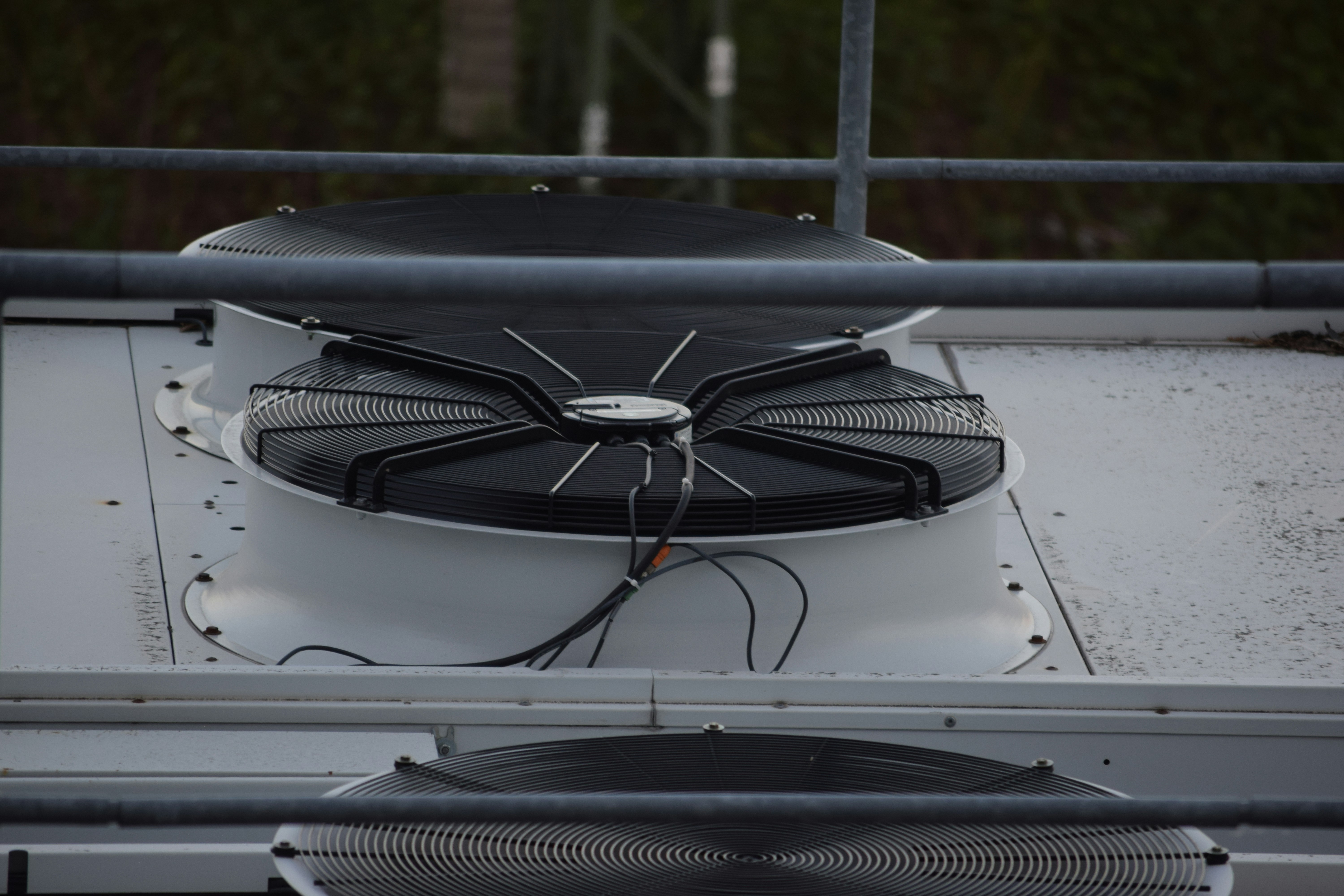
Ventilation in Palm Springs, CA
Proper ventilation is one of the most important investments you can make for indoor comfort, health, and building durability in Palm Springs, CA. With a climate characterized by long, hot summers, strong sunlight, occasional monsoon humidity, and frequent dust and allergens, a carefully chosen ventilation strategy helps control moisture, reduce indoor pollutants, limit dust infiltration, and support efficient cooling. This page explains the main ventilation options for Palm Springs homes, how systems are sized and installed, code and energy considerations, and straightforward maintenance guidance to keep your indoor air quality (IAQ) consistently good.
Why ventilation matters for Palm Springs homes
- Improve indoor air quality by removing VOCs, cooking and bath odors, and particulates tracked in from outdoors.
- Prevent moisture problems and condensation in pool houses, bathrooms, kitchens, and tightly sealed, remodeled homes.
- Protect HVAC efficiency by reducing recirculated pollutants that can clog filters and coils.
- Reduce dust and allergen levels common in desert environments through controlled filtration and balanced airflow.
- Avoid negative or positive pressure issues that can cause backdrafting of combustion appliances or unwanted infiltration.
Common ventilation issues in Palm Springs
- Excess dust and fine particulates driven by wind and nearby landscaping or construction.
- High indoor temperatures and cooling loads from daytime outside heat and solar gain.
- Intermittent indoor humidity spikes during monsoon season and from indoor pools or spas.
- Homes that were air sealed for energy savings but are now lacking adequate fresh air exchange.
- Bathroom and kitchen moisture problems when only passive vents or undersized fans are present.
Types of ventilation and when to use them
- Whole-house mechanical ventilation
- Balanced systems that supply and exhaust matched air flows to control overall air exchange. Best for airtight homes and new construction where consistent, filtered fresh air is required.
- Exhaust-only ventilation
- Central or bathroom/kitchen exhaust fans that remove stale air and rely on makeup air from leaks or passive inlets. Simple and cost effective for moderate needs but can create negative pressure and draw in dust or combustion gases.
- Supply-only ventilation
- Brings filtered outdoor air into the home, slightly pressurizing the house and reducing dust infiltration. May require relief pathways to avoid overpressurization.
- Energy or heat recovery ventilators (ERV/HRV)
- HRV transfers heat between outgoing and incoming air and is typically chosen for cold climates. ERV transfers both heat and moisture and is often preferred in climates with humidity concerns. In Palm Springs, an ERV can be useful during monsoon periods or in homes with indoor pools and spas where moisture control is important.
- Spot and utility ventilation
- Local exhaust fans for kitchens, bathrooms, laundry rooms, and garages to quickly remove moisture and odors at the source.
System selection and sizing for Palm Springs
System choice depends on home size, occupancy, envelope tightness, existing HVAC layout, and specific local challenges like pool humidity or desert dust.
- Use industry guidance such as ASHRAE 62.2 and California Title 24 as starting points for minimum ventilation rates by bedroom count and floor area.
- Consider a whole-house balanced system with heat or energy recovery if the home is tightly sealed or if you want continuous, filtered ventilation without major energy penalty.
- For homes with heavy local sources of moisture (pool houses, frequent indoor cooking), prioritize systems with moisture handling such as ERVs and robust spot exhaust.
- Incorporate demand-controlled ventilation (CO2 or occupancy sensors) in living areas and garages to avoid unnecessary conditioning during high outdoor temperature periods and to tailor ventilation to actual occupancy.
Ductwork and installation considerations
- Proper duct design and sealing are critical. Leaky ducts in hot attics or crawlspaces will negate efficiency and IAQ benefits.
- Insulate ducts in unconditioned spaces to avoid heat gain and condensation.
- Locate outdoor intakes away from pools, mulch beds, trash areas, and prevailing dust paths to reduce contaminants and pest entry.
- Include backdraft dampers and motorized balancing dampers as needed to prevent unwanted infiltration and to enable balanced operation.
- Coordinate ventilation controls with existing HVAC controls so that ventilation can be scheduled or modulated around peak outdoor temperatures. Nighttime purge ventilation is often recommended in desert climates to take advantage of cooler evening air.
Installation process — what to expect
- Assessment: Measure house size, airtightness, HVAC configuration, and special sources like pools or garages. Basic diagnostics can include blower door testing or indoor air monitoring for CO2 and humidity.
- Design: Determine required airflow, select system type (ERV/HRV vs balanced fans), design duct runs and intake/exhaust locations.
- Prep: Minimal retrofits may require creating intake/exhaust penetrations, mounting mechanical units, and integrating controls. Larger installs may require new duct runs and balancing dampers.
- Commissioning: After installation the system should be airflow balanced, filters and cores installed, controls programmed, and a walkthrough performed to explain normal operation and seasonal adjustments.
- Permitting: New installations or major modifications normally require permits and must meet California Title 24 and local building codes.
Maintenance and troubleshooting
Regular maintenance keeps performance high and avoids IAQ problems:
- Clean or replace filters on schedules recommended by the manufacturer, typically every 3 to 12 months.
- Clean ERV/HRV cores annually or per manufacturer guidance to avoid odor and efficiency loss.
- Inspect outdoor intakes for debris, nests, and dust build-up; keep landscaping trimmed away from intakes.
- Confirm fans and controls run correctly, and test for balanced airflow annually.
- Watch for signs of inadequate ventilation such as persistent odors, visible condensation, mold, or unexplained humidity spikes.
- For homes with combustion appliances, test for backdrafting and carbon monoxide risk before and after any ventilation changes.
Code and energy considerations in Palm Springs
California energy code (Title 24) and ASHRAE 62.2 provide minimum ventilation requirements and efficiency guidance. Newer systems with energy recovery and high-efficiency fans can meet IAQ needs while minimizing added cooling loads. In hot climates like Palm Springs, coordinating ventilation timing and using energy recovery devices helps reduce the energy penalty of bringing in warm outdoor air.
Final notes — balancing comfort, IAQ, and energy
In Palm Springs, effective ventilation is a balance between bringing in clean, fresh air and minimizing heat, dust, and moisture impacts. For most homes, a combination of whole-house balanced ventilation with mechanical recovery and targeted spot exhaust for kitchens and bathrooms delivers the best mix of comfort, moisture control, and reduced allergen load. Proper design, ductwork sealing, and routine maintenance are what keep systems performing well year after year, protecting indoor air quality and the durability of your home.
Customer
Testimonials
Our customers consistently praise the exceptional service and professionalism of our team. They appreciate the honest advice, meticulous work, and the care taken to ensure their satisfaction.

.webp)
Service Areas
