

Thermostat Installation in Palm Springs, CA

Thermostat installation in Palm Springs, CA, ensures reliable cooling performance for homes facing high summer heat. The process covers pre-install assessment, compatibility checks, wiring, calibration, programming, and warranty considerations to minimize delays and short cycles. Different thermostat types meet varied needs—from basic digital to smart and heat-pump compatible models—emphasizing energy efficiency, precise control, and remote access. A professional installation includes accurate siting, secure mounting, sensor calibration, and post-install user guidance to maximize comfort and long-term system life and efficiency gains.
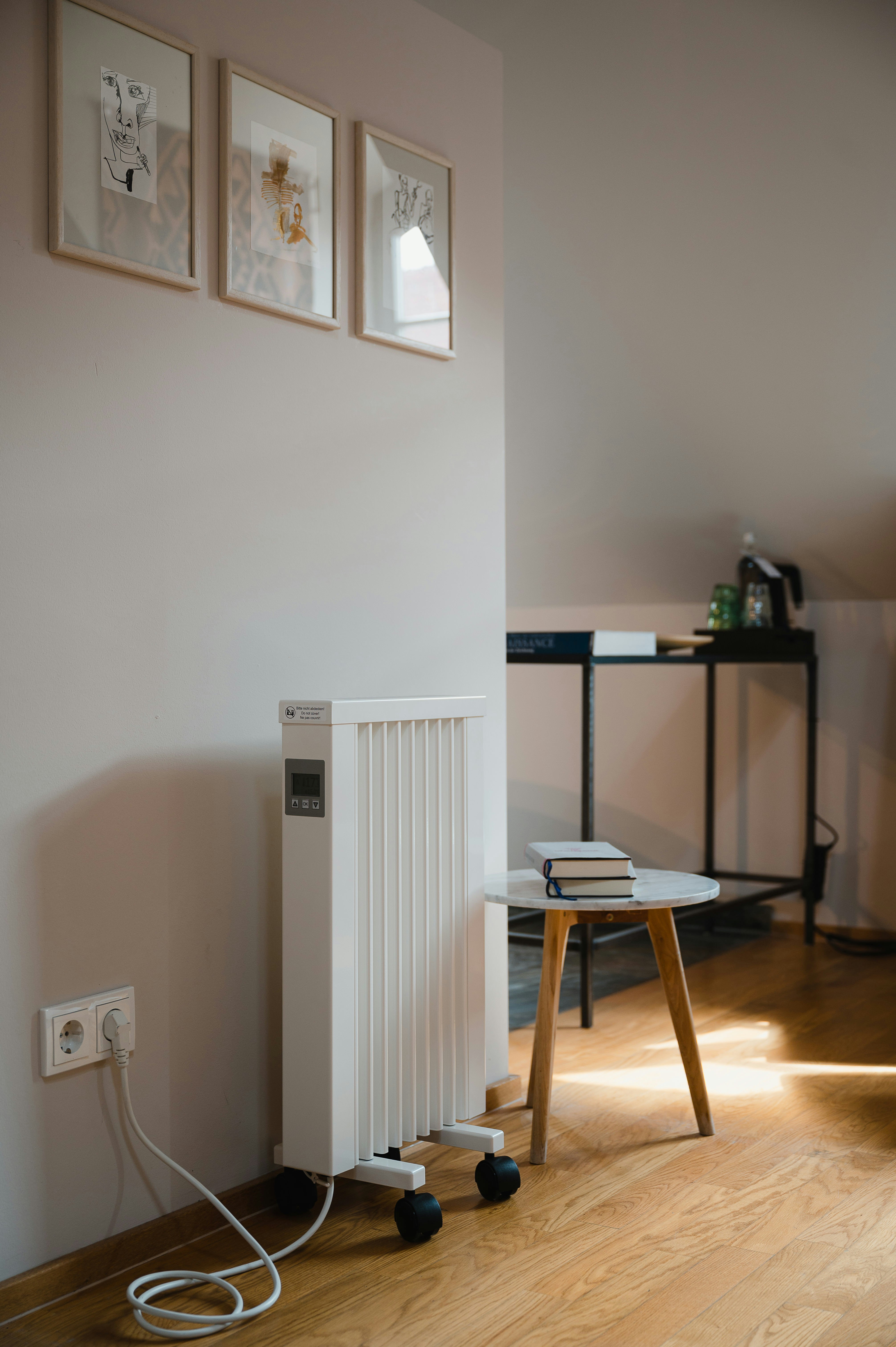
Thermostat Installation in Palm Springs, CA
Upgrading or installing a thermostat in Palm Springs, CA is more than swapping a device on the wall. With the desert heat, long cooling seasons, and homes that often rely heavily on air conditioning, the right thermostat and a professional installation are essential for reliable temperature control, lower energy use, and consistent comfort. This page explains the full thermostat installation process — from pre-install assessment and compatibility checks to wiring, calibration, programming, warranty considerations, and realistic timelines for Palm Springs homes.
Why thermostat choice and installation matter in Palm Springs
Palm Springs experiences prolonged high temperatures and intense sun exposure that place a heavy, sometimes continuous demand on cooling systems. An improperly installed or incompatible thermostat can cause short cycling, uneven cooling, higher energy bills, and premature wear on your air conditioner. A correctly selected and professionally installed thermostat helps your system run efficiently during peak cooling months and gives you precise control over schedules, humidity management, and remote access when you are away.
Common thermostat types and which suit Palm Springs homes
- Basic digital thermostats: Simple, reliable controls for homeowners who want manual scheduling without smart features.
- Programmable thermostats: Allow fixed schedules to reduce cooling when the house is empty during work hours or when residents are sleep.
- Smart thermostats: Wi-Fi enabled with remote control, learning schedules, geofencing, and energy reports. Especially valuable in Palm Springs for automatic adjustments during heat waves or when vacation properties are unoccupied.
- Heat pump compatible thermostats: Necessary for homes with heat pump systems to handle reversing valves and auxiliary heat staging.
- Zoning and multi-stage thermostats: Useful in larger or multi-level homes to manage different cooling loads and improve comfort across zones.
Choose a thermostat based on HVAC type, whether you need remote monitoring for a second home or rental, and features like humidity sensing and multi-stage control.
Pre-install assessment: what we check before installing
A thorough pre-install assessment prevents compatibility problems and delays:
- HVAC system type (single stage, multi-stage, heat pump, conventional furnace)
- Existing wiring and presence of a C-wire (common) or the need for a power adapter
- Voltage type at the control board (24V common in most systems)
- Compatibility with zoning systems or existing smart home controllers
- Location suitability: avoiding direct sunlight, heat sources, or poor Wi-Fi coverage
- Any required adapter or control module for non-standard systems
This assessment typically includes a quick system inspection and review of your comfort goals and scheduling preferences so the installation matches your needs.
Professional wiring, mounting, calibration, and testing
A professional installation follows a clear process to ensure safety and long-term reliability:
- Power-off and verify system isolation for safe wiring.
- Confirm terminal labeling at the furnace/air handler and on the new thermostat. Verify control voltages.
- Run or adapt wiring. If a C-wire is missing, options include using a compatible adapter, installing a new conductor, or recommending a thermostat that does not require a common wire.
- Securely mount the thermostat on a properly chosen interior wall away from direct sun and drafts.
- Configure settings for system type, stage control, heat pump reversing valve, and fan behavior.
- Calibrate sensor readout and confirm accurate temperature response compared to a reference.
- Perform full system tests: call for cooling and heating stages, verify proper compressor and fan operation, and check for short cycling or incorrect staging.
- Verify Wi-Fi connection and app pairing for smart units, and test remote control features.
Testing and calibration reduce the chance of errors such as incorrect staging, incorrect fan control, or inaccurate temperature readings that are common causes of comfort complaints in hot climates.
User programming walkthrough and tips for Palm Springs cooling
After installation, homeowners receive a clear walkthrough to use the thermostat effectively:
- Setting daily and weekly schedules to lower cooling during predictable unoccupied periods
- Using eco or away modes when the home is empty or during peak heat to avoid excessive compressor runtime
- Enabling geofencing for vacation homes to minimize cooling while away and return to comfort prior to arrival
- For smart thermostats: using learning features cautiously in the first week, and setting minimum run times to avoid short cycling
- Managing humidity: where present, coordinate thermostat settings with any whole-home dehumidifier or ventilation system
- Integrating with zoning: set zone priorities and temperature differentials to balance comfort and efficiency
These programming steps help maximize comfort and reduce energy use during Palm Springs summers.
Common issues and diagnostic solutions
Common thermostat installation issues in Palm Springs and how they are resolved:
- Missing C-wire: add a power adapter or run a new conductor to the control board.
- Poor Wi-Fi for smart thermostats: relocate router, add a Wi-Fi extender, or use thermostats with robust cellular options.
- Short cycling: confirm staging and minimum compressor run times; check refrigerant and system health.
- Incorrect heat pump settings: ensure reversing valve orientation and auxiliary heat configuration are correct.
- Inaccurate temperature readings: reposition thermostat away from heat sources and recalibrate sensor.
Identifying these issues during pre-assessment or immediately after installation prevents repeated service calls and helps maintain efficient cooling.
Warranty, workmanship, and timelines
- Warranty: Most thermostats include a manufacturer limited warranty covering defects. Installers commonly provide a separate workmanship or installation warranty for a defined period. Keep documentation for both.
- Typical timeline: A thorough pre-install assessment takes about 15 to 30 minutes. Standard residential installations generally take 45 to 90 minutes on-site. Smart installations requiring app setup and account linking may take longer. Complex systems, new wiring, or zoning integrations can extend the timeline to several hours or require a follow-up visit.
- Permits: In most residential cases, a thermostat swap does not require a permit. Complex control upgrades tied into whole-home automation or electrical panels may need additional review.
Long-term benefits and maintenance advice
Proper thermostat installation delivers:
- Improved comfort and consistent indoor temperatures during extreme Palm Springs heat
- Lower energy use through smarter scheduling and precise staging
- Reduced wear on HVAC equipment and potentially longer system life
- Remote monitoring and diagnostics for vacation homes and rentals
Maintenance tips:
- Update thermostat firmware and app software regularly.
- Replace batteries annually if your thermostat uses them.
- Keep vents and return grills clear, and schedule routine HVAC maintenance for peak cooling season.
- Verify C-wire voltage and connections during annual HVAC tune-ups.
A professionally installed thermostat tailored to Palm Springs homes provides dependable temperature control, energy savings, and peace of mind during long cooling seasons.
Customer
Testimonials
Our customers consistently praise the exceptional service and professionalism of our team. They appreciate the honest advice, meticulous work, and the care taken to ensure their satisfaction.

.webp)
Service Areas
