

Ventilation in Orange, CA

Ventilation in Orange, CA explains how proper ventilation protects indoor air quality and reduces moisture in homes and commercial spaces. It covers common system types, including balanced ERV/HRV, supply/exhaust options, local exhaust, and commercial makeup air. The page highlights diagnosis methods for dampness, odors, and allergies, plus duct design, leakage testing, and code considerations. It then describes residential and commercial installation steps, energy efficiency factors, maintenance schedules, and the long-term value of well-designed, properly balanced ventilation in coastal and wildfire-prone communities.
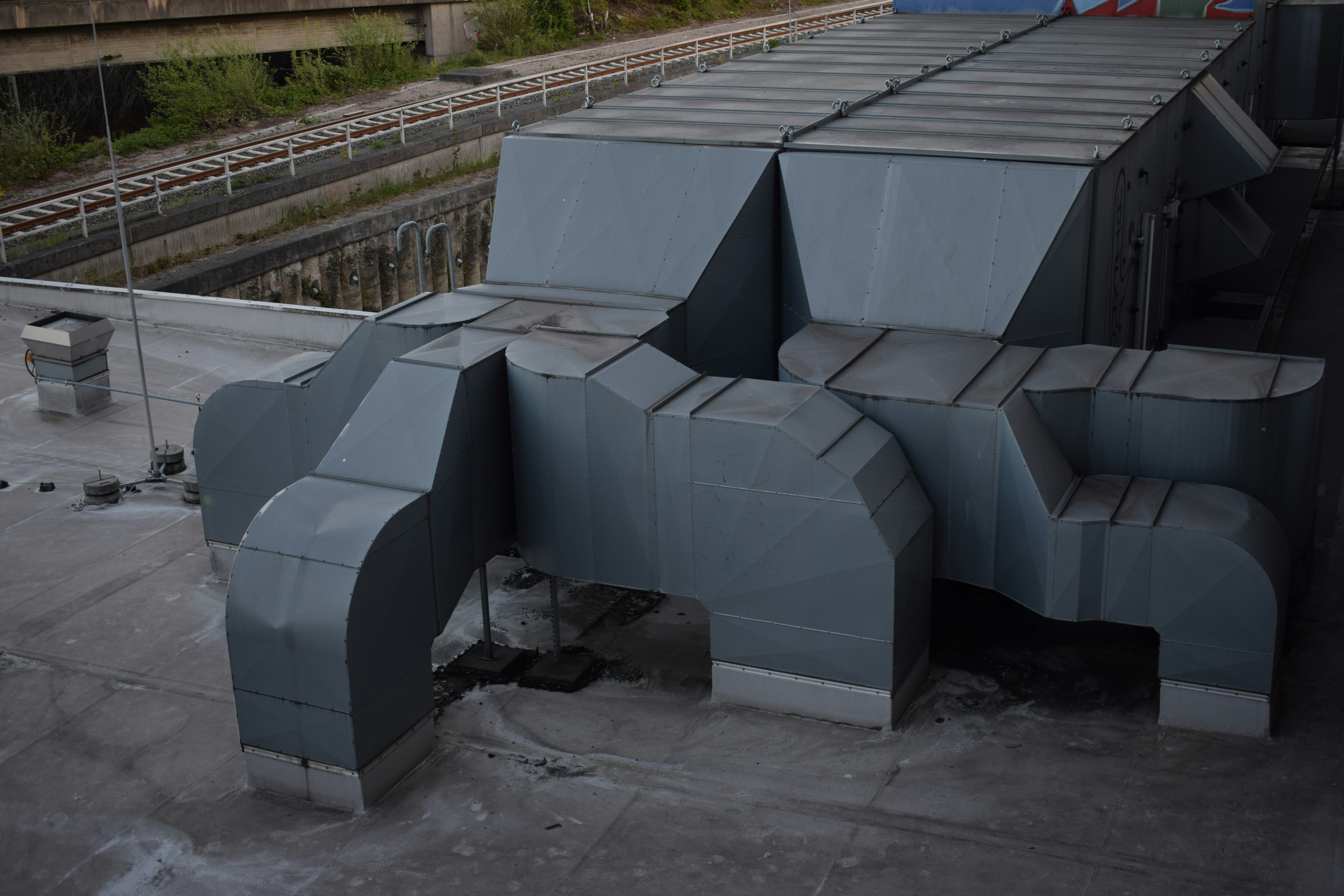
Ventilation in Orange, CA
Good ventilation is one of the most cost effective ways to protect indoor air quality, reduce moisture problems, and improve comfort for homes and businesses in Orange, CA. Whether you are dealing with lingering cooking odors in a condo near the coast, elevated indoor humidity from the marine layer, or episodic wildfire smoke and Santa Ana dust, the right ventilation approach—balanced whole-home systems, ERV/HRV installations, or targeted local exhaust—solves the problem at the source while conserving energy.
Common ventilation needs and system types in Orange, CA
Understanding the right type of ventilation for your property starts with knowing the common problems Orange, CA buildings face:
- Whole-home balanced ventilation (ERV or HRV): supplies tempered fresh air while exhausting stale air, with heat and moisture transfer to reduce HVAC load. Often recommended for tighter, newer homes and multifamily buildings in Orange.
- Supply-only or exhaust-only ventilation: lower-cost options for certain retrofits; exhaust-only (bath/kitchen) is common but can create negative pressure if not balanced.
- Local exhaust systems: kitchen range hoods, bathroom fans, and dryer vents designed and sized to remove contaminants at their source.
- Commercial ventilation solutions: makeup air units, rooftop exhaust, and code-driven ventilation for restaurants, offices, schools, and retail spaces.
- Filtration and smoke response: high-efficiency filtration (MERV-rated or better) integrated with ventilation to reduce wildfire smoke and outdoor allergens common during Santa Ana wind events.
- Demand controlled ventilation (DCV): sensors (CO2, occupancy, humidity) that modify ventilation rates to save energy while maintaining air quality.
Diagnosing ventilation problems
Common ventilation issues in Orange, CA include dampness on windows after a marine layer night, musty odors, persistent allergies, dust accumulation after wind events, or visible condensation in attics and crawlspaces. A proper diagnosis typically includes:
- Visual inspection of vents, fans, ducts, and exhaust terminations.
- Humidity logging to identify when and where moisture peaks.
- Basic indoor air quality testing for CO2, particulates, and volatile organic compounds when indicated.
- Duct leakage testing and airflow measurements to confirm system performance and balance.
- Review of building envelope tightness. Newer, tightly sealed homes often need mechanical ventilation to meet code and prevent indoor air quality decline.
Ductwork and system considerations
Duct design and integrity are central to effective ventilation. Key points for Orange, CA properties:
- Dedicated ventilation ducts are often required for balanced systems. These should be insulated where they pass through unconditioned spaces to prevent condensation.
- Duct leakage and improper routing can make local exhaust fans pull air from attics or crawlspaces, worsening indoor air quality. Proper sealing and backdraft prevention are essential.
- Kitchen hoods and commercial exhausts require appropriate makeup air to avoid depressurizing the building and pulling outdoor pollutants or smoke into occupied spaces.
- Material choices (rigid vs flexible ducting) affect longevity, noise, and pressure loss. Rigid ducts offer better performance for longer runs.
Installation process for residential and commercial systems
Installation follows a systematic, code-aware process to ensure performance and durability:
- Assessment and needs analysis: review building layout, occupancy patterns, current HVAC, and local Orange County climate considerations such as coastal humidity and wildfire smoke risk.
- System selection and sizing: choose ERV, HRV, balanced ventilation, or targeted exhaust based on building tightness and use patterns, and size equipment to meet ventilation rates.
- Permitting and code review: design to comply with applicable standards such as ASHRAE 62.2 for residential ventilation and California Title 24 energy and ventilation provisions where applicable.
- Ductwork modification and installation: route and seal ducts, install insulated ventilation lines as required, and ensure proper exhaust terminations away from openings.
- Controls and commissioning: set up timers, sensors, or demand controls; perform airflow balancing and verify performance with measurements.
- Final testing: confirm airflow rates, verify no problematic depressurization, and test filtration and smoke mitigation features if included.
Energy efficiency and code compliance
Energy recovery ventilators (ERV) are often the best choice in Orange, CA. ERVs transfer both heat and some moisture between incoming and outgoing air, which helps during humid marine layer conditions and reduces load on air conditioning. HRVs are more suitable for cold, dry climates. Other energy and compliance considerations:
- Follow ASHRAE 62.2 for required ventilation rates in residential properties and local code for commercial occupancy types.
- California Title 24 sets energy performance requirements; integrated ventilation controls and energy recovery help meet those standards.
- Demand controlled ventilation and variable fan speeds reduce energy use by matching ventilation to occupancy and indoor conditions.
- During wildfire smoke episodes, increase filtration efficiency and consider temporarily reducing outdoor intake with recirculation and filtered supply to protect indoor air.
Maintenance and recommended schedules
Routine maintenance keeps ventilation systems working efficiently and protects indoor air quality:
- Replace or clean filters every 3 to 6 months depending on use, local air quality, and filter rating.
- Inspect and clean ERV/HRV cores and condensate drains annually to prevent mold and blockages.
- Test fans and motors yearly; lubricate bearings if required by the manufacturer.
- Check exhaust terminations, roof or wall caps, and backdraft dampers for debris and proper operation after wind events and storms.
- Rebalance systems and re-test airflow every 3 to 5 years or after significant HVAC changes or renovations.
Benefits and long-term value
Properly designed and installed ventilation in Orange, CA delivers measurable benefits:
- Improved indoor air quality: reduced allergens, odors, VOCs, and particulates, which is especially valuable during wildfire smoke or high-pollen periods.
- Moisture control: lower condensation, reduced mold risk, and better preservation of building materials in a coastal-influenced climate.
- Comfort and health: consistent fresh air delivery reduces headaches, sleep disruption, and allergy symptoms.
- Energy savings and compliance: energy recovery and demand controls lower conditioning loads and meet modern code requirements, protecting property value.
- Longevity: balanced ventilation prevents pressure-related issues that can draw pests and contaminants into the building envelope.
Right-sized ventilation solutions—whether for a single-family home dealing with coastal humidity, a restaurant needing dependable kitchen makeup air, or an office improving occupant health during wildfire seasons—deliver reliable indoor air quality and long-term operational savings. Proper assessment, careful ductwork design, and regular maintenance are the foundation of a ventilation strategy that works for Orange, CA homes and businesses.
Customer
Testimonials
Our customers consistently praise the exceptional service and professionalism of our team. They appreciate the honest advice, meticulous work, and the care taken to ensure their satisfaction.

.webp)
Service Areas
