

Thermostat Repair in South El Monte, CA

South El Monte residents rely on reliable thermostats to maintain comfort and energy efficiency. This page outlines common thermostat problems, from dead displays and incorrect readings to wiring faults and smart-thermostat connectivity issues. It explains a clear diagnostic sequence technicians use, including visual checks, system responses, wiring, voltage tests, and smart-device configuration. The guide contrasts repair versus replacement, notes typical turnaround times, what to expect during a visit, and practical prevention tips to extend thermostat life and reliability for homes.
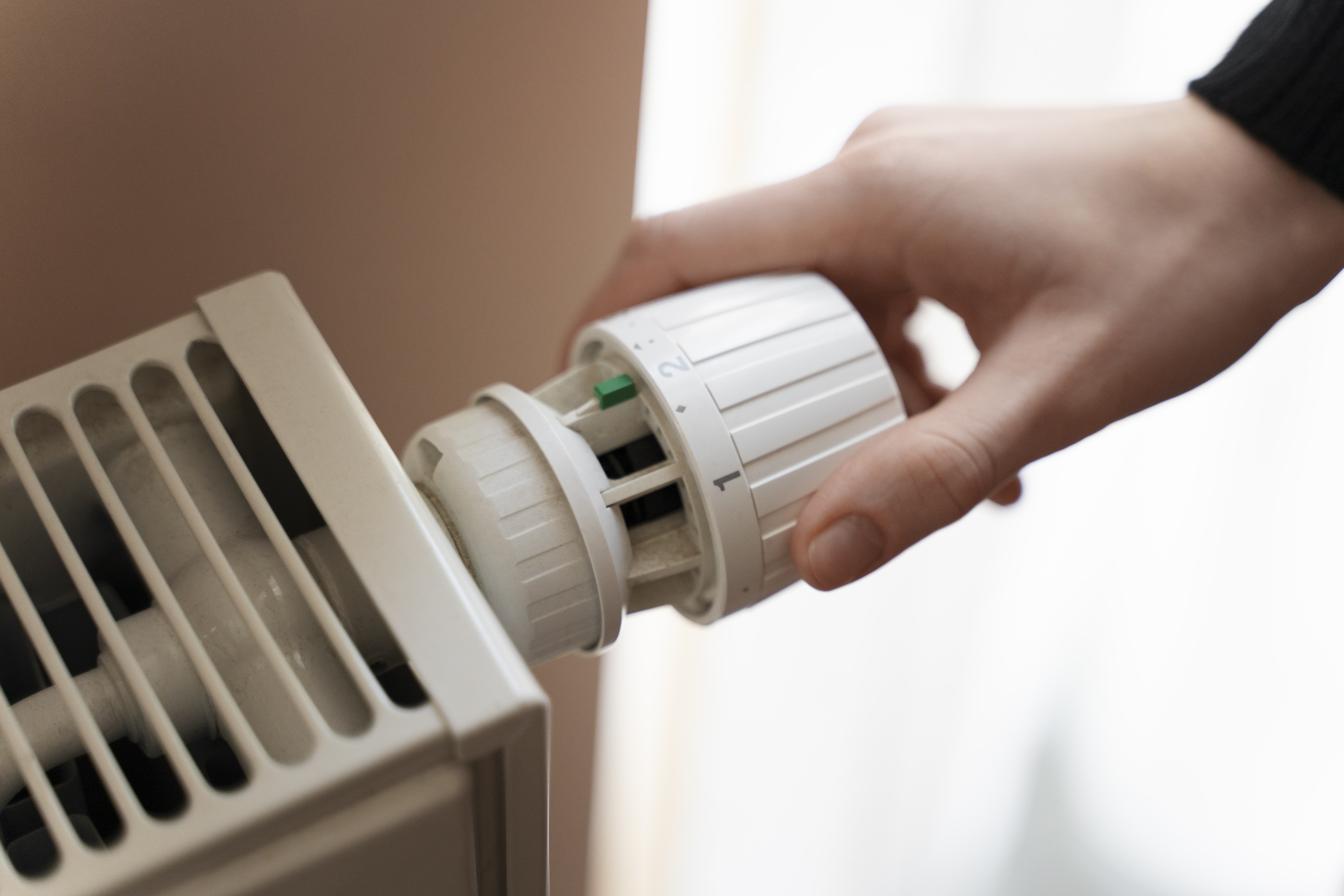
Thermostat Repair in South El Monte, CA
A reliable thermostat is the control center for your heating and cooling — especially in South El Monte where hot summer days and occasional temperature swings put extra demand on home HVAC systems. When a thermostat fails, your comfort and energy bills can suffer. This page explains common thermostat problems in South El Monte homes, how technicians diagnose and fix them, when replacement makes more sense than repair, typical turnaround times, and simple steps to reduce future issues.
Why thermostat repair matters for South El Monte homes
South El Monte sees warm summers, local heat pockets, and dust from nearby freeways and dry yards. Those factors make air conditioning essential and place additional strain on thermostats and sensors. A malfunctioning thermostat can cause:
- Inefficient cooling or heating cycles
- Short cycling that wears out HVAC components
- Rooms that never reach the set temperature
- Higher energy usage during peak summer demand
Prompt diagnostics and repair restore comfort and protect your HVAC investment.
Common thermostat issues in South El Monte
- No display or dead thermostat: Blank screen or unresponsive controls, often due to dead batteries, tripped breakers, or power wiring faults.
- Incorrect temperature readings: Thermostat shows a different temperature than the room; sensor drift or placement in direct sun, drafts, or near heat sources is common.
- Wiring faults: Loose, corroded, or chewed wiring causing intermittent operation or no control signals to the HVAC system.
- Short cycling or constant running: Thermostat is sending rapid on/off commands or never reaches setpoint, stressing the compressor.
- Smart thermostat connectivity problems: Wi-Fi drops, firmware glitches, or compatibility issues with older HVAC systems.
- Sticking relays or mechanical failures: Older mechanical or mercury thermostats can have worn contacts or switching mechanisms.
- Uncalibrated sensor or incorrect configuration: Wrong system type selected (heat pump vs. conventional), wrong stage settings for multi-stage systems.
Diagnostic procedures technicians use
Technicians follow a clear diagnostic sequence so you know what’s being checked and why:
- Visual and basic checks: Inspect thermostat for damage, check display, verify batteries, and confirm circuit breaker and furnace/air handler power.
- Verify HVAC response: Place thermostat into heat/cool call and observe whether the HVAC system responds — helps isolate thermostat vs. equipment fault.
- Wiring inspection: Check wire connections at the thermostat and the control board for corrosion, loose wires, or incorrect labeling.
- Voltage and continuity tests: Use a multimeter to confirm 24VAC power for low-voltage thermostats or proper line voltage for older systems.
- Sensor and placement evaluation: Measure actual room temperature vs. thermostat reading; check for sunlight, drafts, or blocked airflow affecting sensor accuracy.
- Software and configuration review (smart thermostats): Confirm device firmware, Wi-Fi connectivity, and system configuration (single-stage vs multi-stage, heat pump settings).
- Control board and relay checks: If thermostat signals are correct but HVAC does not respond, test relays and control board inputs for proper operation.
Technicians document findings and explain whether the issue is a simple fix, a wiring repair, or a replacement is advisable.
Repair vs replacement: what to expect
- Repair is usually recommended for:
- Dead batteries, loose wiring, or corroded terminals
- Software resets or firmware updates for smart thermostats
- Replacing worn relays or cleaning contacts on older mechanical thermostats
- Minor sensor recalibration or relocating the thermostat
- Replacement is often the better long-term choice when:
- The thermostat is older than 10–15 years or uses mercury/obsolete technology
- The home has been upgraded to a new HVAC system that requires a different control protocol (e.g., heat pump multi-stage compatibility)
- Wiring is extensively damaged or missing the required common (C) wire for smart thermostats
- You want improved energy management, smart scheduling, or remote control capabilities
When replacement is recommended, technicians will match the new thermostat to your system type (line-voltage vs low-voltage, single-stage vs multi-stage, heat pump vs conventional) and ensure proper wiring and startup configuration.
Typical turnaround times
- Battery replacement or display reset: 15–30 minutes
- Simple wiring reconnections or terminal cleaning: 30–60 minutes
- Sensor recalibration or relocation: 30–90 minutes depending on access
- Wiring repairs (including fish tape work through walls): 1–3 hours depending on complexity and access
- Full thermostat replacement and system configuration: 1–2 hours for standard installations; longer if new wiring or advanced integration is required
Turnaround can vary if older homes in South El Monte require access behind finished walls, if multi-zone systems are involved, or if additional HVAC repairs are discovered.
What to expect during a service visit
- Clear explanation of the diagnostic findings and whether the issue is repairable
- A description of the repair steps or the replacement plan, including compatibility checks
- Verification that the HVAC responds correctly after work and that temperature readings match room conditions
- Guidance on thermostat settings and any recommended firmware updates for smart devices
Tips to prevent future thermostat problems
- Change batteries annually: Even if the display seems fine, replace batteries on a schedule to avoid unexpected failures.
- Keep the thermostat out of direct sunlight and drafts: Install on interior walls away from windows, vents, and heat-generating appliances.
- Schedule annual HVAC maintenance: Clean filters and check airflow so thermostats aren’t compensating for system inefficiencies.
- Secure Wi-Fi and update firmware: For smart thermostats, keep network credentials private and install updates to prevent connectivity issues.
- Label thermostat wires: If you ever upgrade, labeled wires save time and reduce wiring mistakes.
- Check for pest or rodent damage: Wiring chewed in attics or crawl spaces is a common, preventable cause of intermittent faults.
- Use appropriate settings for South El Monte weather: Program cooling setpoints and schedules to match local peak heat times and reduce system strain.
Benefits of timely thermostat repair
Addressing thermostat issues quickly restores comfort, prevents unnecessary wear on HVAC equipment, and helps maintain energy efficiency — particularly important during South El Monte’s warm seasons when cooling demand peaks. Accurate temperature control also safeguards sensitive systems like heat pumps and prevents higher utility use from inefficient cycling.
Prompt diagnostics and informed decisions about repair versus replacement ensure your thermostat works reliably with your HVAC system and fits the needs of your South El Monte home.
Customer
Testimonials
Our customers consistently praise the exceptional service and professionalism of our team. They appreciate the honest advice, meticulous work, and the care taken to ensure their satisfaction.

.webp)
Service Areas
