

Thermostat Repair in Rolling Hills Estates, CA

This page covers thermostat repair services in Rolling Hills Estates, CA, including common issues (blank displays, inaccurate readings, short cycling, unresponsive commands, Wi-Fi connectivity), the diagnostic approach (visual and power checks, wiring and sensor verification, control signal testing, smart-thermostat diagnostics), and on-site troubleshooting with replacement parts (batteries, wiring, C-wire installation, transformers and control boards). It also describes post-repair calibration and testing (temperature comparison, call testing, cycle observation), expected response times, preventive maintenance to avoid repeat problems, and the overall benefits of timely repair and calibration for comfort and energy efficiency in local homes.
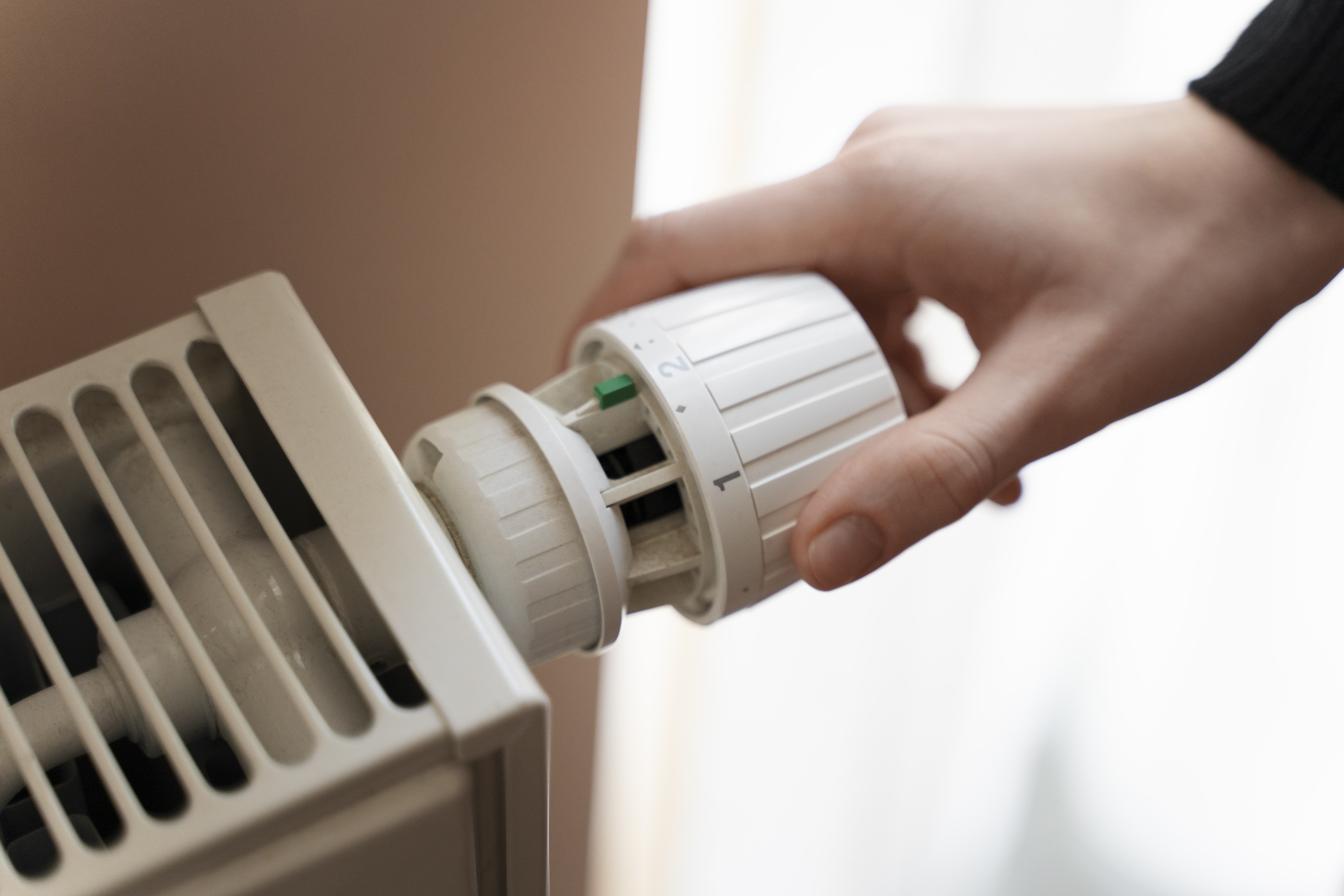
Thermostat Repair in Rolling Hills Estates, CA
A properly functioning thermostat is the control center for home comfort. In Rolling Hills Estates, CA, where coastal breezes, inland heat spikes, and microclimates across hills and valleys create variable temperature demands, a malfunctioning thermostat can mean uneven comfort, wasted energy, and unnecessary wear on your HVAC system. This page explains common thermostat problems in local homes, the diagnostic and on-site repair process, what to expect for response times, and practical maintenance steps to avoid repeat issues.
Common thermostat repair issues in Rolling Hills Estates
Homes in Rolling Hills Estates commonly experience these thermostat problems:
- No display or blank screen: Dead batteries, failed display modules, or loss of 24V power.
- Inaccurate temperature readings: Sensor drift, thermostat mounting in direct sun or near vents, or internal sensor failure.
- HVAC cycles too frequently or short cycles: Poor calibration, improper wiring, or a failed relay.
- System not responding to thermostat commands: Wiring or communication faults, failed transformer, or HVAC control board issues.
- Wi-Fi or smart thermostat connectivity problems: Weak home network signal or firmware incompatibilities.
- Intermittent operation: Loose terminal connections, corroded wiring, or environmental factors such as dust and humidity.
- Compatibility issues after an HVAC upgrade: Missing common wire (C-wire) or incorrect configuration for heat pump systems.
Diagnostic procedures — what a technician checks
A professional diagnostic approach isolates the cause quickly and avoids unnecessary replacements. Typical steps include:
- Visual and power check: Confirm display power, check batteries, and verify the 24V transformer at the furnace or air handler.
- Wiring inspection: Examine thermostat terminals, look for loose or corroded wires, verify correct wiring for the system type (conventional vs heat pump), and test for a proper C-wire.
- Sensor verification: Compare the thermostat reading to a calibrated thermometer near the return duct and at the thermostat to detect sensor errors or location issues.
- Control signal testing: Use a multimeter to check voltage and signal continuity when calling for heat, cool, or fan to determine if the thermostat or HVAC control board is at fault.
- Smart thermostat diagnostics: Check firmware, network strength, and cloud/bridge communication if applicable.
- System-level checks: Inspect furnace or outdoor unit to ensure it responds to thermostat commands and to rule out control board or relay failures.
All diagnostics are performed with safety in mind, including turning off breakers when required and using protective tools to test live circuits.
On-site troubleshooting and part replacement
Once the root cause is identified, common on-site repairs include:
- Battery replacement and display module fixes for basic digital thermostats.
- Tightening or replacing terminal screws and wiring; treating corroded ends and ensuring solid connections.
- Installing or converting a C-wire using an adapter or running a dedicated wire to support smart thermostats.
- Replacing failed thermostats with compatible digital or smart models and configuring settings to match your HVAC system (including heat pump modes and stage staging).
- Replacing low-voltage components such as transformers, relays, or control boards when the fault lies in the HVAC equipment.
- Sensor or thermostat recalibration and relocation if placement is causing inaccurate readings.
- Network troubleshooting and firmware updates for connected thermostats to restore reliable remote access.
Technicians prioritize repairs that restore functionality with the least disruption, then recommend long-term fixes when wiring or aging components are likely to fail again.
Calibration and testing after repair
Proper calibration ensures accurate temperature control and efficient HVAC operation. Standard testing includes:
- Temperature comparison: Place a calibrated thermometer at the thermostat and compare readings at multiple set points to confirm accuracy.
- Call testing: Run heat, cool, and fan commands to verify each terminal sends the correct signal and the HVAC responds correctly.
- Cycle observation: Monitor for appropriate cycle length to avoid short cycling which stresses equipment.
- Smart thermostat configuration: Confirm schedules, hold behaviors, and remote control function; verify firmware compatibility with the HVAC system.
- Final system check: Confirm stable operation over a short observation period and advise on any recommended follow-up for failing components.
Calibration is documented and settings are left optimized for local conditions and household usage patterns.
Expected response times for Rolling Hills Estates homes
Response times in Rolling Hills Estates are generally favorable because of the close-knit community layout and short travel distances across the Palos Verdes area. Typical expectations are:
- Same-day diagnostic visits when requested early in the day, especially during high-demand seasons like summer or winter.
- Next-business-day appointments for non-emergency issues that can wait short-term.
- Priority response for no-heat or no-cool emergencies during extreme weather windows, acknowledging local temperature swings that can affect comfort quickly.
Technicians usually bring common replacement parts for quick fixes, and parts that require ordering will be scheduled for rapid follow-up to minimize downtime.
Preventive maintenance to avoid repeat problems
A few straightforward preventive steps reduce thermostat failures and extend HVAC life:
- Annual HVAC tune-up including thermostat calibration as part of seasonal maintenance.
- Replace thermostat batteries yearly even if the display still works to avoid unexpected power loss.
- Keep thermostats out of direct sunlight, drafts, and away from heat-generating appliances to avoid false readings.
- Seal the thermostat opening in the wall to prevent drafts and dust which can affect sensors and wiring.
- Check Wi-Fi signal strength near smart thermostats and update firmware periodically.
- Inspect wiring during other home projects; painters and remodelers can accidentally damage thermostat wires.
- Consider professional upgrades if you have an older mechanical thermostat: modern digital or smart thermostats provide more accurate control and energy-saving scheduling, but may require a C-wire or adapter.
Benefits of timely thermostat repair and calibration
Prompt thermostat repair in Rolling Hills Estates homes restores consistent comfort across rooms, improves energy efficiency, and prevents unnecessary stress on HVAC equipment. Accurate temperature control reduces runtime and utility costs, helps maintain indoor air quality through proper ventilation cycles, and provides reliable temperature management during seasonal extremes. For older homes on the hills, ensuring proper wiring and calibration helps address microclimate variability and keeps zone-specific comfort stable.
Addressing thermostat issues early avoids cascading failures, helps preserve your HVAC system, and creates a more comfortable, energy-efficient home environment tailored to the specific climate patterns and home designs common in Rolling Hills Estates, CA.
Customer
Testimonials
Our customers consistently praise the exceptional service and professionalism of our team. They appreciate the honest advice, meticulous work, and the care taken to ensure their satisfaction.

.webp)
Service Areas
