

Thermostat Repair in Pasadena, CA

Pasadena thermostat repair guides homeowners through identifying common issues, from incorrect readings and unresponsive displays to short cycling and wiring faults. Technicians use a structured diagnostic process—interview symptoms, inspect mounting and power, verify connections, test sensors, and check firmware—to isolate faults before advising repair or replacement. Typical repairs include battery and display fixes, wiring re-termination, transformer or relay replacements, and sensor recalibration. The page also offers pre-service troubleshooting tips, expectations for visits, and maintenance steps to prolong thermostat life.
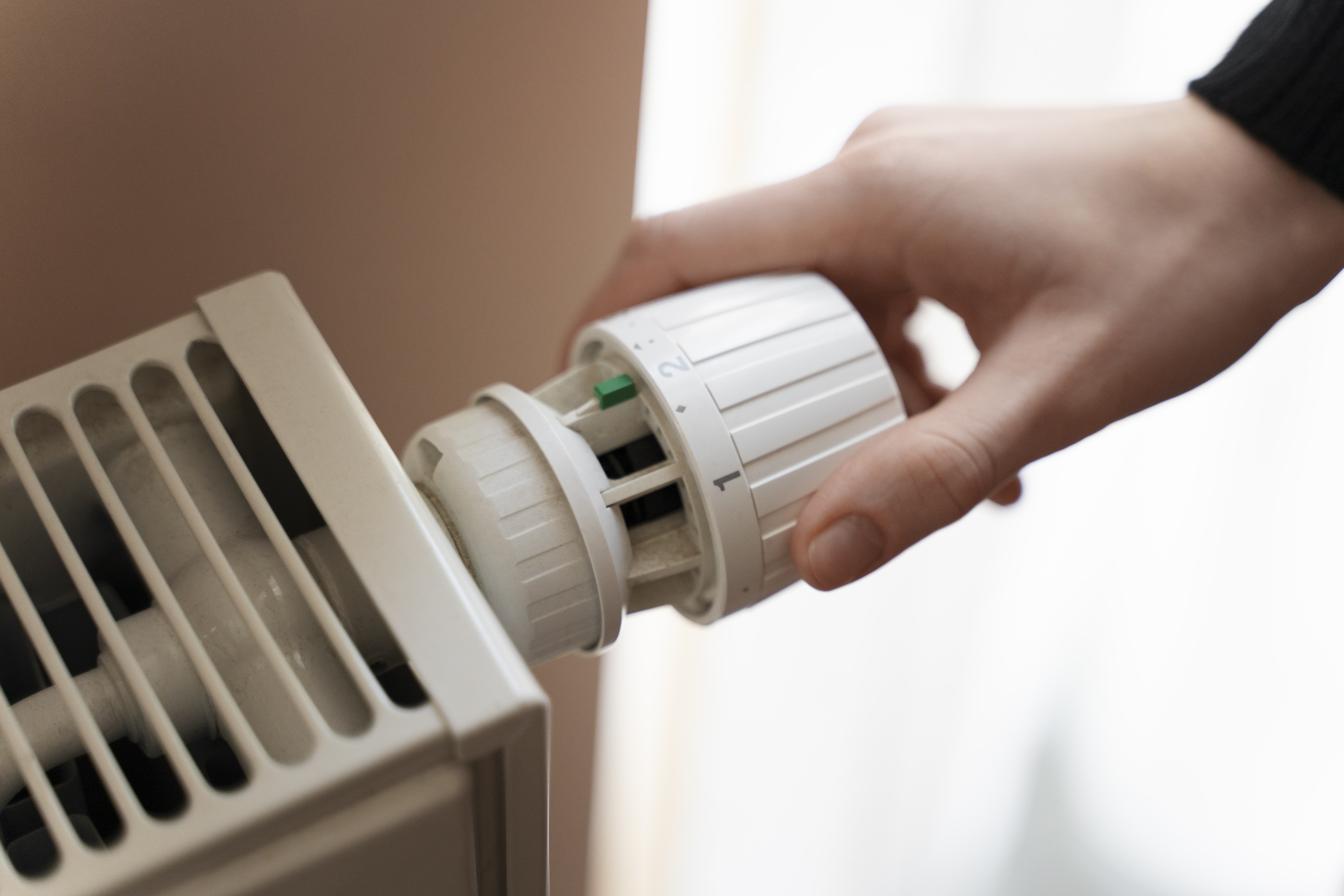
Thermostat Repair in Pasadena, CA
A properly working thermostat is the control center for home comfort. In Pasadena homes — where hot, sun-driven summers and mild winters create heavy cooling demand for months and where many older craftsman and historic houses have retrofitted HVAC systems — thermostat problems quickly become urgent. This page explains the most common thermostat issues in Pasadena, how technicians diagnose and repair them, what parts are typically replaced, practical troubleshooting you can try before a visit, and how to decide between repair and replacement.
Common thermostat problems in Pasadena homes
- Incorrect temperature readings: Thermostat shows the wrong temperature because of sensor failure, poor placement (in direct sun from large windows), or calibration drift. In Pasadena, sun exposure and attic heat can exaggerate this.
- Unresponsive controls or blank display: Dead batteries, tripped breakers, failed displays, or failed internal electronics.
- HVAC short cycling or running continuously: Faulty sensors, wiring errors, or miscalibration cause the system to turn on and off too frequently or to run without reaching setpoint.
- Wiring faults: Loose, corroded, chewed, or improperly connected wires from older installations or rodent activity. Historic homes often have legacy wiring that needs attention.
- Wi-Fi connectivity or smart thermostat issues: Configuration errors, weak home Wi-Fi signals, or firmware incompatibilities that prevent remote control or scheduling.
- Calibration and setpoint drift: Thermostat no longer matches actual room temperature due to age, sensor degradation, or environmental influences such as ceiling fans or heat-producing appliances.
- Intermittent operation: Intermittent faults commonly caused by failing relays, transformer problems, or wiring intermittency.
How technicians diagnose thermostat problems
Technicians follow a step-by-step diagnostic process to isolate thermostat faults from broader HVAC problems:
- Initial interview and symptom scan: Confirm what you see (display errors, system behavior, timing of issues) and note environmental factors common in Pasadena homes such as sun exposure and attic heat.
- Visual inspection: Check thermostat location, mounting, and signs of water, dust, pests, or heat sources near the device.
- Power verification: Confirm the thermostat has proper power — batteries, transformer voltage at the control board, and an intact breaker.
- Wiring and continuity checks: Test each conductor for continuity, correct labeling (R, C, W, Y, G), and secure connections at both thermostat and air handler/furnace.
- Sensor and calibration tests: Compare thermostat reading to an independent thermometer and test internal sensor function.
- System control checks: Command heat/cool/fan cycles from the thermostat while monitoring voltage signals and equipment response at the air handler or condenser.
- Smart/firmware evaluation: For networked thermostats, check firmware versions, Wi-Fi signal strength, and server connectivity issues.
- Component testing: Test relays, transformers, and terminal blocks for proper operation if symptoms suggest internal thermostat or control board failure.
Typical repair options and parts commonly replaced
Repairs focus on restoring accurate control and reliable communication between thermostat and HVAC equipment. Common repairs include:
- Battery replacement and display repairs: Quick fixes for blank or dim displays.
- Wiring repair or re-termination: Replace corroded connectors, repair chewed wires, and re-label conductors.
- Transformer or relay replacement: When low or no control voltage is detected.
- Sensor replacement or recalibration: Replace failed thermistors or recalibrate digital thermostats.
- Terminal block or sub-base replacement: When mechanical wear prevents secure connections.
- Circuit board or module replacement: For smart thermostats, replacing the control module or the entire thermostat may be necessary if electronics fail.
- Thermostat upgrade and compatibility work: Converting wiring for modern smart thermostats (including adding a C-wire where needed) or installing a compatible interface for heat pump systems.
Troubleshooting tips to try before a service visit
Try these checks to potentially resolve simple issues:
- Replace thermostat batteries and confirm the display comes on.
- Check your main breaker and the HVAC system switch near the furnace/air handler.
- Ensure the thermostat is set to the correct mode (heat, cool, auto) and that fan settings are correct.
- Remove the thermostat cover and visually inspect for loose or disconnected wires. Do not tug on wires; simply check for obvious problems.
- Move a portable thermometer next to the thermostat to verify the displayed temperature.
- Power-cycle the thermostat by turning off the breaker for 30 seconds and restoring power.
- For smart thermostats, confirm Wi-Fi network name and password have not changed and that the router is functioning.If these steps do not restore normal operation, the issue likely requires professional diagnostic tools and HVAC system access.
When to repair versus when to replace
- Repair is viable when the issue is localized: dead batteries, loose wiring, sensor replacement, or a single failed component. Repairs preserve your existing thermostat and are cost-effective when compatibility with your HVAC system is confirmed.
- Consider replacement when electronics fail repeatedly, calibration cannot be restored, recurrent intermittent faults persist, or the thermostat lacks features you need (such as reliable scheduling, smart home integration, or energy reporting). In Pasadena, replacing older mercury or mechanical thermostats is often recommended for safety and improved efficiency.
- Replacement is also sensible if your HVAC system has been recently upgraded and the old thermostat is incompatible or cannot power modern smart controls without additional wiring (for example, a missing common C-wire).
What to expect from a service visit and response considerations
In Pasadena, many service calls are scheduled around peak cooling season, so availability can vary. Expect technicians to:
- Arrive with tools to test voltage, continuity, and sensor function and with common replacement parts like batteries, terminal blocks, sensors, and replacement wall plates.
- Provide a clear description of the diagnosed fault and outline repair options, including compatibility issues and potential benefits of an upgraded thermostat.
- Suggest placement or environmental changes if the thermostat is prone to temperature bias from sun or nearby equipment.Technicians should document findings and leave the thermostat functioning with tested setpoints before departing.
Maintenance advice and longer-term benefits
Regular thermostat checks reduce unexpected failures and improve comfort control:
- Replace batteries annually and clean dust from the thermostat interior.
- Avoid locating thermostats near direct sunlight, drafty doors, appliances, or heat-producing electronics.
- Keep firmware updated on smart thermostats and monitor Wi-Fi strength in the area of the device.
- Consider a professional check when HVAC equipment is serviced so thermostat operation can be verified simultaneously.A healthy thermostat improves HVAC efficiency, reduces energy waste, and helps maintain consistent indoor comfort through Pasadena’s warm, sun-driven climate.
This overview helps Pasadena residents understand common thermostat problems, realistic diagnostic steps, and practical repair vs replacement decisions so you can make an informed choice when addressing thermostat issues in your home.
Customer
Testimonials
Our customers consistently praise the exceptional service and professionalism of our team. They appreciate the honest advice, meticulous work, and the care taken to ensure their satisfaction.

.webp)
Service Areas
