

Thermostat Repair in Alhambra, CA

Thermostat repair services in Alhambra, CA address common issues such as blank displays, incorrect readings, wiring faults, power loss, smart-thermostat connectivity, and erratic cycling. A systematic technician diagnostic approach identifies root causes through visual inspection, power and battery tests, wiring checks, sensor calibration, control signal testing, and smart-device verification. Typical repairs include battery replacement, wiring tightening, sensor recalibration, transformer or control board fixes, and software updates, with replacement considered when costs exceed benefits. Maintenance tips help extend thermostat life and efficiency.
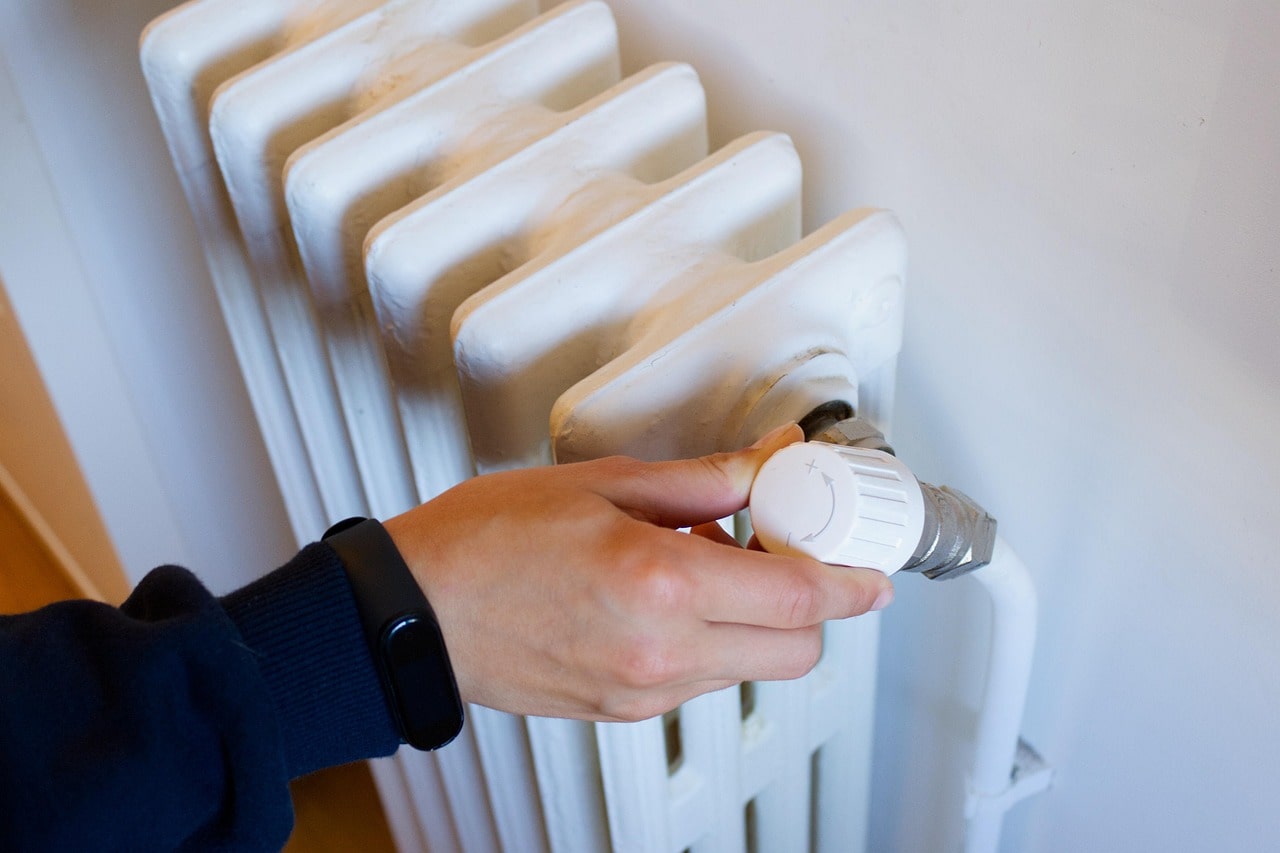
Thermostat Repair in Alhambra, CA
Keeping your thermostat functioning correctly is one of the most cost-effective ways to maintain comfort and control energy use in Alhambra, CA. With warm summers, intermittent heat waves, and occasional cool spells, thermostats in local homes endure heavy use and exposure to dust, humidity shifts, and aging wiring. Whether the display is blank, the temperature reading is wrong, or the unit won’t communicate with your HVAC system, timely thermostat repair restores comfort, reduces energy waste, and prevents unnecessary wear on heating and cooling equipment.
Common thermostat issues in Alhambra homes
Homeowners scheduling thermostat repair in Alhambra commonly report these problems:
- Blank or flickering display: Often caused by dead batteries, loose wiring, or failing display modules.
- Incorrect temperature readings: Sensor drift, poor calibration, or placement near heat sources (windows, sunlight) can cause inaccurate readings.
- Wiring faults: Corroded or frayed wires, mislabeled terminals, or outdated 24V wiring on older systems create intermittent operation or total failure.
- No power to thermostat: Tripped breakers, blown fuses, or a failed HVAC control board can make the thermostat unresponsive.
- Smart thermostat connectivity problems: Wi-Fi loss, firmware errors, or cloud-account sync issues block remote control and scheduling.
- Short cycling or unreliable system control: Faulty thermostat relays or incorrect configuration can cause the HVAC system to turn on and off too frequently.
- Erratic programming and scheduling failures: Software glitches or incorrect settings lead to comfort gaps and unexpected energy spikes.
These issues appear more frequently in Alhambra because many homes combine older wiring with modern smart thermostats and experience heavy air conditioning cycles during summer months.
How technicians diagnose thermostat problems
A systematic diagnostic approach isolates the root cause quickly and reduces unnecessary parts replacement:
- Initial visual check and history
- Inspect the thermostat model and wiring bundle, note visible damage, and review homeowner-reported symptoms and timing.
- Power and battery tests
- Verify 24V power from the furnace or air handler, check the transformer and control board, and test/replace batteries in battery-powered units.
- Wiring and connection inspection
- Tighten terminals, look for corrosion, confirm color-coded wire function, and test continuity where needed.
- Sensor and calibration checks
- Compare thermostat readings against a calibrated thermometer and test internal sensors for drift or failure.
- Control signal testing
- Simulate thermostat commands to the HVAC equipment to observe relay operation, verify proper cycling, and detect short circuits.
- Network and software verification (for smart thermostats)
- Confirm firmware is current, check Wi-Fi signal strength, and verify account settings without changing user credentials.
This diagnostic process ensures repairs are targeted — whether the fix is a simple battery replacement or a more involved wiring repair.
Typical repairs, calibrations, and replacements
Below are common repair actions performed during thermostat service:
- Battery replacement and contact cleaning: Fast fixes for power issues and intermittent display behavior.
- Tightening and replacing wires or terminals: Restores reliable connection between the thermostat and HVAC control board.
- Sensor replacement or recalibration: Replaces faulty internal sensors or recalibrates the thermostat to match accurate temperature readings.
- Repairing or replacing the transformer or control board: Required when the thermostat is not receiving consistent 24V power.
- Software updates and reconnects for smart thermostats: Restores cloud connectivity and scheduling features without replacing hardware.
- Full thermostat replacement and reconfiguration: Recommended when repair costs exceed reliability benefits, or when upgrading to a programmable or smart thermostat for improved efficiency.
Cost vs replacement guidance
Deciding whether to repair or replace depends on the age of the thermostat, type, and cost of the required parts and labor:
- If repair costs approach or exceed 50% of the price of a reliable replacement, replacement is usually the more cost-effective and long-term solution.
- For older, non-programmable or mercury thermostats, replacement with a modern programmable or smart thermostat provides better comfort control and energy savings in Alhambra’s climate.
- For smart thermostats that have intermittent connectivity or software issues, software fixes and network troubleshooting are often less expensive than hardware replacement.
- For simple issues like batteries or loose wires, repair is almost always the right call.
When weighing options, consider potential energy savings from features like adaptive scheduling, geofencing, or remote control that come with newer models — these can shorten the payback period in homes with significant cooling loads.
Typical service guarantees and reliability expectations
Professional thermostat repair services commonly include workmanship and parts assurances to protect homeowners:
- Workmanship guarantee: A limited warranty period on labor that covers correct installation and verified functionality after service.
- Parts warranty: Manufacturer warranties on replacement components such as sensors, control boards, or the thermostat itself.
- Follow-up diagnostics: A timeframe during which recurring issues are re-evaluated without separate diagnostic fees, depending on the service policy.
These guarantees provide confidence that repairs were done correctly and that any premature failures will be addressed under the warranty terms.
What to expect from the appointment process
A standard thermostat repair appointment generally follows these steps without requiring homeowner technical involvement:
- A brief intake to document symptoms and confirm system type.
- On-site arrival and a visual inspection of the thermostat and HVAC equipment.
- Diagnostic testing to identify power, wiring, sensor, or software issues.
- An explanation of the findings with repair options and an estimate for parts and labor.
- Completion of agreed repairs, calibration, and functional testing.
- Verification that the thermostat controls the HVAC system properly in both heating and cooling cycles.
Appointments typically include verification of thermostat compatibility with the HVAC system, and adjustments to programming or Wi-Fi setup for smart models as part of the service.
Maintenance tips to extend thermostat life
Simple homeowner actions can prevent many common thermostat problems:
- Replace batteries annually and during seasonal HVAC transitions.
- Keep thermostats free of dust and avoid mounting near direct sunlight, windows, or heat-generating appliances.
- Verify that the thermostat is level and securely fastened to its mounting plate to ensure stable sensor readings.
- Periodically check Wi-Fi strength and router placement if using a smart thermostat.
- Schedule routine HVAC maintenance — a well-maintained air handler and clean filters reduce temperature swings that can stress thermostat sensors.
Timely attention to thermostat issues improves comfort and reduces energy costs, particularly during Alhambra’s warm months when air conditioning use is highest.
Final considerations
Thermostat repair in Alhambra, CA restores accurate temperature control, improves comfort, and helps reduce energy waste. Whether the issue is a simple battery replacement, a wiring fault, or a decision about upgrading to a programmable or smart thermostat, a clear diagnostic process and thoughtful cost vs replacement analysis protect your investment. Regular maintenance and prompt repair of thermostat issues prevent larger HVAC problems and keep your home operating efficiently throughout the year.
Customer
Testimonials
Our customers consistently praise the exceptional service and professionalism of our team. They appreciate the honest advice, meticulous work, and the care taken to ensure their satisfaction.

.webp)
Service Areas
