

Thermostat Installation in Pico Rivera, CA

This page explains professional thermostat installation in Pico Rivera, CA, detailing how upgrading or installing a thermostat enhances comfort and reduces energy costs. It outlines common thermostat types (programmable, smart Wi-Fi, low-voltage and line-voltage, heat pump-compatible) and emphasizes pre-installation compatibility checks, proper wiring, calibration, testing, and user training. It covers warranty and support, scheduling and pricing options, and typical issues resolved by expert installation, such as incorrect wiring, absent C-wires, and inaccurate temperature readings. The guidance prioritizes safety, accuracy, and integration with smart home systems.
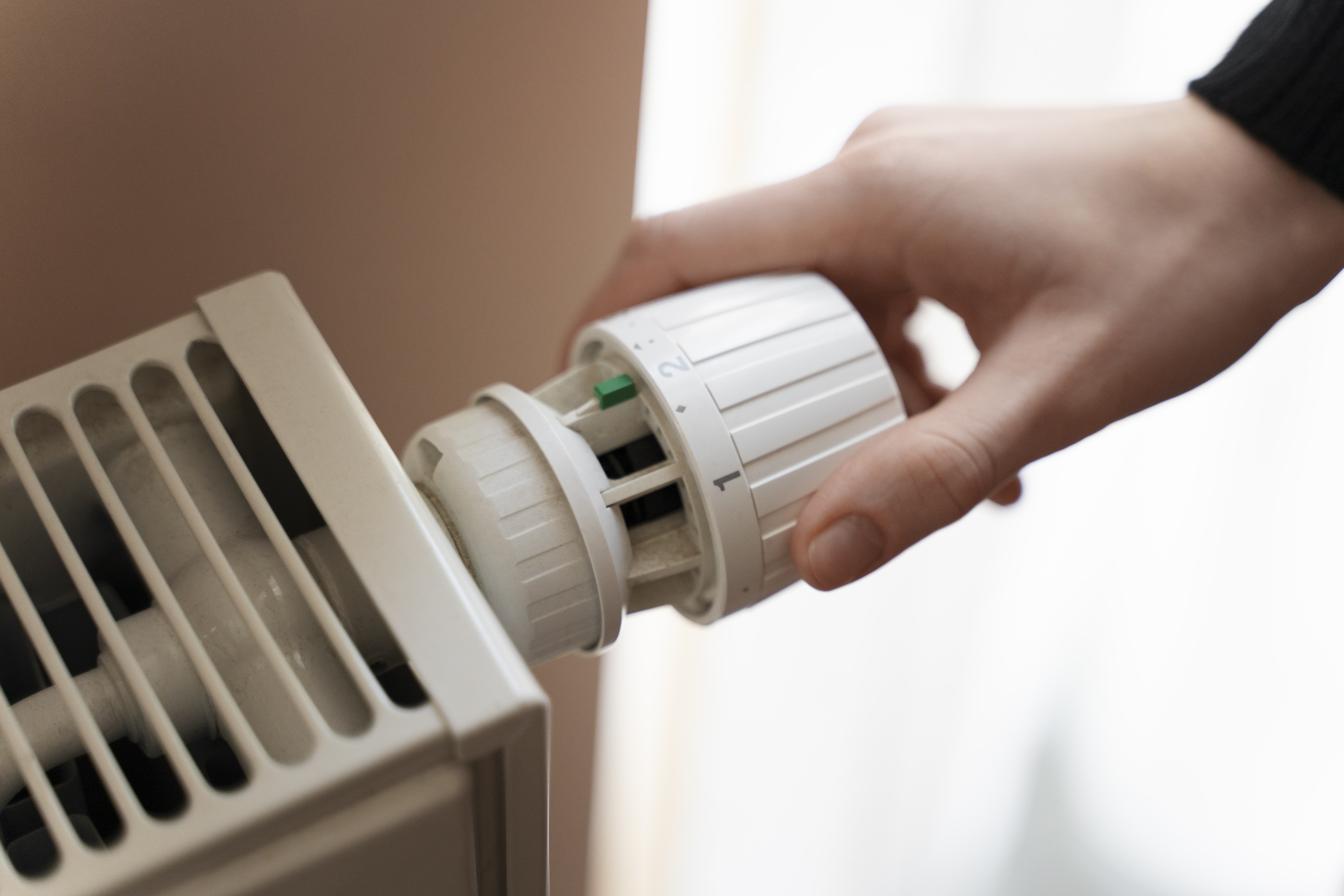
Thermostat Installation in Pico Rivera, CA
Upgrading or installing a thermostat is one of the most effective ways to improve comfort and reduce energy costs in Pico Rivera homes. With hot, dry summers and mild winters, proper thermostat configuration helps keep air conditioning efficient during peak months and maintains comfortable heating on cooler nights. This page explains the types of thermostats available, the pre-installation compatibility check, professional installation steps, wiring and calibration details, testing and user training, warranty and support considerations, and common scheduling and pricing models specific to Pico Rivera residents.
Why a professional thermostat installation matters in Pico Rivera
- Many homes in Pico Rivera were built decades ago and may have legacy wiring or line-voltage systems that require special handling.
- Incorrect wiring, missing common wire (C-wire), or improper configuration can cause short cycling, inaccurate temperature control, and higher energy bills.
- Professional installation ensures the thermostat is matched to your HVAC equipment, calibrated correctly, and integrated with any smart-home systems or Wi-Fi networks.
Common thermostat types you may consider
- Programmable thermostats: Set daily or weekly schedules to lower energy use when the home is unoccupied. Ideal for Pico Rivera households that want predictable temperature control and energy savings.
- Smart Wi-Fi thermostats: Learn usage patterns, enable remote control via an app, and integrate with voice assistants. These require a reliable Wi-Fi connection and usually a C-wire or a compatible power adapter.
- Low-voltage thermostats (24V): Standard for most forced-air systems, furnaces, and central air conditioners. Wiring is low-voltage and handled by HVAC technicians.
- Line-voltage thermostats (120V/240V): Used for baseboard electric heat and some older systems common in older Southern California homes. These require different thermostats and often an electrician for safe installation.
- Heat pump-compatible thermostats: Needed if your home has a heat pump; they support mode switching and auxiliary heat controls.
Pre-installation compatibility check
Before installing, a professional will:
- Inspect the existing thermostat and HVAC equipment to determine system type (furnace, heat pump, package unit, baseboard).
- Identify wiring: verify whether you have a C-wire, count wires, and label each conductor.
- Check voltage: confirm whether controls are low-voltage (24V) or line-voltage (120/240V).
- Confirm multi-stage or dual-fuel equipment compatibility and note any zoning controls.
- Assess Wi-Fi reliability for smart thermostats and evaluate whether a power extender or adapter is needed.
Professional installation steps
- Power down the HVAC system at the breaker to ensure safety.
- Remove the old thermostat and carefully label wires. Photographs may be taken for reference.
- Mount the new thermostat base; for older houses, the installer will repair or cover any wall imperfections left by the previous unit.
- Connect wires according to the thermostat and equipment wiring diagrams. If a C-wire is missing, options include using an existing unused conductor, installing a common wire adapter, or running a new conductor from the control board.
- For line-voltage systems, ensure the proper thermostat model is used and confirm safe connection, sometimes involving an electrician.
- Restore power and configure the thermostat settings for your specific HVAC system and local climate preferences.
Wiring and calibration process
- Verify voltage to each terminal and confirm secure terminations to prevent intermittent faults.
- Program the thermostat for system type: single-stage, multi-stage, heat pump, or electric resistance heat.
- Calibrate temperature offset if the thermostat sensor reads differently than a secondary temperature reference. Most modern units have an electronic offset adjustment.
- Set system parameters such as compressor minimum runtime, fan control behavior, and staging thresholds to prevent rapid cycling and protect equipment.
- For smart thermostats, perform firmware updates and pair the device with home Wi-Fi and user accounts as appropriate.
Testing and user training
- Run the system in heating and cooling modes to confirm correct stage activation, fan control, and proper cycling.
- Demonstrate how to change modes, override schedules, and set temperature holds. Show how to create and edit programs or scenes on programmable models.
- For smart thermostats, walk through the mobile app: remote temperature control, scheduling, energy reports, and notification settings.
- Provide basic troubleshooting tips such as checking breakers, battery replacement procedures, and how to reset the thermostat safely.
- Leave a short checklist of settings and recommended seasonal adjustments to maximize comfort and savings.
Warranty and support information
- Manufacturer warranties typically cover defects in materials and workmanship for a set period; check the thermostat documentation for length and terms.
- Installer workmanship warranties often cover installation-related issues for a defined timeframe. This can include wiring errors or configuration faults discovered after installation.
- Ask what post-install support is available for firmware updates, Wi-Fi reconfiguration, or troubleshooting smart thermostat integrations. Knowing the scope of support helps Pico Rivera homeowners avoid service gaps after installation.
Scheduling and pricing options you can expect
- Scheduling windows generally include weekday appointments and, in some cases, limited weekend availability to accommodate busy household schedules. Same-day or emergency service may be available for systems that fail during extreme heat.
- Common pricing models: flat-rate installation for standard low-voltage replacements, additional charges for running new C-wires, line-voltage conversions, or work on multi-stage or zoned systems.
- Upgrades such as smart thermostats may involve added time for Wi-Fi setup and calibration. Complex jobs that require electrical work or new wiring will typically incur higher labor and parts costs.
- Permit requirements are uncommon for a simple thermostat swap, but electrical modifications for line-voltage systems or major control-panel work may require compliance with local codes.
Common issues and how proper installation prevents them
- Thermostat not powering on: often due to missing C-wire or dead batteries. Professional installation addresses power needs and recommends solutions.
- Inaccurate temperature readings: caused by poor placement (in direct sun or near vents) or sensor drift. Proper placement and calibration reduce errors.
- Short cycling or frequent compressor starts: usually a configuration or wiring issue. Proper staging and minimum runtime settings prevent short cycling.
- Smart thermostat connectivity problems: can stem from weak Wi-Fi or incorrect setup. Assessing home network strength and proper installation reduces connectivity issues.
Maintenance tips and long-term benefits
- Replace thermostat batteries yearly if applicable and dust the unit gently to keep sensors clear.
- Review schedules seasonally to optimize for summer cooling and winter heating in Pico Rivera’s climate.
- Keep firmware up to date on smart models to benefit from performance and security improvements.
- Professional installation and correct configuration improve HVAC efficiency, extend equipment life, and increase comfort reliability—especially important during Pico Rivera heat spells when air conditioning demand is high.
A correctly selected and professionally installed thermostat delivers precise comfort control and cost savings. Understanding the types, wiring requirements, and calibration steps will help ensure a smooth installation that aligns with your home’s HVAC system and the local climate realities in Pico Rivera, CA.
Customer
Testimonials
Our customers consistently praise the exceptional service and professionalism of our team. They appreciate the honest advice, meticulous work, and the care taken to ensure their satisfaction.

.webp)
Service Areas
