

Thermostat Installation in Beverly Hills, CA

Comprehensive guide to thermostat installation in Beverly Hills, explaining how professional workers assess compatibility, select suitable thermostats, and execute a multi-step installation. It covers programmable, smart, WiFi-enabled, zoning, and line-voltage models, plus common issues and required pre-install checks. The process includes pre-installation assessment, power isolation, removal of old units, mounting, wiring, configuration, integration with smart home systems, and post-install testing. Zoning considerations, warranty terms, and maintenance tips help keep comfort, energy efficiency, and reliability for large Beverly Hills homes.
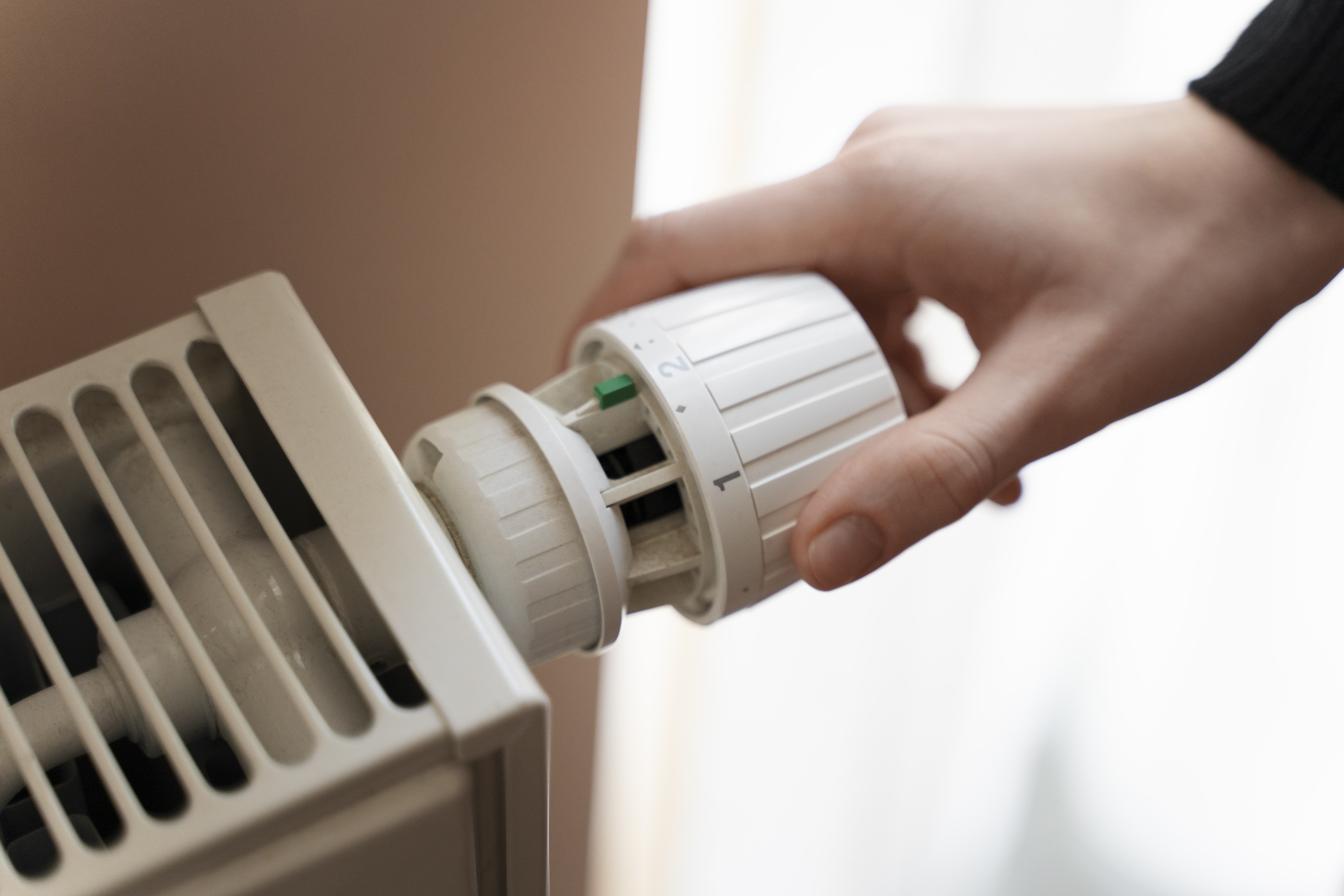
Thermostat Installation in Beverly Hills, CA
Upgrading or replacing a thermostat in Beverly Hills, CA is more than a convenience upgrade. For homes here—ranging from historic Spanish-style estates to modern smart residences—proper thermostat installation improves comfort, reduces excessive cooling costs during warm Pacific summers, and integrates with multi-zone HVAC systems common in larger properties. This page explains the types of thermostats available, how professionals assess compatibility with existing HVAC setups, the step-by-step installation process, zoning and multi-stage considerations, post-installation testing and warranty practices, and recommended models for different needs in Beverly Hills homes.
Why professional thermostat installation matters in Beverly Hills homes
Beverly Hills houses often feature complex HVAC configurations: multi-level floor plans, separate zones for guest houses or home theaters, and legacy systems in older properties. A professionally installed thermostat ensures correct wiring, safe mounting, accurate configuration, and optimized integration with zoning controls or smart home platforms. Proper installation prevents common issues like short cycling, incorrect temperature readings, and insulation of zones that leads to uneven comfort.
Common thermostat types and when to choose each
- Programmable thermostats: Good for homeowners who want scheduled temperature changes for regular routines. Ideal for energy savings in predictable occupancy patterns.
- Smart thermostats: Offer remote control, learning algorithms, and integration with voice assistants. Best for tech-forward Beverly Hills homes seeking convenience and long-term efficiency.
- Wi Fi-enabled thermostats: Provide remote access and alerts without advanced learning features. Useful when integrating with existing smart home ecosystems.
- Zoning thermostats and zone controllers: Necessary for multi-zone systems to control different areas independently—common in larger residences and properties with separate guest or service units.
- Line-voltage and millivolt thermostats: Required for older or speciality heating systems. These need expert compatibility checks before replacement.
Common thermostat installation issues in Beverly Hills
- Incompatible wiring with older HVAC systems, particularly in vintage homes
- Missing C wire (common) for powering smart thermostats
- Improper mounting causing poor ambient sensing (direct sunlight, nearby vents)
- Misconfigured equipment settings for multi-stage compressors or heat pumps
- Poor zoning coordination causing simultaneous heating and cooling
Compatibility checks before installation
A thorough pre-installation inspection confirms compatibility and anticipates upgrades. Key checks include:
- Identify system type: single-stage vs multi-stage heat pump, heat/cool air handler, packaged systems, or hydronic setups.
- Verify wiring: confirm presence and function of R, C, W, Y, G, O/B, and any proprietary control wires.
- Inspect control voltage: determine if system uses 24V control or alternative voltages such as line-voltage.
- Confirm zoning hardware: locate dampers, zone boards, and ensure thermostat signals match controller inputs.
- Evaluate placement: avoid exterior-facing walls, direct sun, or air registers to ensure accurate temperature sensing.
Professional installation process (step-by-step)
- Pre-installation assessment: Review wiring, take photos of existing thermostat wiring and equipment, and map zones if present.
- Power isolation: Switch off HVAC power at breaker or system switch to protect equipment and installer safety.
- Remove existing thermostat: Label and document each wire, capture terminal positions, and preserve old unit if needed for reference.
- Mounting: Install a level backplate or new wallplate; use wall anchors as needed to secure on stucco, plaster, or drywall commonly seen in Beverly Hills homes.
- Wiring: Connect labeled wires to corresponding thermostat terminals. If a C wire is missing, evaluate options: run a new conductor, use an adapter (power extender kit), or use a thermostat model that does not require a C wire.
- Configuration: Set equipment type (heat pump vs conventional), number of stages, fan control, and zoning assignments. Calibrate features like deadband and differential to prevent short cycling.
- Integration: Pair Wi Fi or smart features, connect to local network, and integrate with home automation platforms if requested.
- Mounting cover and final checks: Secure the thermostat, restore power, and verify basic functions.
- Post-install testing: Run heating and cooling cycles, verify temperature response in each stage, test zone damper responses, and confirm remote connectivity if applicable.
Zoning and multi-stage system considerations
Large Beverly Hills properties frequently use zoning to tailor comfort across levels and wings. Proper zoning requires:
- Correctly sized and placed thermostats per zone
- Coordinated control logic so only appropriate equipment stages operate for each demand
- Communication between zone controller and central equipment to avoid conflicting commands
- Attention to ventilation and return air paths—closing dampers can affect airflow and equipment strain
Multi-stage compressors and variable-speed air handlers require precise thermostat configuration. Incorrect settings can reduce efficiency and lifespan; professionals will set stage lockouts, minimum run times, and fan behavior to match manufacturer recommendations.
Warranty, testing, and post-installation verification
A proper installation includes documented warranty terms for the thermostat and confirmation that the HVAC system operates as intended. Typical post-installation verification covers:
- Cycle testing for all heating and cooling stages
- Verifying temperature accuracy (sensor calibration)
- Ensuring proper communication with zoning equipment
- Confirming Wi Fi connectivity and mobile app functionality
- Demonstrating basic user controls and scheduling to homeowners
Providing a written checklist of tests performed and settings used helps maintain records for future service and warranty claims.
Recommended thermostat models for Beverly Hills homes
- For smart home integration and energy savings: models with learning algorithms, geofencing, and multi-zone support are ideal. Choose units with robust APIs or native compatibility with popular home automation platforms.
- For multi-zone and multi-stage systems: select thermostats that explicitly support multi-stage heat/cool and have configurable stage settings and fan control.
- For older homes with limited wiring: thermostats that support a power extender kit or have flexible power options avoid rewiring.
- For simplicity and reliability: high-quality programmable thermostats with clear interfaces and durable construction can be preferable in guest houses or service areas.
Examples of model categories to consider include premium smart thermostats for main living areas, zone-compatible controllers for multi-zone setups, and compact programmable units for secondary spaces.
Benefits and maintenance tips for Beverly Hills residents
Proper thermostat installation improves comfort consistency, reduces energy waste during warm periods, and protects HVAC equipment from unnecessary wear. In Beverly Hills, where cooling demand and diverse property types vary, correctly installed thermostats enhance both comfort and property value.
Maintenance tips:
- Replace batteries annually if applicable
- Keep thermostat location free from dust, direct sunlight, and obstructions
- Review schedules seasonally to match occupancy patterns
- Re-run system tests after major renovations or HVAC changes
- If smart features disconnect, verify Wi Fi network settings and power continuity
Accurate thermostat installation tailored to local home styles and HVAC configurations prevents common issues and ensures your system runs efficiently and reliably.
Customer
Testimonials
Our customers consistently praise the exceptional service and professionalism of our team. They appreciate the honest advice, meticulous work, and the care taken to ensure their satisfaction.

.webp)
Service Areas
