

Smart Thermostat Repair in Sherman Oaks, CA

Smart Thermostat Repair in Sherman Oaks, CA ensures reliable performance and energy efficiency, even during hot weather. The service addresses common issues such as connectivity errors, firmware glitches, sensor drift, wiring faults, and integration failures. Technicians determine whether a problem can be resolved remotely or requires an on-site visit through a structured diagnostic process that includes reviewing symptoms, performing remote assessments, and testing wiring, C-wires, and sensor placement. Typical repairs include firmware reinstalls, sensor calibration or replacement, and wiring or module corrections. Regular maintenance recommendations are also provided to keep your smart thermostat operating efficiently and dependably throughout the year.
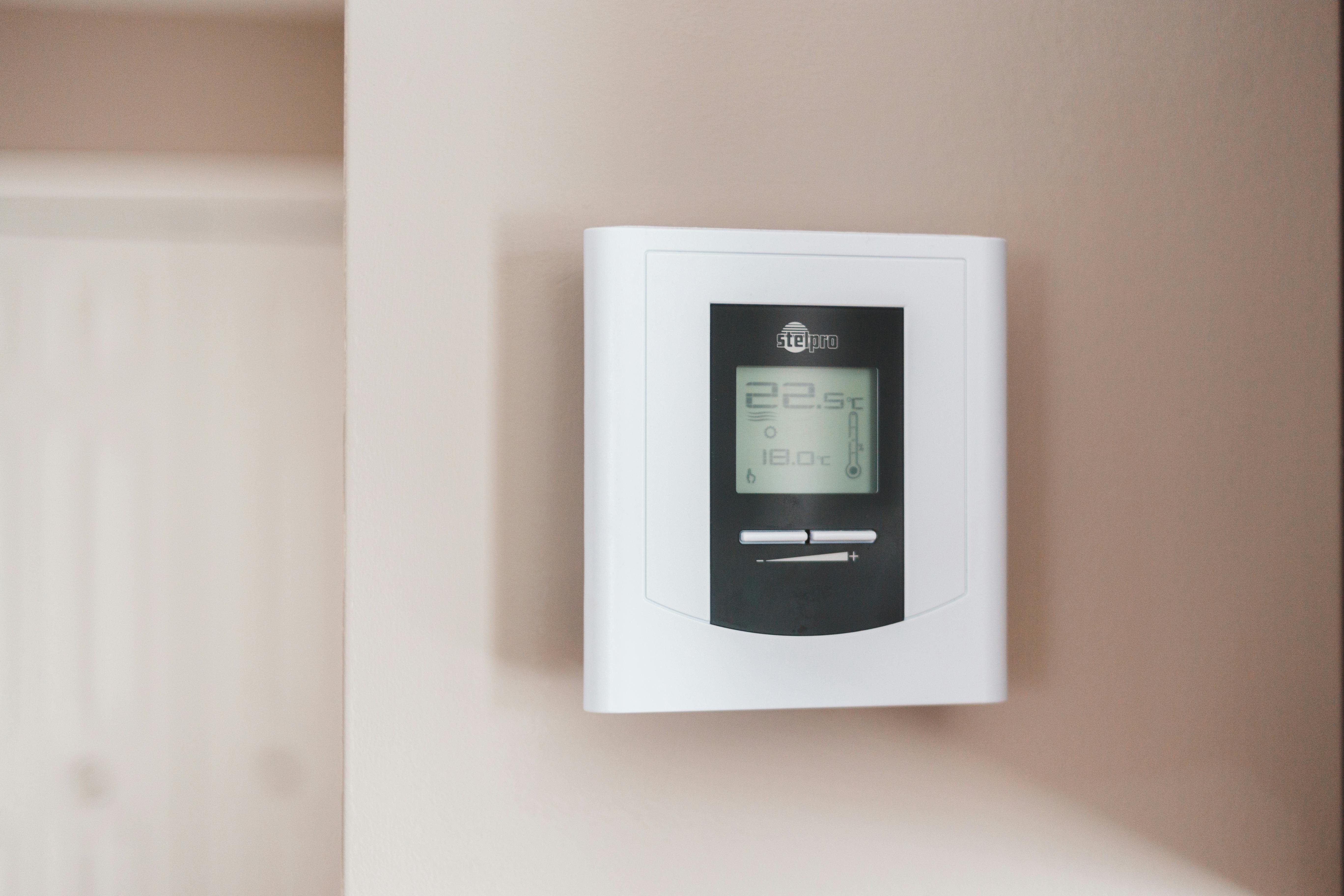
Smart Thermostat Repair in Sherman Oaks, CA
Smart thermostats are central to comfortable, efficient homes in Sherman Oaks, CA. With hot San Fernando Valley summers, reliance on cooling systems is high, and a malfunctioning smart thermostat can quickly mean higher energy bills, uneven temperatures, or loss of remote control. This page explains common smart thermostat problems in Sherman Oaks, how technicians diagnose and repair them, what can be solved remotely versus what requires an on-site visit, and straightforward maintenance tips to keep your smart control reliable year-round.
Why smart thermostat reliability matters in Sherman Oaks, CA
Sherman Oaks experiences extended warm periods, significant diurnal temperature swings, and localized Wi-Fi interference in some neighborhoods. That makes reliable thermostat operation and accurate temperature sensing especially important for:
- Preventing HVAC overuse and reducing energy bills during long cooling runs
- Maintaining comfortable indoor temperatures when outdoor heat peaks
- Preserving system lifespan by avoiding short cycling or excessive runtimes
Understanding the typical faults and repair paths helps homeowners decide when professional help is needed and what to expect from service.
Common smart thermostat issues in Sherman Oaks, CA
Homeowners in Sherman Oaks commonly report these problems:
- Connectivity and app issues: thermostat disconnects from Wi-Fi or the mobile app, losing remote control or scheduling access
- Firmware and software errors: failed updates, incomplete installs, or bugs that change behavior
- Sensor errors and inconsistent temperature readings: room-to-room discrepancies or the thermostat not matching the actual room temperature
- Power and wiring faults: weak batteries, tripped HVAC transformer, or incorrect wiring on older systems
- Module or relay failures: internal components that control HVAC signals wear out or fail
- Integration and compatibility problems: issues with voice assistants, smart home hubs, or multi-zone systems
- Calibration drift: thermostat behavior deviates over time and requires recalibration to match system output
Many of these show as simple symptoms — blank display, app showing offline, furnace or AC not responding to commands, or constantly running equipment.
Diagnostic process: what a technician checks
A focused diagnostic approach isolates the root cause quickly:
- Initial interview: gather details on symptoms, recent changes (ISP/router swaps, home renovations, HVAC work), and error messages shown in the app.
- Remote checks (when possible): assess firmware version, diagnostics logs, and app connectivity to determine if an update or configuration fix will resolve the issue.
- On-site inspection: verify wiring at the control board and thermostat, measure voltage at the C-wire and transformer, inspect batteries, and observe HVAC response to thermostat commands.
- Sensor and placement evaluation: compare the thermostat reading with a handheld thermometer and check for placement issues such as direct sunlight, HVAC register influence, or nearby heat sources.
- Network analysis: test Wi-Fi signal strength and interference, inspect router settings that can block device traffic (guest networks, 2.4 GHz versus 5 GHz issues), and check for IP conflicts on complex networks.
Technicians use the diagnostic outcome to recommend a targeted repair plan rather than replace parts unnecessarily.
Remote support versus on-site service
Many problems can be resolved remotely if the thermostat remains powered and accessible online:
- Remote fixes: firmware rollbacks, configuration resets, schedule corrections, cloud profile repairs, and account re-linking with smart assistants
- When remote support is usually sufficient: app authentication issues, cloud service outages, or firmware updates stuck but device still online
On-site service is required when:
- The thermostat is unresponsive or shows no power
- There are wiring issues, missing or inadequate C-wire, or a failed HVAC transformer
- Internal component replacement is needed (sensors, relays, control modules)
- Multi-zone or complex HVAC systems require coordination and live testing
- Calibration or physical relocation is necessary due to heat sources or direct sun exposure
Knowing which path applies saves time and keeps repair costs focused on the real issue.
Typical repairs and replacements explained
Repairs are focused on restoring reliable control and accurate sensing:
- Firmware and software reinstalls: ensure the thermostat runs the latest stable release and reapply correct settings for HVAC type
- Sensor replacement or recalibration: replace internal or external sensors and adjust offset values if readings are consistently off
- Module or relay replacement: swap failed components that stop the thermostat from signaling the HVAC equipment
- Wiring corrections and C-wire solutions: install a dedicated C-wire, add a power extender kit, or repair loose connections to stabilize power
- Network fixes: reconfigure Wi-Fi, relocate router or install an access point for better coverage, and ensure the thermostat is on a compatible network band
- Integration troubleshooting: reset and reauthorize connections to Alexa, Google Home, or third-party hubs for consistent control
Each repair is verified with a full system test to confirm the thermostat communicates reliably with the HVAC equipment and remote services.
Calibration and system communication checks
Accurate control depends on both correct calibration and clear communication between thermostat and HVAC:
- Calibration steps include comparing readings at multiple times of day, applying temperature offset if needed, and confirming HVAC run times match expected outputs
- Communication checks validate that control signals (heat/cool/fan) are transmitted and that the HVAC responds without delay or repeated cycling
- For multi-stage systems, technicians confirm each stage engages properly and that staging logic in the thermostat is configured to match the system
Proper calibration reduces wear on equipment and keeps comfort consistent across daily temperature swings common in Sherman Oaks.
Smart home integration and security considerations
Smart thermostats in connected homes must be configured securely:
- Use separate, strong passwords and enable two-factor authentication on linked accounts where available
- Keep router firmware and thermostat firmware current to patch known vulnerabilities
- For homes with many smart devices, segmenting the network or using a guest SSID for less-trusted devices reduces interference and security risk
- Confirm that voice assistant permissions are limited to necessary functions to avoid accidental changes
Security and network health are often the overlooked reasons for intermittent control problems in dense suburban areas.
Maintenance tips to keep smart control reliable in Sherman Oaks
Simple, periodic checks prevent most issues:
- Check thermostat batteries annually and replace as needed
- Review and install firmware updates during off-peak hours
- Move or shade thermostats away from direct sunlight and heat-emitting appliances
- Keep HVAC air filters clean to prevent short cycling that can be misattributed to the thermostat
- Test Wi-Fi signal at the thermostat location and consider an extender if coverage is weak
- Seasonally verify scheduling and temperature setbacks to ensure efficient operation during summer and mild winter periods
These steps help reduce emergency repairs and maintain the energy-saving benefits of smart thermostats.
Bottom line
Smart thermostat repair in Sherman Oaks, CA focuses on restoring accurate sensing, stable power and wiring, reliable network connectivity, and smooth integration with your HVAC system and smart home. With local climate demands and home network variables, timely diagnosis and the right balance of remote fixes and on-site repairs keep your home comfortable and efficient. Regular maintenance and secure configuration prevent most interruptions and keep your smart control working when you need it most.
Customer
Testimonials
Our customers consistently praise the exceptional service and professionalism of our team. They appreciate the honest advice, meticulous work, and the care taken to ensure their satisfaction.

.webp)
Service Areas
