

Smart Thermostat Repair in Rancho Palos Verdes, CA

Smart Thermostat Repair in Rancho Palos Verdes, CA ensures reliable comfort and energy efficiency when communication or performance issues arise. The coastal climate and salty air can impact wiring and electronic components over time, making timely, precise repair essential for maintaining HVAC performance. The service addresses common problems such as connectivity loss, sensor errors, and power or wiring faults, using both remote and on-site diagnostics for accuracy. Technicians provide clear repair options, realistic timelines, and guidance on warranty coverage and replacement decisions to help homeowners restore consistent comfort and long-term system reliability.
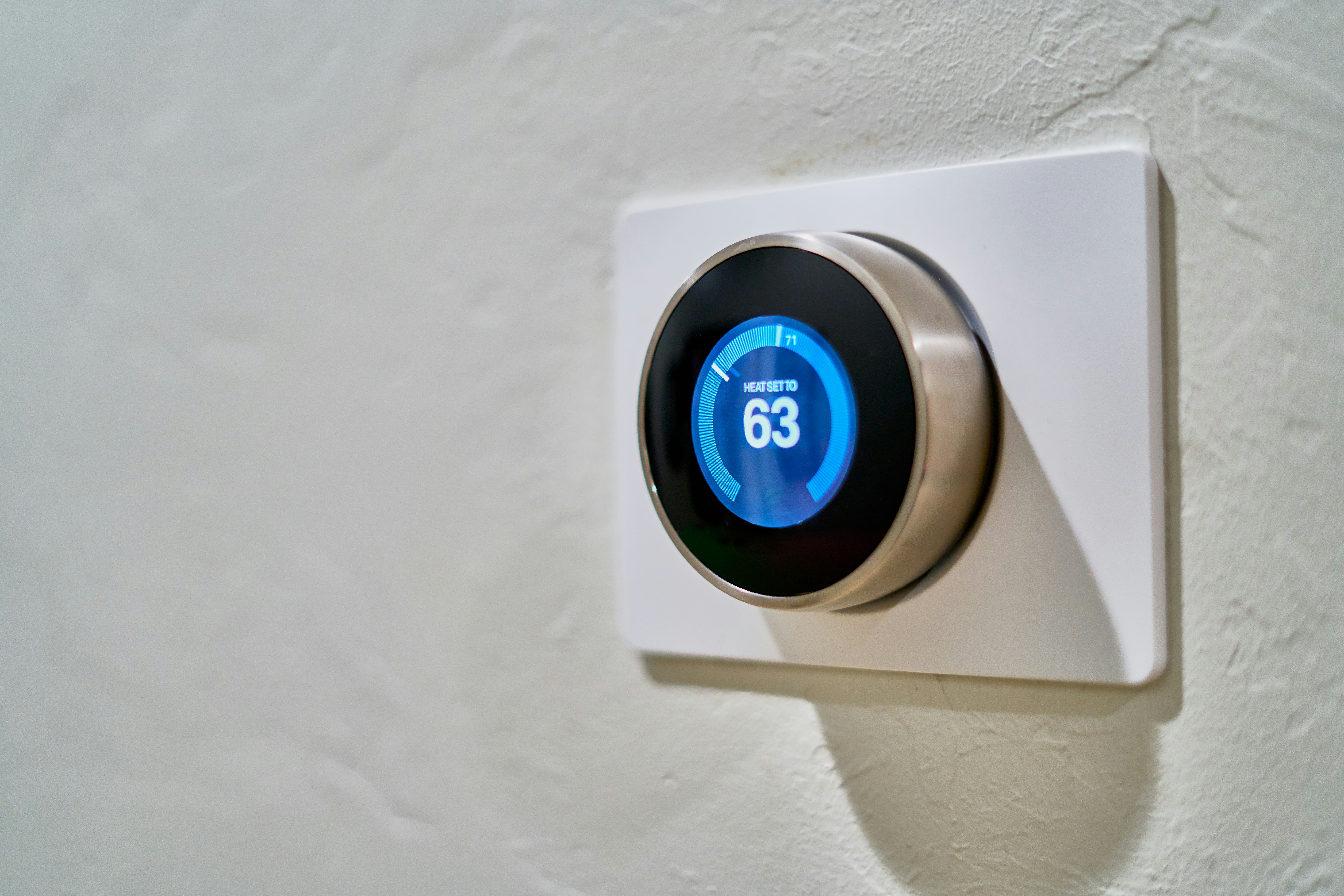
Smart Thermostat Repair in Rancho Palos Verdes, CA
Smart thermostats offer comfort and energy savings, but when they stop communicating with your HVAC or behave inconsistently they quickly become a source of frustration. In Rancho Palos Verdes homes, where mild coastal climate and salty sea air can affect wiring and electronics over time, fast, accurate smart thermostat repair preserves comfort and keeps your heating and cooling system running efficiently. This page explains common problems, how technicians diagnose them (including remote diagnostics), repair options, expected timelines, and practical guidance on warranties and replacement decisions.
Common smart thermostat issues in Rancho Palos Verdes
Homeowners typically call for repairs when the thermostat is failing to control the system reliably. Common symptoms include:
- Connectivity problems: Wi Fi drops, device offline in manufacturer app, or thermostat cannot reach cloud services.
- Firmware and software errors: Failed updates, boot loops, or features that stop working after a release.
- Sensor malfunctions: Incorrect room temperature readings, stuck sensors, or humidity sensor errors.
- Relay and control problems: Thermostat commands not activating the HVAC, short cycling, or fan running continuously.
- Power and battery issues: Rapid battery drain, thermostat rebooting, or issues related to absence of a C wire.
- Integration breakdowns: Lost connections to Google Home, Amazon Alexa, Apple HomeKit, or third party hubs and automation routines.
- Environmental effects: Corrosion or degraded wiring from coastal humidity and salt air, or thermostat damage from direct sunlight or locations with poor airflow.
How smart thermostat problems are diagnosed
Diagnosis balances remote troubleshooting with hands-on inspection to minimize disruption and target the root cause.
- Remote diagnostics: Many smart thermostats provide cloud logs and device status. Technicians can often check online status, firmware version, error codes, and recent activity from a distance. Remote checks typically take 15 to 45 minutes depending on account access and log availability.
- Onsite inspection: If remote checks are inconclusive, a technician will inspect the thermostat and HVAC interface. Key checks include:
- Verifying power at the thermostat with a meter and testing for a reliable C wire or power adapter.
- Inspecting wiring and terminal cleanliness for corrosion or loose connections.
- Testing relay outputs and verifying the thermostat is sending proper control signals to the furnace, air handler, or heat pump.
- Evaluating sensor readings and performing calibration or replacement as needed.
- Reproducing firmware problems and attempting safe rollbacks or reinstallation.
- Integration and network checks: Technicians will assess your home Wi Fi, router settings, and any firewall or mesh network issues that can block device-cloud communication. They will also reauthorize platform integrations if tokens have expired.
Typical timeline for diagnosis and repair planning:
- Remote diagnosis and initial fix attempt: same day, usually within an hour.
- Onsite inspection and basic repair (wiring, batteries, reconfiguration): often within 24 to 48 hours.
- More complex repairs that require replacement parts, relay modules, or HVAC interface work: several days while parts are sourced.
Repair and troubleshooting solutions explained
Repairs are targeted to the specific cause uncovered during diagnosis. Common solutions include:
- Restoring connectivity and cloud access: Reconfiguring Wi Fi, adjusting router/mesh settings, ensuring the thermostat has an up to date firmware, and reestablishing cloud account links. For persistent network problems, technicians may recommend network changes or relocate the thermostat to improve signal.
- Firmware management: Applying official updates, rolling back to a stable version when an update causes issues, or performing a factory reset and controlled reinstallation while preserving schedules and preferences when possible.
- Sensor repair or replacement: Calibrating internal sensors or replacing the sensor module when readings are out of specification. For multi-room systems, balancing and verifying remote sensor placement is part of the process.
- Power and battery fixes: Installing or repairing a C wire, adding a power extender kit if compatible, or replacing batteries and testing power stability. Proper power diagnostics prevent repeated reboots and update failures.
- Relay and HVAC interface repairs: Repairing or replacing faulty relays, cleaning terminal blocks, or installing interface modules that make the thermostat compatible with older or more complex HVAC systems.
- Integration restoration: Reauthenticating accounts, renewing API permissions, and re-linking the thermostat to voice assistants or smart home hubs. Technicians can migrate automations and confirm routines work after reconnection.
- Replacement and migration: When damage is severe or the thermostat is repeatedly failing, technicians will recommend an appropriate replacement model and transfer schedules and settings as much as possible.
Warranty, replacement guidance, and when to replace
Checking warranty status is an early step. Manufacturer warranties often cover defects for a limited period and may require proof of purchase. Home warranties or HVAC service agreements can sometimes cover parts or labor.
Deciding between repair and replacement depends on:
- Age of the thermostat and frequency of failures. Repeated issues on older units often justify replacement.
- Extent of physical damage or corrosion to wiring and terminals. Extensive corrosion may indicate broader electrical work is required.
- Compatibility needs. Upgrading to a newer thermostat can improve integration with modern smart home platforms and provide better energy management features.
Technicians will review warranty options and explain whether a repair extends useful life or a replacement is more cost effective and future proof.
Benefits of timely repair and routine care in Rancho Palos Verdes
Prompt repair preserves comfort, prevents unnecessary HVAC cycling, and helps maintain energy efficiency in homes where temperature control is still important despite mild coastal conditions. Addressing electrical or corrosion issues early prevents larger electrical problems and improves reliability of smart home automations.
Maintenance tips to reduce future problems
- Keep thermostat firmware current and check app notifications for updates.
- Inspect wiring periodically for corrosion or loose connections, especially in coastal environments.
- Replace batteries on schedule and verify the presence of a stable C wire when installing a smart thermostat.
- Secure a reliable home Wi Fi setup and minimize network changes that can disrupt device connectivity.
- Avoid placing the thermostat in direct sunlight or behind obstructions that affect sensor readings.
- Schedule periodic HVAC and thermostat checkups so small issues are found before they cause failure.
Smart thermostat problems are often fixable without full replacement, and many issues can be resolved quickly with remote diagnosis followed by targeted onsite work. In Rancho Palos Verdes, paying attention to wiring condition and network stability will help keep your smart thermostat reliable and maintain the comfort and efficiency benefits you expect.
Customer
Testimonials
Our customers consistently praise the exceptional service and professionalism of our team. They appreciate the honest advice, meticulous work, and the care taken to ensure their satisfaction.

.webp)
Service Areas
