

Ventilation in Rancho Palos Verdes, CA

Rancho Palos Verdes ventilation services focus on improving indoor air quality and comfort in coastal environments. The guide explains regional factors such as marine moisture, salt air, wildfire smoke, and tightly built homes that necessitate balanced ERV/HRV systems, proper ductwork, and targeted filtration. Services include diagnostics, equipment selection, installation, and commissioning, plus system balancing and maintenance. By addressing moisture, odors, and pollutant ingress, the program helps meet code requirements, reduce energy waste, and maintain healthy indoor environments year-round.
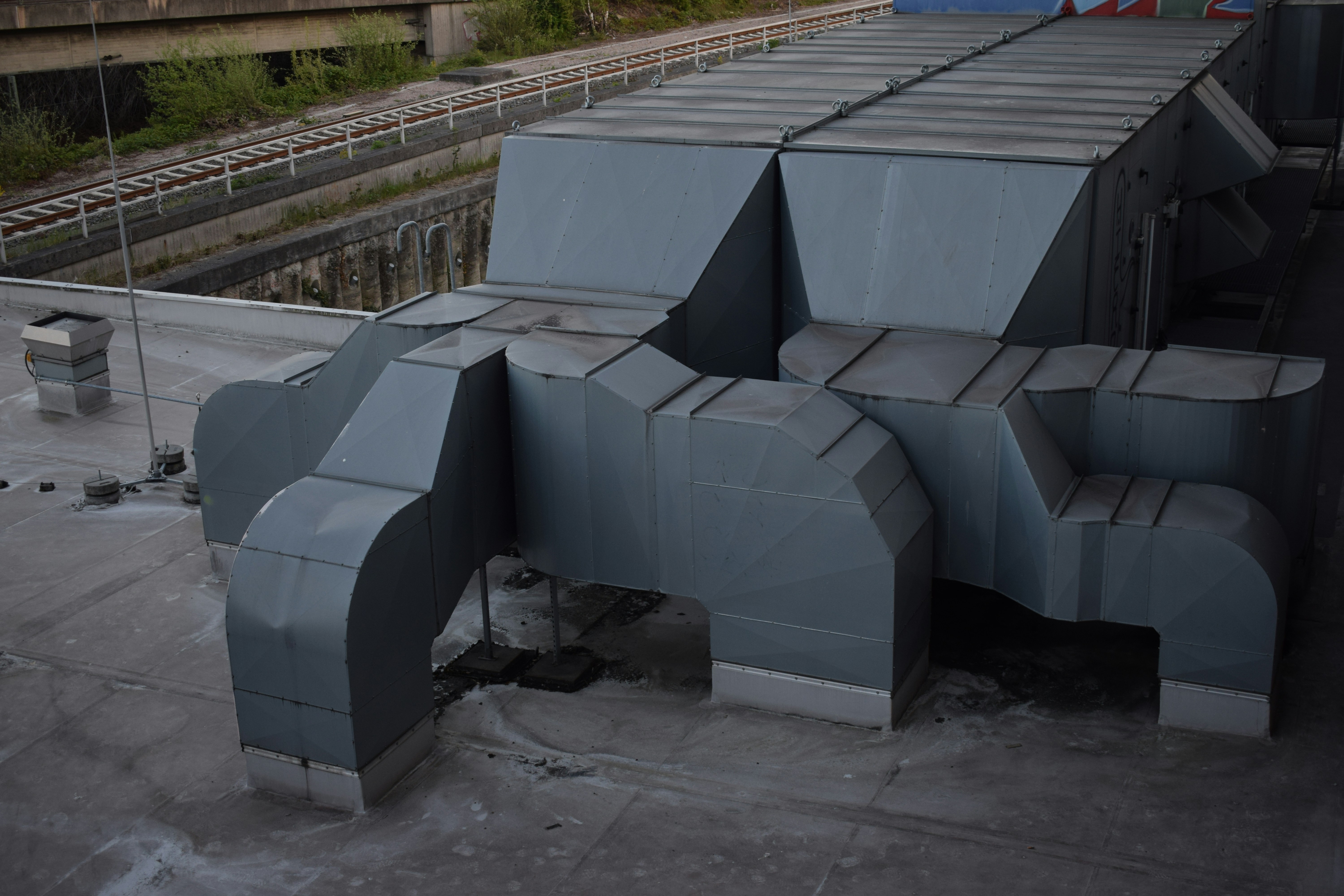
Ventilation in Rancho Palos Verdes, CA
Proper ventilation is essential for healthy, comfortable homes and commercial spaces in Rancho Palos Verdes, CA. Coastal conditions, marine layer moisture, and seasonal wildfire smoke can contribute to indoor air quality problems, odors, and excess humidity. Whether you need whole-home ventilation, an ERV/HRV upgrade, supply or exhaust fan installation, or a ductwork assessment and balance, an informed ventilation strategy improves comfort, reduces moisture-related damage, and helps buildings meet energy and code requirements.
Why ventilation matters in Rancho Palos Verdes
Rancho Palos Verdes sits on a coastal bluff with a mild Mediterranean climate and frequent ocean influence. Local factors that affect ventilation needs include:
- Persistent marine layer and morning fog that can raise indoor moisture and increase mold risk in poorly ventilated spaces.
- Salt-laden air that accelerates corrosion of unprotected mechanical components, making materials and installation quality important.
- Occasional wildfire smoke and regional pollution that make filtration and controlled fresh air exchange crucial for maintaining indoor air quality.
- Modern, tightly built homes that trap indoor pollutants without balanced ventilation systems.
Addressing these regional influences with the right ventilation approach prevents odors, reduces humidity problems, and maintains healthier indoor air year round.
Common ventilation issues in Rancho Palos Verdes homes and businesses
Most properties seeking ventilation services report one or more of the following:
- Stale air, persistent household odors, or lingering cooking and bathroom smells.
- Condensation on windows, foggy attics, or damp basements indicating elevated indoor humidity.
- Uneven airflow and temperature differences between rooms due to unbalanced systems or leaky ducts.
- Excess dust, pollen, or smoke infiltration during regional wildfire events.
- Old or undersized exhaust fans, poor bathroom/kitchen ventilation, or no whole-house ventilation strategy.
Recognizing these symptoms helps prioritize targeted solutions such as localized exhaust, whole-home systems, filtration upgrades, or ductwork interventions.
Ventilation services and solutions offered
Services typically include diagnostic assessment, equipment selection, installation, and system balancing. Common solutions are:
- Whole-home ventilation systems
- Energy Recovery Ventilators (ERVs) to exchange fresh air while transferring moisture and heat between airstreams.
- Heat Recovery Ventilators (HRVs) for climates where heat transfer is primary.
- Balanced fresh air systems to maintain indoor pressure and reduce pollutant ingress.
- Supply and exhaust fans
- Bathroom and kitchen exhaust upgrades to remove moisture and odors at the source.
- Attic and whole-building exhaust options to reduce heat and condensation buildup.
- Ductwork assessment and upgrades
- Sealing, insulating, and rerouting ducts to prevent leakage, pressure imbalances, and energy loss.
- Duct cleaning and repair to remove accumulated dust and biological growth.
- Moisture and odor control strategies
- Source control, targeted exhaust ventilation, dehumidification, and filtration to address mold risk and persistent odors.
- System balancing and commissioning
- Airflow measurement and adjustment to ensure designed ventilation rates are met for each occupied space.
Diagnostic and installation process
A practical, transparent process ensures systems meet performance goals and local requirements:
- Initial assessment
- Review of building layout, occupancy patterns, existing HVAC and ductwork, moisture or odor complaints, and any past remediation.
- Visual inspection for visible duct leaks, insulation gaps, and corrosion due to salt air exposure.
- Performance testing
- Measurements such as airflow readings, pressure differentials, and humidity profiles.
- Indoor air quality screening for particulates or known irritants when needed.
- System design
- Selection of ERV/HRV capacity or fan size based on home or building volume and occupancy.
- Duct layout adjustments and specification of corrosion-resistant materials suitable for coastal exposure.
- Installation and commissioning
- Professional installation of equipment, sealing and insulating ducts, and placing intakes away from contaminants.
- System balancing and post-install testing to verify ventilation rates, pressure, and expected energy performance.
Expected indoor air quality improvements
Properly designed and balanced ventilation delivers measurable benefits:
- Reduced indoor humidity and condensation, lowering mold and mildew risk.
- Quicker removal of cooking, bathroom, and other household odors.
- Lower concentrations of particulates, smoke, and outdoor pollutants with filtration and controlled ventilation.
- More consistent indoor temperatures and improved comfort from balanced airflow.
- Reduced reliance on open windows for fresh air, helping prevent salt and pollen infiltration.
Improvements are most noticeable in tightly sealed homes and in buildings previously experiencing moisture or odor issues.
Code compliance and energy efficiency considerations
Ventilation upgrades must comply with applicable building codes and energy standards. Key points:
- Systems should meet required air exchange rates per occupancy and building use.
- ERV/HRV systems can reduce heating and cooling loads by recovering thermal energy, improving overall efficiency.
- Proper duct sealing and insulation lowers energy waste, especially important in coastal homes where HVAC systems work to offset marine humidity.
- Eligible energy-efficiency incentives and rebates in California may help offset costs for high-efficiency ventilation or heat recovery equipment. Availability depends on program requirements and project specifics.
Maintenance and long-term performance
Maintaining ventilation systems is essential for sustained IAQ and efficiency:
- Replace or clean filters and inspect heat exchange cores in ERV/HRV units per manufacturer intervals.
- Check and clean exhaust fans and vents, especially kitchen and bathroom fans, to preserve airflow.
- Inspect ductwork and seals annually for corrosion, disconnections, or damage from moisture.
- Monitor indoor humidity and address persistent sources of moisture like uncontrolled condensation, plumbing leaks, or poor insulation.
Routine service prolongs equipment life in the coastal environment and preserves expected air quality benefits.
What to prepare for an evaluation
When arranging a ventilation evaluation, having the following information speeds the process and improves recommendations:
- Property type and approximate square footage.
- Age of home or commercial building and any recent renovations.
- Description of specific issues such as odors, condensation, or smoke infiltration.
- Existing HVAC and ventilation equipment details if available.
- Typical occupancy patterns and rooms of highest concern.
Providing this information allows a targeted assessment and helps identify the most cost effective, energy efficient ventilation strategy suited to Rancho Palos Verdes conditions.
Well-planned ventilation tailored to local climate and building characteristics delivers healthier indoor air, lower moisture risk, and improved comfort for Rancho Palos Verdes homes and businesses.
Customer
Testimonials
Our customers consistently praise the exceptional service and professionalism of our team. They appreciate the honest advice, meticulous work, and the care taken to ensure their satisfaction.

.webp)
Service Areas
