

Smart Thermostat Installation in Westlake Village, CA

Smart thermostat installation in Westlake Village, CA guides homeowners through a professional, safe, and efficient setup that maximizes energy savings and comfort. The page covers compatibility considerations, common barriers such as C-wires, multi-zone systems, and Wi-Fi coverage, and outlines a typical installation workflow from pre-install assessment to wiring, mounting, commissioning, and app integration. It also highlights learning algorithms, home automation integrations, optimization tips, rebates, and post-install support to ensure reliable performance. With professional installation, homeowners gain accurate control, remote access, and ongoing energy reporting.
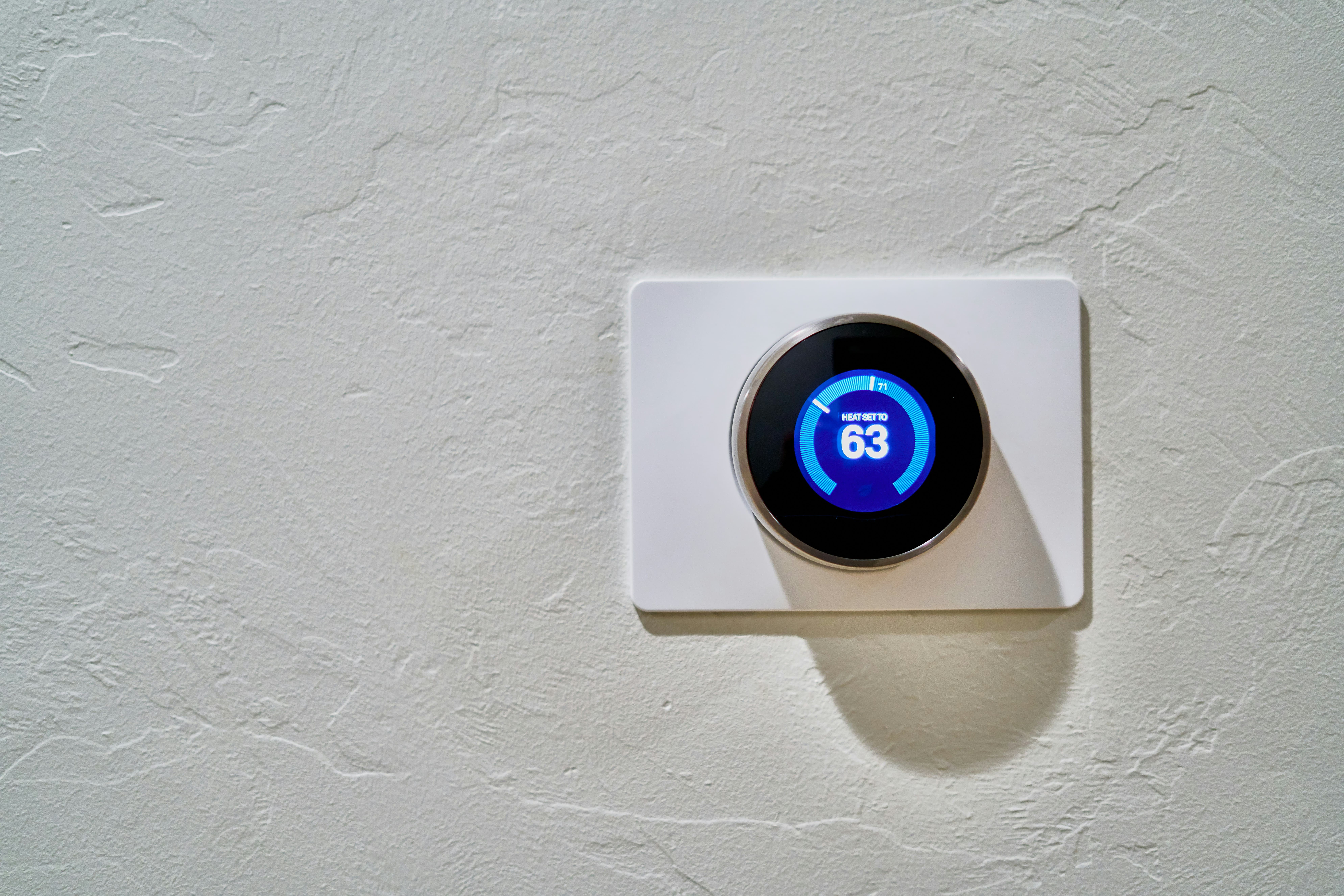
Smart Thermostat Installation in Westlake Village, CA
Smart thermostat installation in Westlake Village, CA brings modern climate control, energy savings, and seamless integration with home automation to homes that face warm summers, mild winters, and occasional inland heat spikes. This page explains what to expect from a professional installation, how compatibility and local conditions affect performance, common issues and solutions, and practical tips to get the most from your smart thermostat after it is installed.
Why a smart thermostat matters for Westlake Village homes
Westlake Village experiences warm, dry summers and moderate winters, which makes air conditioning runtime a major contributor to monthly energy costs. A smart thermostat gives you precise control over HVAC schedules, learns your household patterns, adjusts setpoints automatically, and offers remote access when you are away. Key homeowner benefits include:
- Reduced cooling and heating energy use through adaptive scheduling and learning algorithms.
- Remote control via smartphone apps when commuting, traveling, or managing second homes.
- Integration with voice assistants and home automation for hands-free control and scene-based comfort.
- Better humidity and runtime management for longer HVAC equipment life in a climate with seasonal humidity shifts.
Common smart thermostat issues in Westlake Village and how professionals handle them
Knowing common installation barriers helps avoid surprises. Professional installers typically check and resolve these issues up front:
- Compatibility with HVAC equipment: Some systems (heat pumps, multi-stage furnaces, proprietary controls, and line-voltage systems) require specific smart thermostat models or adapter devices. A compatibility check confirms whether a selected thermostat is suitable.
- Lack of a C-wire or low-power situations: Many smart thermostats need a common wire for continuous power. Technicians can install a C-wire, add a power extender kit, or use another compatible model that does not require a C-wire.
- Multi-zone or complicated systems: Zoning panels, multiple indoor units, and separate heat/cool setups need careful wiring and setup to ensure each zone operates correctly.
- Wi-Fi coverage and connectivity: Poor signal can affect remote control and cloud features. Installers assess router placement and recommend signal boosters or strategic thermostat placement.
- Sensor placement and false readings: Thermostats installed in direct sunlight, near vents, or in isolated rooms produce inaccurate readings. Professionals advise optimal locations or add remote sensors.
What a professional installation includes
A thorough professional installation focuses on compatibility, safety, and optimized performance. Typical steps:
- Pre-install assessment: Verify HVAC type, wiring, transformer voltage, and Wi-Fi signal strength. Confirm thermostat model choice based on system requirements.
- Wiring and electrical work: Install or adapt C-wire, verify wiring on the control board, and ensure correct connections for multi-stage or heat pump systems.
- Mounting and commissioning: Mount thermostat at an optimal height and location, power the unit, and run initial diagnostics to confirm equipment control.
- App setup and account configuration: Link the thermostat to your home Wi-Fi, set up the user account, and enable any manufacturer-specific learning or cloud features.
- Integration with voice assistants and automation: Configure Alexa, Google Assistant, or Apple HomeKit controls and connect to existing home automation platforms if required.
- Demonstration and user training: Walk through basic scheduling, remote control, manual overrides, and energy reports so you know how to use features day to day.
Installation time typically ranges from 60 to 120 minutes depending on system complexity and any required wiring work.
Integration, learning algorithms, and home automation
Modern smart thermostats use learning algorithms to detect occupancy patterns and optimize temperature setpoints for both comfort and efficiency. Integration options commonly include:
- Voice control with Alexa, Google Assistant, and Apple HomeKit.
- Automation platforms for scenes and routines (lighting, locks, shades).
- Remote sensors for improved temperature averaging across rooms.
- Geofencing and presence detection to adjust settings when occupants leave or return.
Professionally installed systems will have these integrations tested so routines trigger reliably and learning features start with the correct baseline settings.
Optimization tips for Westlake Village homeowners
To maximize comfort and savings in local conditions:
- Use temperature setbacks during mid-day summer hours if your home is unoccupied to reduce AC runtime.
- Combine the thermostat’s geofencing with rapid-recovery schedules so the house returns to comfort quickly without running continuously.
- Place remote sensors in commonly used living spaces rather than bedrooms or direct sun areas for representative readings.
- Pair thermostat control with smart shades or fans to reduce the load on your HVAC system during heat waves.
- Review weekly energy reports to fine-tune schedules and avoid overheating or overcooling.
Energy savings, rebates, and return on investment
Smart thermostats commonly deliver measurable savings by reducing unnecessary runtime and optimizing setpoints. Typical savings ranges are:
- 8 to 15 percent on heating energy.
- 10 to 12 percent on cooling energy.Savings vary by household behavior, HVAC efficiency, and local climate. In California, energy efficiency rebates and utility incentives are often available for qualifying smart thermostats and installations. A professional installer familiar with local programs can identify potential incentives and ensure the system meets eligibility requirements.
Post-installation support and maintenance
Reliable post-installation care keeps your smart thermostat performing well over time:
- Firmware updates and account maintenance to preserve security and new features.
- Seasonal checkups to recalibrate schedules for summer and winter usage patterns.
- Troubleshooting for connectivity, sensor drift, or integration issues.
- Coordination with HVAC service for any equipment-related faults identified during thermostat diagnostics.
Technicians often provide a short follow-up period to verify learning behavior and adjust settings so long-term energy performance aligns with homeowner expectations.
Choosing the right smart thermostat for your system in Westlake Village
When selecting a model, consider:
- HVAC compatibility (single-stage, multi-stage, heat pump, millivolt, line-voltage).
- Required power configuration (C-wire versus adapter).
- Integration needs (which voice assistants or automation hubs you use).
- Sensor support and advanced features like adaptive recovery and energy reports.
- Local rebate eligibility for specific models or installation requirements.
A professional compatibility check and on-site assessment can narrow options and ensure you get a reliable, optimized installation that fits your home and lifestyle.
Smart thermostat installation in Westlake Village, CA is a practical upgrade for homeowners who want better comfort control, lower energy use, and modern home automation compatibility. With the right model and professional installation, you gain accurate control, dependable integrations, and ongoing optimization tailored to local climate conditions and household needs.
Customer
Testimonials
Our customers consistently praise the exceptional service and professionalism of our team. They appreciate the honest advice, meticulous work, and the care taken to ensure their satisfaction.

.webp)
Service Areas
