

Heating Tune-up in Woodland Hills, CA

For Woodland Hills homes, Plum HVAC offers a professional heating tune-up service, detailing why seasonal maintenance truly matters, common local issues, and a comprehensive maintenance checklist. We prioritize safety, efficiency, and reliability through inspections of filters, burners, heat exchangers, thermostats, and ductwork, plus startup testing and a detailed post-service report. We'll explain recommended frequency, provide filter guidance, and outline scheduling steps, always emphasizing proactive preventive care to prevent mid-season breakdowns, improve air quality, and reduce energy use for long-term comfort and peace of mind.
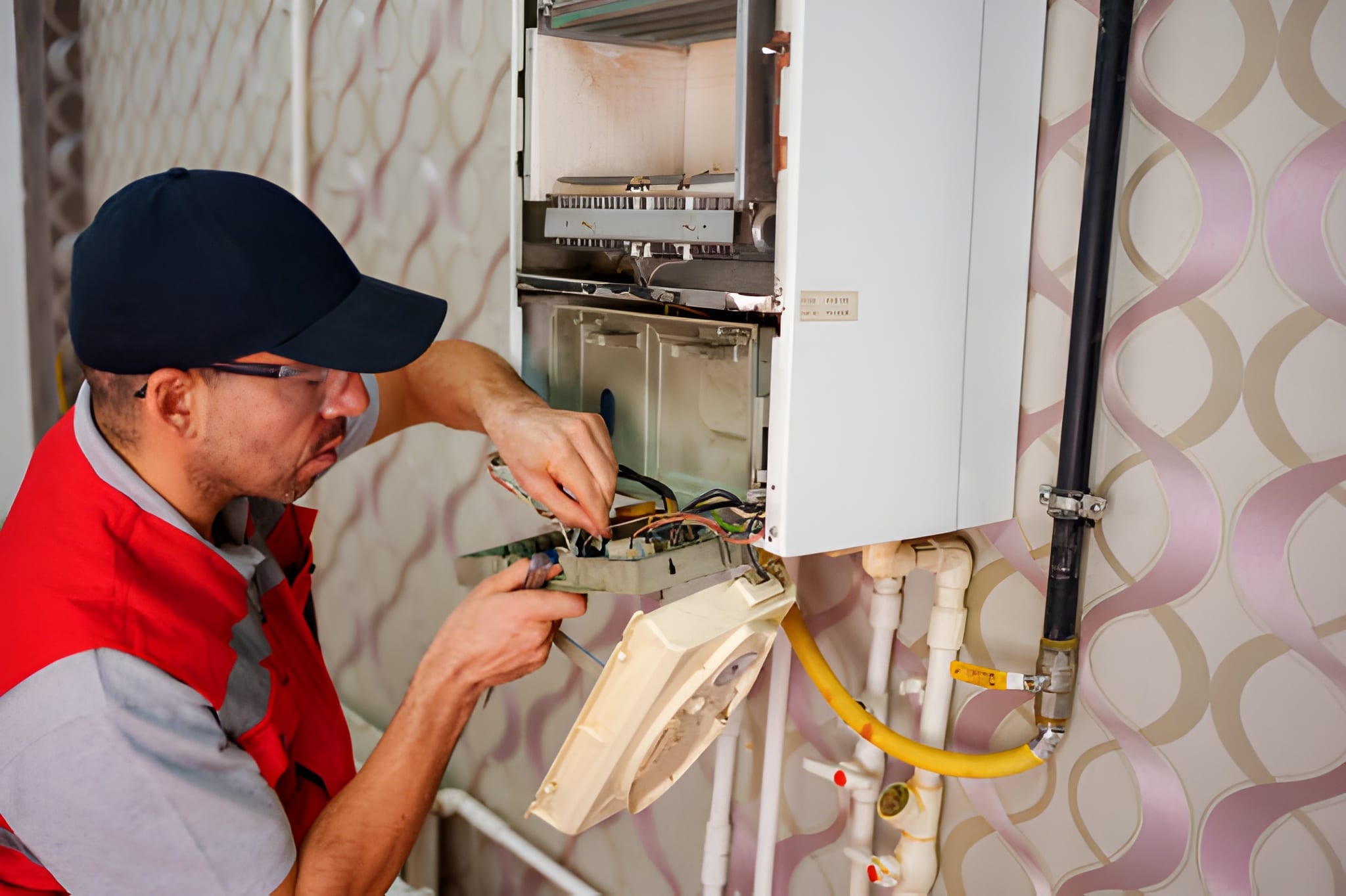
Heating Tune-up in Woodland Hills, CA
Keeping your heating system tuned and safe is important even in Woodland Hills, where winters are mild but sudden cold nights, seasonal dust, and wildfire smoke can strain home systems. A seasonal heating tune-up helps prevent unexpected breakdowns on the cold evenings you need heat, improves efficiency, and reduces safety risks from gas furnaces. This page explains what a professional heating tune-up covers, common issues in Woodland Hills homes, the specific maintenance checklist technicians follow, recommended frequency, and practical guidance on scheduling an appointment.
Why a seasonal heating tune-up matters in Woodland Hills, CA
Woodland Hills experiences warm summers and generally mild winters, but local factors make tune-ups valuable:
- Late fall and early winter temperature swings can expose hidden system faults.
- High dust, pollen, and occasional wildfire ash can clog filters and reduce airflow.
- Many Valley homes use combined heating and cooling systems that go from long idle periods to active heating season; unattended components can fail after summer.
- Natural gas safety concerns are relevant where gas furnaces are present; routine checks reduce carbon monoxide and combustion risks.
A tune-up preserves reliability, extends equipment life, and helps keep energy use steady during the months you need heating most.
Common heating problems in Woodland Hills homes
- Weak or uneven heat due to clogged filters, duct leaks, or restricted airflow.
- Strange odors after long idle periods from dust burning off or trapped contaminants.
- Pilot light or ignition failures following months of nonuse.
- Short cycling where the system turns on and off frequently because of thermostat issues or airflow restriction.
- Increased energy bills from inefficient burners, dirty coils, or improper calibration.
- Safety concerns such as cracked heat exchangers or improper combustion in gas systems.
Detailed maintenance checklist
A complete seasonal heating tune-up typically covers the following items. Technicians focus on safety, performance, and preventive measures.
- Filter inspection and replacement
- Check filter type and condition.
- Replace or recommend filter with appropriate MERV rating for indoor air quality.
- Advise on replacement frequency based on pets, occupants with allergies, and local dust.
- Visual safety and combustion checks
- Inspect burners, ignition system, and pilot assembly.
- Verify safe and clean flame pattern on gas systems.
- Inspect heat exchanger for cracks or corrosion that could allow carbon monoxide leakage.
- Thermostat calibration and controls
- Verify thermostat accuracy and proper wiring.
- Test system response to temperature setpoints and program settings.
- Recommend upgrades if thermostat control is inconsistent.
- Burner, combustion, and efficiency evaluation
- Clean burners and combustion areas to restore efficient flame.
- Check gas pressure and combustion characteristics where applicable.
- Assess overall system efficiency and identify loss points.
- Airflow and ductwork inspection
- Measure airflow to ensure adequate distribution.
- Inspect visible ductwork for leaks, disconnections, and insulation loss.
- Recommend duct cleaning or sealing when needed to improve comfort and reduce dust recirculation.
- Electrical and safety component checks
- Tighten electrical connections and inspect capacitors and relays.
- Test safety switches, limit controls, and condensate drainage on condensing units.
- Verify blower motor operation and belt condition where applicable.
- System startup and operational test
- Start system through a full heating cycle to observe startup behavior.
- Listen for abnormal noises and check for consistent cycling.
- Deliver a post-service report describing findings and recommended repairs.
What the technician will do during diagnostics
Technicians follow a structured diagnostic flow:
- Gather system information: model, age, maintenance history, and recent symptoms.
- Run safety checks first to eliminate immediate hazards.
- Confirm thermostat communication and controls.
- Inspect airflow and basic air handler components.
- Perform combustion and burner inspections for gas systems.
- Run the system and observe performance across a full cycle.This approach finds present issues and pinpoints likely failures before they become emergencies.
Benefits of regular tune-ups
- Improved reliability so you avoid mid-season breakdowns on cold nights.
- Better energy efficiency that helps reduce heating-related energy use.
- Longer equipment lifespan by catching wear before it causes major failures.
- Enhanced indoor air quality through cleaner filters and reduced dust circulation.
- Safety assurance through combustion checks and heat exchanger inspection.
- Cost control by identifying small repairs early rather than replacing major components.
Recommended service frequency and filter guidance
- Annual professional tune-up is recommended for most Woodland Hills homes, ideally in early fall before heating is needed regularly.
- Homes with older equipment (10+ years), frequent use, or gas furnaces may benefit from twice-yearly checks: pre-winter for heating and spring for the cooling season handoff.
- Replace disposable filters every 1 to 3 months depending on filter type, household pets, and local dust levels. High-efficiency pleated filters may last longer but should still be checked monthly during heavy use.
- If you notice reduced airflow, strange odors, or visible soot, schedule a diagnostic inspection regardless of the last service date.
Booking an appointment: what to expect
Scheduling a tune-up is typically straightforward and can be done through a provider’s online booking tool or by phone. When preparing to book, have the following information available to help the technician prepare:
- HVAC brand and model number and the age of the system if known.
- Description of recent symptoms or noises and when they occur.
- Home type (single family, multi-family, condo) and approximate square footage.
- Any access notes such as gated property or special parking instructions.
A standard heating tune-up visit commonly takes 60 to 90 minutes. The technician will provide a written summary of what was inspected and any recommended repairs or follow-up services. For homes in wildfire-prone or high-dust periods, ask about filter upgrades and duct sealing options as part of the preventive plan.
Customer
Testimonials
Our customers consistently praise the exceptional service and professionalism of our team. They appreciate the honest advice, meticulous work, and the care taken to ensure their satisfaction.

.webp)
Service Areas
