

Heating Maintenance in Woodland Hills, CA

Heating maintenance in Woodland Hills, CA provides safe, efficient, and reliable comfort by preventing breakdowns, extending equipment life, and keeping warranty records current. This page outlines the value of scheduled inspections, typical tasks, preventive measures, and documentation practices, including the differences between single visits and maintenance plans. It explains how routine tune-ups improve airflow, filtration, energy use, and indoor air quality while preserving warranties and supporting budgeting. Homeowners can choose a plan that matches their needs and climate realities.
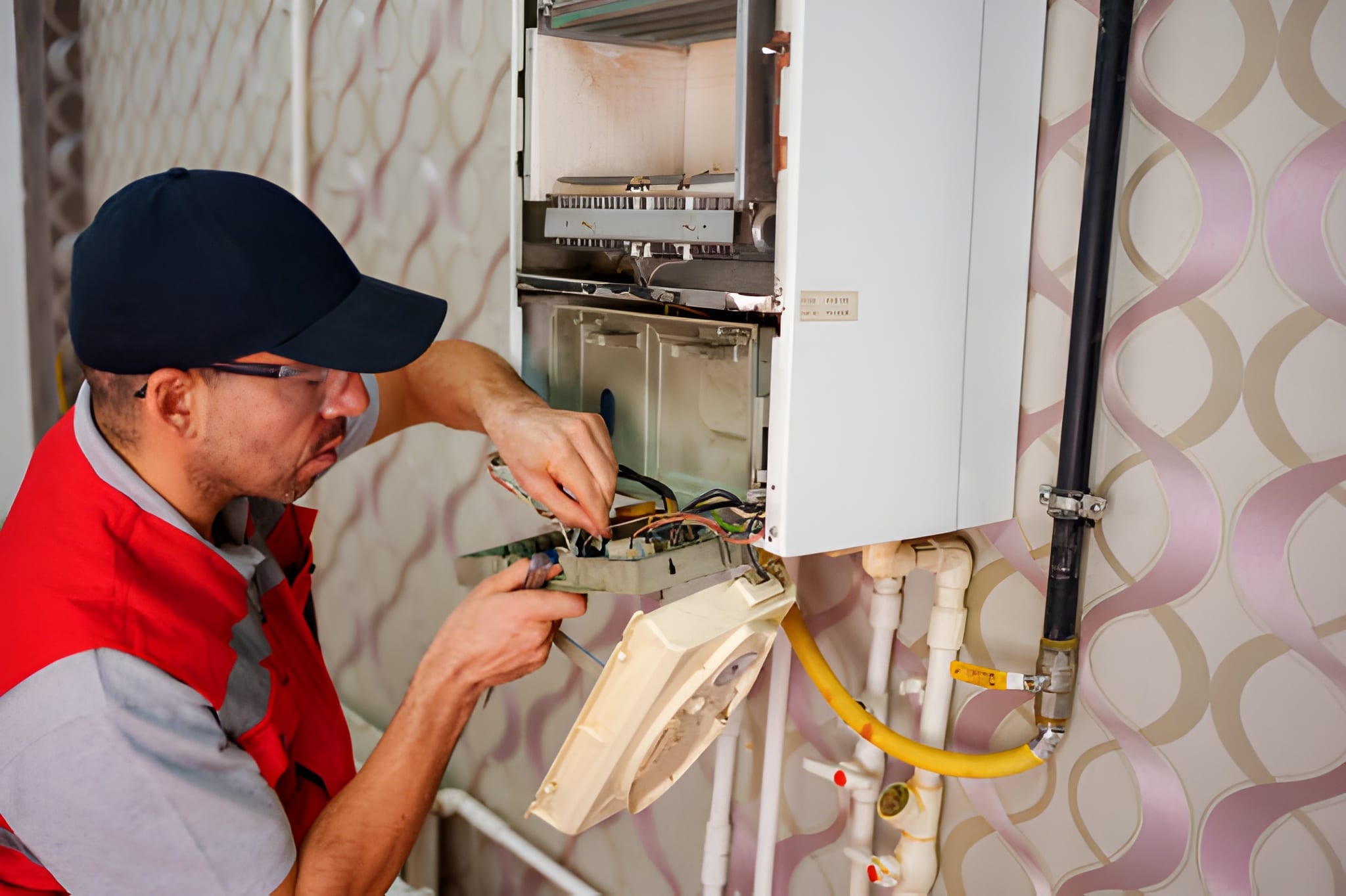
Why scheduled heating maintenance matters in Woodland Hills, CA
- Woodland Hills experiences quick temperature swings and periodic inversions that affect indoor air quality. A well-maintained heating system performs better during cold snaps and helps filter out particulate matter when outdoor air is poor.
- Regular maintenance prevents unexpected breakdowns during peak use, extends equipment life, and keeps systems operating at designed efficiency.
- Manufacturer warranties and some insurance policies require documented, periodic maintenance to remain valid. Proper records keep those protections intact.
Common heating maintenance issues in Woodland Hills, CA
- Reduced airflow from clogged filters or duct leaks, often exacerbated by valley dust and seasonal pollen.
- Degraded heat exchanger performance or combustion inefficiency from infrequent use or dirty burners on gas furnaces.
- Electrical connection or control failures after long, inactive summer months.
- Condensate drainage or trap issues on high-efficiency units that can lead to corrosion if left unaddressed.
- Thermostat calibration drift causing uneven temperatures and wasted energy.
- Duct sealing and insulation problems that lower heating efficiency in older homes.
What a routine heating inspection includes
A thorough maintenance visit follows a checklist designed to identify safety risks, correct inefficiencies, and catch developing problems early. Typical tasks include:
- Visual and operational inspection of the entire heating system (furnace, heat pump, or hybrid system).
- Replace or recommend replacement of filters; inspect filter racks and airflow.
- Clean burners and ignition systems; verify proper ignition and flame characteristics.
- Check heat exchanger for cracks and perform a careful safety inspection to detect carbon monoxide risk.
- Test combustion efficiency and gas pressure where applicable.
- Inspect and clean condensate drains and traps on high-efficiency units.
- Measure and confirm adequate airflow and blower performance; lubricate motors and moving parts if required.
- Inspect electrical connections, controls, relays, and fuses; tighten and secure as needed.
- Calibrate thermostat and verify correct temperature differentials.
- Examine ductwork for leaks, damage, and insulation gaps; document recommendations for sealing or insulation.
- Verify venting and flue integrity to ensure safe exhaust and airflow.
- Test safety devices and limit switches to confirm proper operation.
- For heat pumps: check refrigerant levels, inspect reversing valves, and evaluate defrost cycle performance.
- Indoor air quality checks: inspect filters, recommend improvements (HEPA, electrostatic, UV) when warranted.
Preventive maintenance tasks that extend equipment life
- Scheduled filter changes or upgrades to higher-efficiency filtration suited to local dust and pollen conditions.
- Seasonal blower and motor service to reduce wear and maintain consistent airflow.
- Regular cleaning of burners, heat exchangers, and coils to maintain efficiency and reduce corrosion risk from particle buildup.
- Periodic duct sealing and insulation to reduce heat loss through attic or crawlspace duct runs common in Woodland Hills homes.
- Tightening and testing electrical components to avoid heat-related failures and improve reliability.
- Keeping condensate lines clear to prevent overflow and corrosion.
- Documented seasonal tune-ups timed before heating season to ensure the system is ready for colder months and air-quality events.
Priority service and plan benefits
Choosing an ongoing maintenance plan typically includes benefits tailored for homeowners who want reliable performance and faster repairs:
- Priority scheduling during peak cold or air-quality events, reducing wait times for emergency repairs.
- Routine, pre-scheduled tune-ups (usually annual or biannual) to catch issues before they become failures.
- Consolidated seasonal inspections that maintain service continuity and a complete service history for warranty compliance.
- Faster diagnostics because technicians have access to prior records and known history of your equipment.
- Predictable maintenance cadence that supports better budgeting and fewer unexpected disruptions.
Documentation, record-keeping, and warranty support
Effective maintenance programs include thorough documentation to protect your investment:
- A detailed service report after each visit showing inspections performed, readings taken, parts replaced, and recommended next steps.
- Date-stamped records that meet most manufacturer warranty requirements for annual maintenance.
- Suggested timelines for future checks and parts replacement to prevent warranty voidance.
- Accessible digital logs that make it easy to provide history for resale, insurance claims, or manufacturer warranty validation.
- Energy-use notes and recommendations to demonstrate efficiency improvements over time.
Cost structures: single visits vs. maintenance plans
- Single visits are appropriate for one-off problems, pre-sale inspections, or seasonal checks when you do not want an ongoing commitment. They provide a snapshot and fix of immediate concerns but do not build long-term service history.
- Maintenance plans bundle regular inspections and tune-ups on a schedule, typically offering operational benefits such as priority scheduling and continuous documentation. Plans are ideal for homeowners who want predictable performance, lower long-term repair risk, and documented compliance with warranty requirements.
- Many plans also help prioritize preventive measures that reduce energy use and can lower utility bills by keeping equipment running at optimal efficiency.
How maintenance supports energy savings and comfort
- Properly tuned heating systems run fewer cycles, maintain steady temperatures, and use less fuel or electricity.
- Sealed and insulated duct systems reduce heat loss, improving comfort in rooms that commonly run cool in Woodland Hills homes.
- Calibrated thermostats and balanced airflow reduce short-cycling, extend compressor and motor life, and lower energy consumption.
- Clean components and correct refrigerant levels on heat pumps ensure peak performance during transitional seasons when heating demand is moderate but efficiency matters.
Final considerations for Woodland Hills homeowners
Heating maintenance in Woodland Hills, CA should be tailored to local conditions: valley dust, seasonal pollen, occasional cold snaps, and air-quality events mean filtration, duct sealing, and documented tune-ups are particularly valuable. Regular care prevents inconvenient failures, preserves warranty coverage, improves indoor air quality, and helps systems operate efficiently year after year. The right maintenance approach—whether single visits for specific issues or an ongoing plan that builds service history—keeps your home comfortable and equipment performing reliably.
Customer
Testimonials
Our customers consistently praise the exceptional service and professionalism of our team. They appreciate the honest advice, meticulous work, and the care taken to ensure their satisfaction.

.webp)
Service Areas
