

Heating Tune-up in View Park-Windsor Hills, CA

In View Park-Windsor Hills, CA, Plum HVAC heating tune-ups deliver essential preventive maintenance to improve safety, reliability, and energy efficiency during cold spells. Our skilled technicians inspect combustion, airflow, controls, and safety systems, meticulously cleaning components, calibrating thermostats, and verifying gas pressure. Our service specifically addresses common issues like dirty burners, restricted ducts, and faulty sensors, all while documenting findings and recommended fixes. Regular tune-ups with Plum HVAC significantly reduce unexpected breakdowns, lower heating costs, prolong equipment life, and help maintain excellent indoor air quality for your local home.
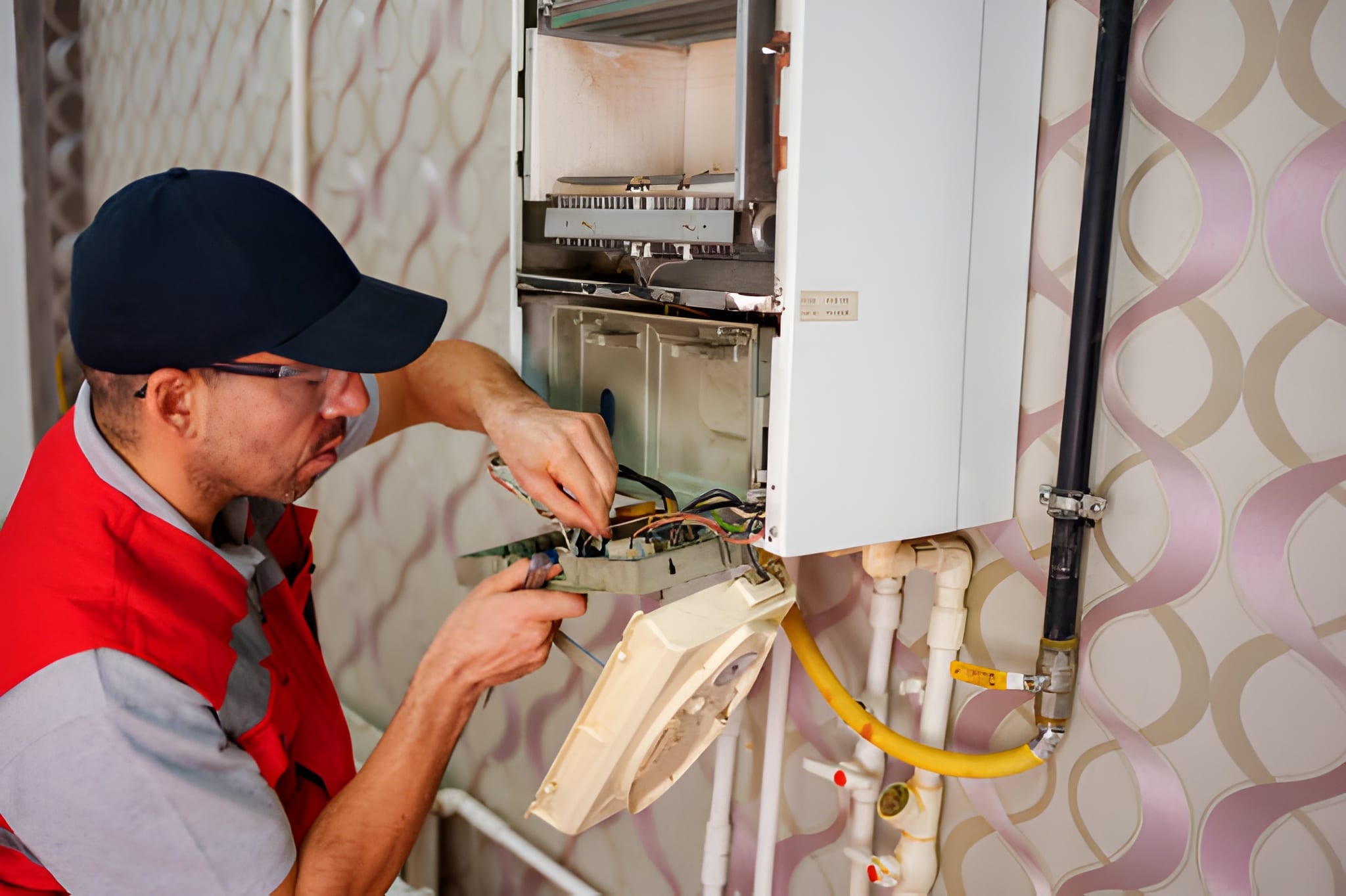
Heating Tune-up in View Park-Windsor Hills, CA
A seasonal heating tune-up keeps your system safe, reliable, and efficient when you need it most. In View Park-Windsor Hills, CA, where winters are mild but unpredictable and many homes have older, period systems, a pre-season inspection and service make the difference between comfortable evenings and unexpected breakdowns. A professional heating tune-up addresses combustion, airflow, controls, and safety so your home stays warm without wasting energy or risking carbon monoxide exposure.
Why a seasonal heating tune-up matters in View Park-Windsor Hills, CA
View Park-Windsor Hills experiences relatively mild winters with occasional cold snaps. Because heating runs intermittently, systems can develop ignition, pilot, or airflow problems between seasons. Local factors that make tune-ups particularly valuable here include:
- Older, historic homes with original or aging HVAC equipment that benefit from preventive care.
- Urban air quality and seasonal winds that increase dust and debris, clogging filters and coils.
- Narrow seasonal use that lets small issues go unnoticed until the first cold night, leading to emergency repairs.
A proper tune-up helps ensure your heating system performs reliably, uses less energy, and meets safety standards.
Common heating tune-up issues in View Park-Windsor Hills homes
- Dirty burners and coils: Accumulated dust and soot reduce combustion efficiency and heat transfer.
- Clogged filters: Reduced airflow strains the blower and increases cycling, lowering comfort and efficiency.
- Ignition and gas pressure issues: Faulty ignition controls or incorrect gas pressure lead to delayed or weak heat and potential safety concerns.
- Heat exchanger cracks or corrosion: A compromised heat exchanger can leak combustion gases into the living space.
- Uncalibrated thermostats: Thermostat inaccuracies create short cycles, uneven temperatures, and wasted energy.
- Restricted airflow and duct leaks: Leaky or dirty ducts lower system capacity and indoor air quality.
- Failing safety controls: Worn limit switches or flame sensors can cause nuisance shutdowns or unsafe conditions.
What a comprehensive heating tune-up includes
A complete seasonal tune-up covers all major components and documents system condition. Typical steps include:
- Visual and operational inspection of the furnace or heat pump, vents, and flue/venting.
- Cleaning burners and coils to restore efficient combustion and heat transfer.
- Inspecting the heat exchanger for cracks, corrosion, or signs of stress.
- Checking and replacing filters with the appropriate MERV or manufacturer-recommended type.
- Verifying gas pressure and ignition systems to ensure reliable startup and stable flame characteristics.
- Calibrating the thermostat and testing temperature accuracy across zones.
- Testing safety controls and sensors including limit switches, flame sensors, and carbon monoxide detection readiness.
- Measuring airflow and checking the blower for proper operation, bearings, and belt condition.
- Inspecting ducts and registers for visible leaks, blockages, and balancing issues.
- Providing a detailed service report with observed issues, recommended fixes, and parts that may need attention soon.
Every step is performed with the goal of maximizing safety, extending equipment life, and improving seasonal comfort.
Diagnostics: how we assess system health
Technicians combine visual checks, simple tests, and basic measurements to determine system condition in plain terms you can understand. Common diagnostics include:
- Observing burner flame shape and color to detect incomplete combustion.
- Verifying ignition timing and cycles to prevent delayed or repeated starts.
- Measuring temperature rise across the heat exchanger to confirm it reaches expected performance.
- Checking gas line pressure and regulator function for safe, efficient fuel delivery.
- Measuring static pressure and airflow to detect blocked filters or duct restrictions.
- Using carbon monoxide screening tools when heat exchangers or venting could be compromised.
Results are summarized in a clear service report that lists safety concerns, efficiency issues, and prioritized recommendations.
Repairs and recommended fixes you may encounter
Not all tune-ups require repairs, but common fixes uncovered during service include:
- Filter replacement and advising on filter type/frequency for View Park-Windsor Hills air conditions.
- Cleaning or replacing burners and pilot assemblies to restore reliable ignition.
- Replacing or recalibrating thermostats for accurate temperature control and better comfort.
- Repairing or replacing ignition modules and flame sensors to stop intermittent failures.
- Addressing minor duct leaks or register obstructions that improve airflow and reduce hot/cold spots.
- Blower motor servicing or bearing replacement when performance is degraded.
- Recommending heat exchanger replacement if cracks or severe corrosion are found, due to safety risk.Each recommended repair includes an explanation of why it matters, the expected result, and how it affects safety and efficiency.
Benefits of regular tune-ups for View Park-Windsor Hills homeowners
- Improved energy efficiency and lower seasonal heating costs.
- Fewer unexpected breakdowns during chilly nights.
- Reduced risk of carbon monoxide exposure from cracked heat exchangers or poor venting.
- Longer equipment life and maintained manufacturer warranty compliance.
- Better indoor air quality through proper filtration and reduced dust recirculation.
- Consistent comfort with balanced airflow and accurate thermostat control.
Seasonal timing and local maintenance tips
- Schedule your heating tune-up in early fall before the first sustained cool period. This avoids peak-season delays and catches issues while replacement parts are readily available.
- Change filters more often during windy events or when local air quality advisory days increase particulate load.
- If your home has older ductwork or original radiators and chimneys, include vent and flue inspections to ensure safe combustion air and venting.
- Keep outdoor intake guards and flue terminals clear of debris, leaves, and nests—especially after windy periods common in the region.
Customer
Testimonials
Our customers consistently praise the exceptional service and professionalism of our team. They appreciate the honest advice, meticulous work, and the care taken to ensure their satisfaction.

.webp)
Service Areas
