

Heating Maintenance in View Park-Windsor Hills, CA

Heating maintenance in View Park-Windsor Hills, CA emphasizes prevention to keep residential and commercial systems reliable, efficient, and safe. A tailored plan covers regular inspections, filter changes, electrical checks, and safety testing, with clear records and reminders. The program prioritizes timely dispatch, scalable service intervals, and documentation for building management. Benefits include lower utility bills, fewer emergencies, extended equipment life, and improved indoor comfort, while plans address local climate, air quality, and property-specific needs. This page explains how to select plans for your property.
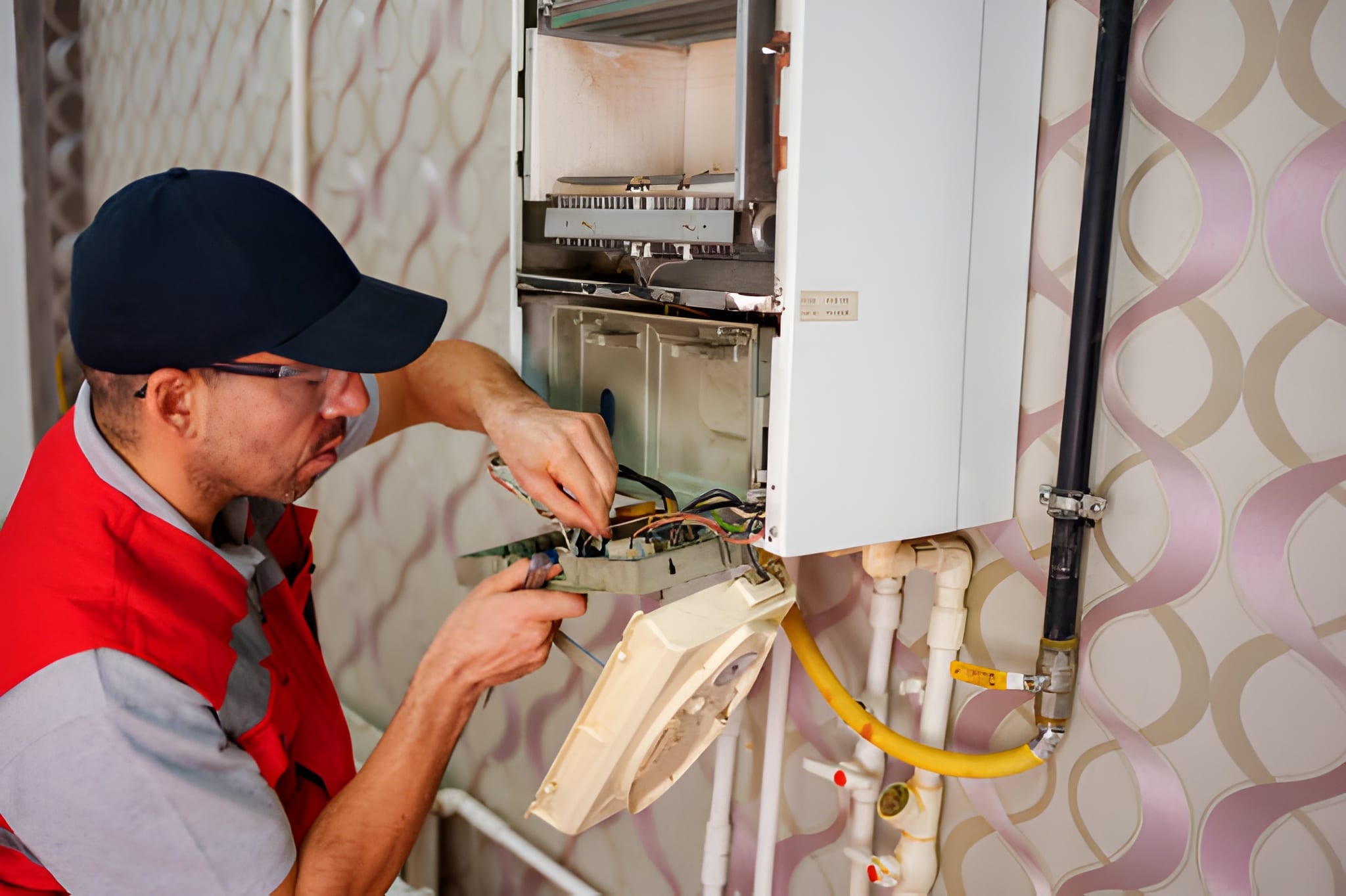
Why preventative heating maintenance matters in View Park-Windsor Hills
- Local climate: Cooler nights and occasional cold snaps mean furnaces and heat pumps cycle more frequently than some expect. Routine servicing prevents surprise failures when temperatures drop.
- Air quality concerns: Periodic wildfire smoke, dust from urban activity, and pollen increase filter loading and degrade indoor air quality without regular filter and duct attention.
- Older housing stock: Many homes in View Park-Windsor Hills are established properties with original or aging HVAC systems that benefit most from targeted preventive care.
- Business continuity: Small commercial properties and offices rely on predictable heating performance to maintain operations and occupant comfort.
Common heating maintenance issues in View Park-Windsor Hills
- Clogged or overdue filter changes reducing airflow and efficiency
- Loose or worn belts causing noise and reduced blower performance
- Corroded electrical connections and failing controls leading to intermittent operation
- Dirty burners, heat exchangers, or outdoor coils reducing combustion efficiency and safety
- Ignition and pilot system wear causing delayed or failed starts
- Improper thermostat calibration or poor airflow balance resulting in uneven indoor temperatures
What a professional heating maintenance plan includes
Heating maintenance plans organize routine service so systems perform safely and efficiently year-round. Typical elements of a comprehensive plan include:
- Scheduled inspections timed to local needs (residential: annual before winter; commercial: biannual or quarterly depending on usage)
- Priority dispatch for enrolled customers to reduce service wait times during peak seasons
- A standardized maintenance checklist covering filters, belts, electrical, safety, and performance items
- Detailed record-keeping of all service visits, parts replaced, and system readings
- Seasonal reminders and recommendations for upgrades or necessary repairs
- Options that cover both single-family homes and commercial units, with scalable service intervals and documentation for building management
Standard maintenance checklist — what gets inspected and adjusted
A reliable maintenance visit follows a clear checklist to catch common failure points and optimize operation:
- Replace or inspect air filters; recommend type and replacement cadence
- Inspect blower assembly, belts, and motors; lubricate moving parts where applicable
- Check electrical connections, capacitors, relays, and controls for wear or overheating
- Test ignition system, flame sensors, and safety controls for proper operation
- Inspect heat exchanger or combustion components for cracks, soot, or corrosion
- Measure system pressures and temperatures; verify proper airflow and thermostat calibration
- Clean burners or outdoor heat pump coils and verify adequate combustion or refrigerant charge
- Test carbon monoxide and combustion safety when applicable; verify venting integrity
- Evaluate ductwork for leaks or restrictions and recommend targeted cleaning if needed
- Document all findings, measurements, and recommended next steps in a service record
How the maintenance process works for homes and businesses
- Enrollment: Homeowners or property managers choose a plan level appropriate for system age and usage. Plans are configurable for single systems or multiple units in commercial buildings.
- Initial assessment: The first visit establishes baseline system health, records serial numbers and model information, and identifies any immediate safety concerns.
- Scheduled visits: Technicians perform inspections and maintenance according to the agreed schedule, focusing on local climate impacts like smoke-related filter changes or salt/dust buildup.
- Priority response and record-keeping: Enrolled properties receive priority dispatch during high-demand periods and a maintained log of past services to support warranty and lifecycle planning.
- Recommendation and budgeting: Each visit concludes with a plain-language summary of condition, suggested repairs, and expected lifespan impacts so building owners can plan capital expenditures.
Cost-saving and operational benefits
- Lower utility bills: A well-maintained heating system operates closer to its rated efficiency, reducing fuel or electricity consumption.
- Fewer emergency repairs: Routine care catches issues early before they escalate into expensive failures or downtime.
- Extended equipment life: Regular cleaning, adjustments, and timely component replacement reduce stress on the system and delay replacement needs.
- Safety and compliance: Regular safety checks reduce carbon monoxide and fire risks and help meet local code expectations for commercial properties.
- Predictable maintenance costs: Service agreements smooth out maintenance expenses and provide clear documentation for property management and warranty claims.
Tailoring plans for View Park-Windsor Hills properties
Residential plans emphasize indoor air quality and system reliability for evening cooling-to-heating transitions common in the area. For older or historic homes, plans prioritize gentle diagnostics, preservation-friendly repairs, and duct evaluation to improve comfort without invasive changes.
Commercial plans focus on uptime and compliance: more frequent inspections, priority scheduling during building operation hours, and documentation formats suited for facility managers. Properties with mixed-use or higher occupant density can opt for more frequent filter changes and performance monitoring.
Signs your system needs immediate attention
- Unusual noises like rattling, squealing, or banging during startup or operation
- Noticeable decline in heating performance or uneven temperatures across rooms
- Frequent cycling on and off or unexpected shutdowns
- Higher-than-normal energy bills without a change in use
- Any detection of carbon monoxide or a persistent gas odor
Long-term value of a maintenance agreement
Investing in a structured maintenance plan provides peace of mind and predictable performance. For View Park-Windsor Hills homes and businesses, regular preventive service helps adapt HVAC care to local air quality and climate patterns, preserves indoor comfort, and keeps systems running safely and efficiently for years beyond the typical lifespan.
For property owners evaluating options, prioritize plans that include clear inspection checklists, documented service records, and priority service features that align with the demands of this neighborhood.
Customer
Testimonials
Our customers consistently praise the exceptional service and professionalism of our team. They appreciate the honest advice, meticulous work, and the care taken to ensure their satisfaction.

.webp)
Service Areas
