

Heating Tune-up in Ventura, CA

Plum HVAC offers a comprehensive heating tune-up for Ventura, CA homes, specifically designed to improve safety, efficiency, and reliability. We understand that local conditions like marine salt and seasonal coastal temperature swings shape the recommended maintenance. Our standard tune-up follows a detailed checklist: thorough inspections, meticulous cleaning, precise airflow checks, essential safety tests, and performance testing. Our technicians document all findings in a clear report and offer targeted repairs or replacements. Regular maintenance with Plum HVAC truly reduces energy use, extends equipment life, and safeguards your indoor air quality during cool, smoky, or damp months.
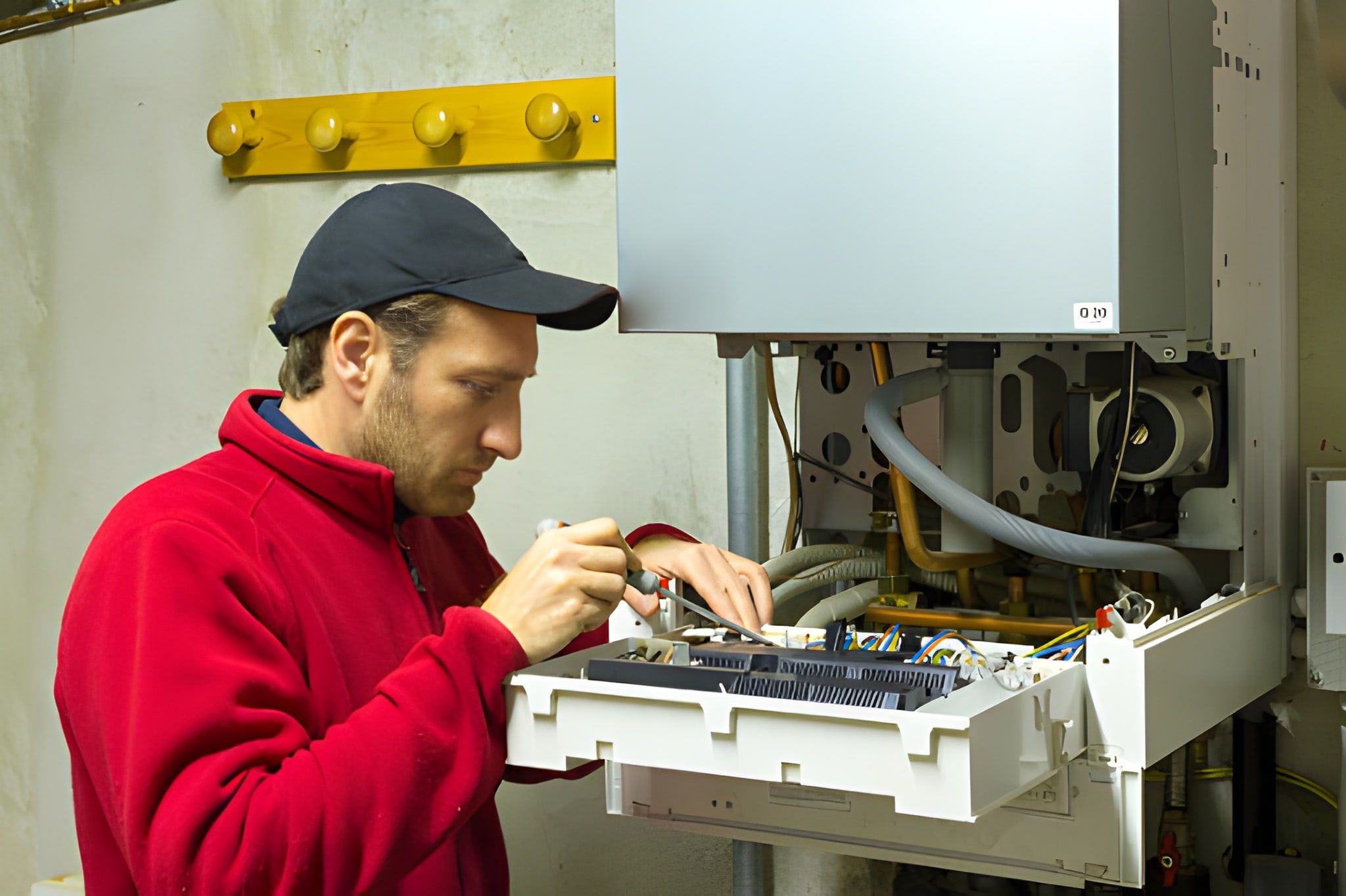
Heating Tune-up in Ventura, CA
A seasonal Heating Tune-up in Ventura, CA keeps your heating system running safely, efficiently, and reliably through the cooler months. Ventura homes face unique conditions — marine salt in the air, frequent nighttime cooling near the coast, and episodic smoke from nearby wildfires — all of which can accelerate wear or reduce indoor air quality. A focused tune-up addresses those local challenges and ensures your furnace or heat pump performs when you need it most.
Why a heating tune-up matters in Ventura
- Efficiency and energy savings: A clean, calibrated system uses less energy to deliver the same comfort. In Ventura, where heating cycles are typically shorter but frequent overnight, efficiency gains add up.
- Reliability for cool nights: Coastal homes often experience rapid temperature drops after sunset. A tune-up reduces the chance of mid-night failures.
- Safety and indoor air quality: Wildfire smoke and salt air can affect filters and combustion components. Inspections lower the risk of carbon monoxide exposure and poor indoor air.
- Extended equipment life: Regular maintenance slows wear on motors, controls, and heat exchangers, delaying premature replacement.
Common heating issues in Ventura homes
- Clogged filters and reduced airflow from smoke, dust, and salt residue
- Corroded burners, vents, or electrical connections from coastal humidity
- Thermostat miscalibration causing short cycles or temperature swings
- Ignition or pilot failures in gas furnaces
- Dirty coils and reduced heat transfer on heat pumps or packaged units
- Blocked condensate drains or venting problems
- Elevated carbon monoxide or combustion inefficiencies due to soot or misaligned burners
What a standard tune-up includes
A professional seasonal tune-up typically follows a structured checklist to confirm safety and performance. Core items include:
- Visual system inspection
- Check vents, flues, and chimneys for obstructions or corrosion
- Inspect heat exchanger for cracks or abnormal soot
- Examine cabinet and components for salt-related corrosion
- Combustion and safety controls
- Test gas pressure, burner flame quality, and ignition sequence
- Verify operation of safety controls and limit switches
- Measure carbon monoxide levels where applicable
- Cleaning and preventative maintenance
- Clean burners, pilot assemblies, and combustion areas
- Remove dust and debris from blower assembly and motor
- Clean or inspect coils on heat pumps and packaged systems
- Airflow and filtration
- Inspect, advise on, or replace air filters as appropriate
- Measure static pressure and airflow to ensure proper distribution
- Check duct connections for leaks or loose fittings
- Electrical and mechanical checks
- Tighten electrical connections, check capacitors and relays
- Lubricate motors and moving parts if required by manufacturer
- Test thermostat operation and recalibrate or replace sensors as needed
- System performance testing
- Verify temperature rise across furnace or heating output on heat pumps
- For heat pumps, check refrigerant levels and reversing valve operation
- Test cycle frequency and runtime for comfort and efficiency
- Condensate and drainage
- Inspect condensate drain and trap for blockages and proper flow
- Clean drain lines when needed to prevent overflow or damage
Diagnostic details explained simply
During the tune-up, technicians collect measurable data and make adjustments so you understand current system health. Typical diagnostics include:
- Temperature rise: Confirms the furnace is producing appropriate heat compared to manufacturer specifications.
- Static pressure and airflow: Identifies restricted ducts or filters that reduce system efficiency.
- Carbon monoxide check: Ensures combustion is complete and safe.
- Burner flame inspection: A steady, blue flame indicates proper combustion; yellow or sooty flames suggest cleaning or adjustment.
- Refrigerant check: For heat pumps, correct refrigerant charge affects heating capacity and efficiency.
These diagnostics guide targeted repairs and help estimate remaining useful life of major components.
What is included in a tune-up report
A clear, professional report gives a snapshot of system condition and recommended next steps. Typical report elements:
- Completed checklist of inspections and actions taken
- Measured values: temperature rise, static pressure, CO readings, refrigerant levels
- Photographs of any concerning areas (corrosion, cracked heat exchanger, damaged ducts)
- List of recommended repairs or parts replacements, prioritized by safety and performance
- Notes on filter condition and recommended replacement frequency
- Suggested next service date and expected maintenance cadence
- Service history summary if applicable
A tune-up report documents what was done and provides a roadmap for keeping your heating system reliable.
Recommended frequency and timing
- Annual tune-up: For most systems in Ventura, one annual tune-up before the heating season is the baseline recommendation.
- Biannual service: Homes with heat pumps used year-round, residences exposed to heavy smoke or salt spray, or older systems may benefit from service twice a year.
- Pre-season scheduling: Schedule service in early fall to address issues before temperatures drop and to avoid seasonal scheduling bottlenecks.
Membership and maintenance-plan options
Maintenance plans commonly include structured benefits to keep systems on a preventive schedule. Typical options offered through plans:
- Priority scheduling for seasonal service windows
- Scheduled annual or biannual tune-ups with reminders
- Discounts on diagnostic fees and repairs or priority parts ordering
- Filter replacement programs and documented service history
- Seasonal checklists tailored to local conditions such as smoke events or coastal corrosion prevention
Membership-style plans bring predictability and often reduce long-term repair costs by catching problems early.
Customer
Testimonials
Our customers consistently praise the exceptional service and professionalism of our team. They appreciate the honest advice, meticulous work, and the care taken to ensure their satisfaction.

.webp)
Service Areas
