

Heating Maintenance in Ventura, CA

This page explains comprehensive heating maintenance programs for Ventura, CA homes, detailing why scheduled maintenance matters, common local issues like salt corrosion and short-cycling, and the goal of preventing mid-season failures. It outlines core program elements including scheduled inspections, preventive diagnostics, proactive part replacement planning, detailed record-keeping, and tiered service options. It describes how a typical visit proceeds, replacement schedules, enrollment steps, customization, and how ongoing documentation supports cost savings, reliability, and lifecycle planning for Ventura households.
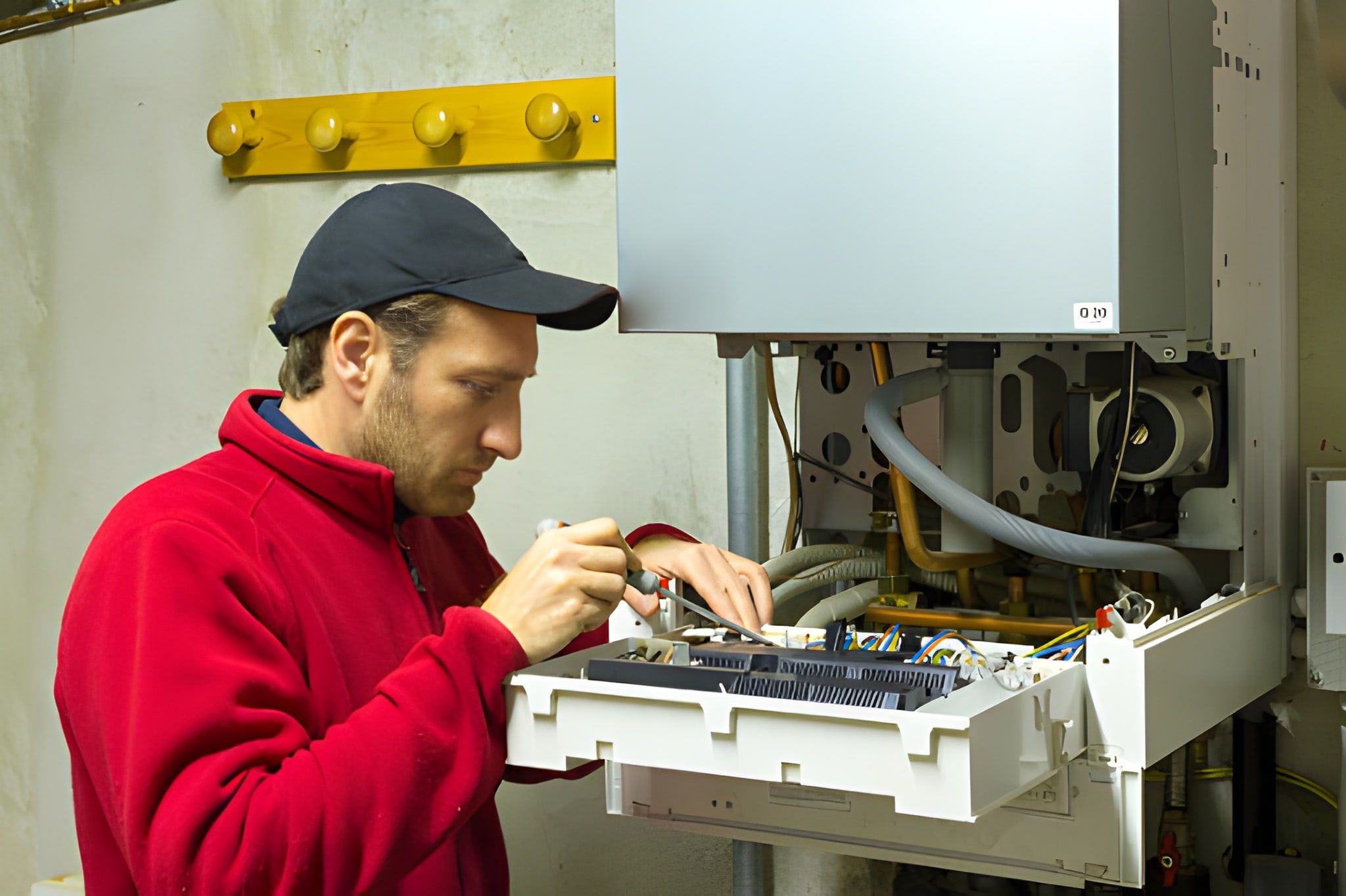
Why scheduled heating maintenance matters in Ventura
Ventura’s mild, coastal climate still exposes heating equipment to unique stresses:
- Salt air and humidity can accelerate corrosion on outdoor components and electrical contacts.
- Frequent on-off cycling during mild winters increases wear on ignition systems and motors.
- Homes near the coast or in older neighborhoods may have ducts or vents with accumulated salt and dust that reduce efficiency.
Regular maintenance reduces risk of failure during occasional cold snaps, helps systems run more quietly and efficiently, and protects homeowners from unexpected emergency repairs. For homeowners considering replacement, documented maintenance records also support better equipment lifecycle planning.
Common heating maintenance issues in Ventura homes
- Corroded outdoor heat exchanger connections and condensate lines due to salt air.
- Dirty or clogged air filters and return vents limiting airflow.
- Ignition or pilot assembly wear from frequent cycling.
- Reduced efficiency from scale, soot, or sediment buildup in combustion systems.
- Worn blower motors and belts causing reduced airflow and increased energy use.
- Thermostat calibration drift leading to uneven heating or short-cycling.
Understanding these typical problems helps prioritize inspections and preventive tasks that are most effective for Ventura residences.
What a comprehensive heating maintenance program includes
A thorough program is more than a single annual tune-up. Core elements include:
- Scheduled visits: seasonal or semi-annual inspections timed for pre-winter readiness and mid-season checkups.
- Preventive inspections: detailed system diagnostics covering combustion safety, airflow, electrical integrity, controls, and safety switches.
- Priority service: faster response windows for enrolled customers during high-demand periods.
- Filter replacement schedules: recommended intervals and documented changes based on system type and home conditions.
- Component replacement planning: recommended timelines for parts that frequently wear, such as igniters, belts, capacitors, and motors.
- Record-keeping: digital maintenance logs, inspection reports, and performance notes to inform future service or replacement decisions.
- Tiered service options: varying levels of coverage and frequency to match budgets, equipment age, and homeowner goals.
Typical service tiers (features without pricing)
- Basic Care
- Annual inspection and safety check
- Basic filter inspection and guidance on replacement frequency
- Maintenance record entry after each visit
- Standard Care
- Bi-annual inspections (pre-winter and mid-season)
- Filter replacement at each visit
- Priority scheduling during peak season
- Seasonal performance report and recommended parts list
- Premium Care
- Quarterly inspections and system tune-ups
- All filters and minor components replaced per schedule
- Priority dispatch with extended service hours
- Detailed digital reports, energy efficiency assessments, and equipment lifecycle tracking
- Custom add-ons such as thermostat optimization and indoor air quality checks
These tiers are customizable based on system age, manufacturer requirements, and homeowner preferences.
How a maintenance visit works
Each scheduled visit follows a consistent diagnostic and service workflow:
- System startup and safety checks - verify safe ignition, combustion, and venting where applicable.
- Airflow and filtration inspection - measure airflow, examine ductwork access points, and inspect the filter.
- Electrical and control tests - test motors, capacitors, relays, and thermostat communication.
- Combustion and efficiency checks - inspect burners, clean if needed, and verify heat output consistency.
- Replace consumables per plan - filters, belts, and other scheduled items are replaced and documented.
- Report and recommendations - technicians record findings, any corrective actions taken, and suggested next steps.
Technicians prioritize non-invasive diagnostics to keep service quick and transparent while ensuring critical safety checks are completed.
Filter and component replacement schedules
Recommended schedules vary with system type and home conditions. Typical guidance:
- Disposable filters: inspect monthly; replace every 1-3 months depending on particle load and pets.
- High-efficiency pleated filters: replace every 3-6 months.
- Blower belts and drive components: inspect annually; replace when wear is evident or every 3-5 years depending on usage.
- Igniters/electronic starters: inspection annually; plan replacement proactively if showing wear or intermittent operation.
- Heat exchangers and combustion chambers: inspect annually for corrosion or cracks; immediate action if deterioration is found.
In Ventura homes near the coast, more frequent inspections are advisable due to the corrosive effects of salt air.
Record-keeping and transparency
A quality maintenance program provides clear, accessible records:
- Digital maintenance history accessible to homeowners and technicians.
- Itemized inspection reports showing measurements, component condition, and parts replaced.
- Lifecycle tracking that projects remaining useful life and recommends replacement windows.
- Energy-use notes that help homeowners compare pre- and post-maintenance efficiency.
Consistent records protect homeowners from unexpected expenses and enable data-driven decisions when considering upgrades.
Cost-saving and equipment life benefits
Regular maintenance reduces operating costs by improving combustion efficiency and airflow, which lowers energy consumption. Preventive maintenance also addresses small issues before they become major repairs, preserving warranties and extending equipment life. For Ventura homes, these benefits are amplified by reducing corrosion-related failures and avoiding emergency service during windy or cooler coastal nights.
Enrolling and customizing a maintenance plan
Enrollment typically begins with an initial on-site system assessment to establish baseline condition and specific needs. From there:
- Choose a tier that aligns with equipment age and household priorities (efficiency, uptime, or comprehensive coverage).
- Customize frequency and add-ons such as indoor air quality services, thermostat optimization, or duct cleaning.
- Set up scheduled visits aligned with seasonal needs and personal schedules.
- Confirm documentation and reporting preferences for digital records and reminders.
Plans remain flexible to accommodate system upgrades, changes in household needs, or relocation. Clear terms outline what each visit covers and how priority service is managed during peak periods.
Final notes for Ventura homeowners
Heating maintenance is a practical, cost-effective approach to keeping systems safe, efficient, and reliable in Ventura’s coastal climate. Regular schedules, detailed inspections, and proactive component care reduce disruptions and help homeowners maximize equipment life. For best results, match a maintenance tier to your system’s age and your home’s exposure to coastal conditions, and make documentation a priority so future repair or replacement decisions are informed and straightforward.
Customer
Testimonials
Our customers consistently praise the exceptional service and professionalism of our team. They appreciate the honest advice, meticulous work, and the care taken to ensure their satisfaction.

.webp)
Service Areas
