

Heating Tune-up in Upland, CA

Heating tune-ups in Upland, CA keep home systems reliable, efficient, and safe throughout the heating season. Regular inspections address issues common in dry, dusty climates near the San Gabriel foothills, such as clogged filters, worn flame sensors, thermostat miscalibration, and duct leaks. Each tune-up includes thorough inspection, cleaning, calibration, and safety verification, with diagnostics and maintenance performed at recommended intervals. Consistent tune-ups help lower energy costs, extend equipment life, and maintain comfortable indoor temperatures during cold nights.
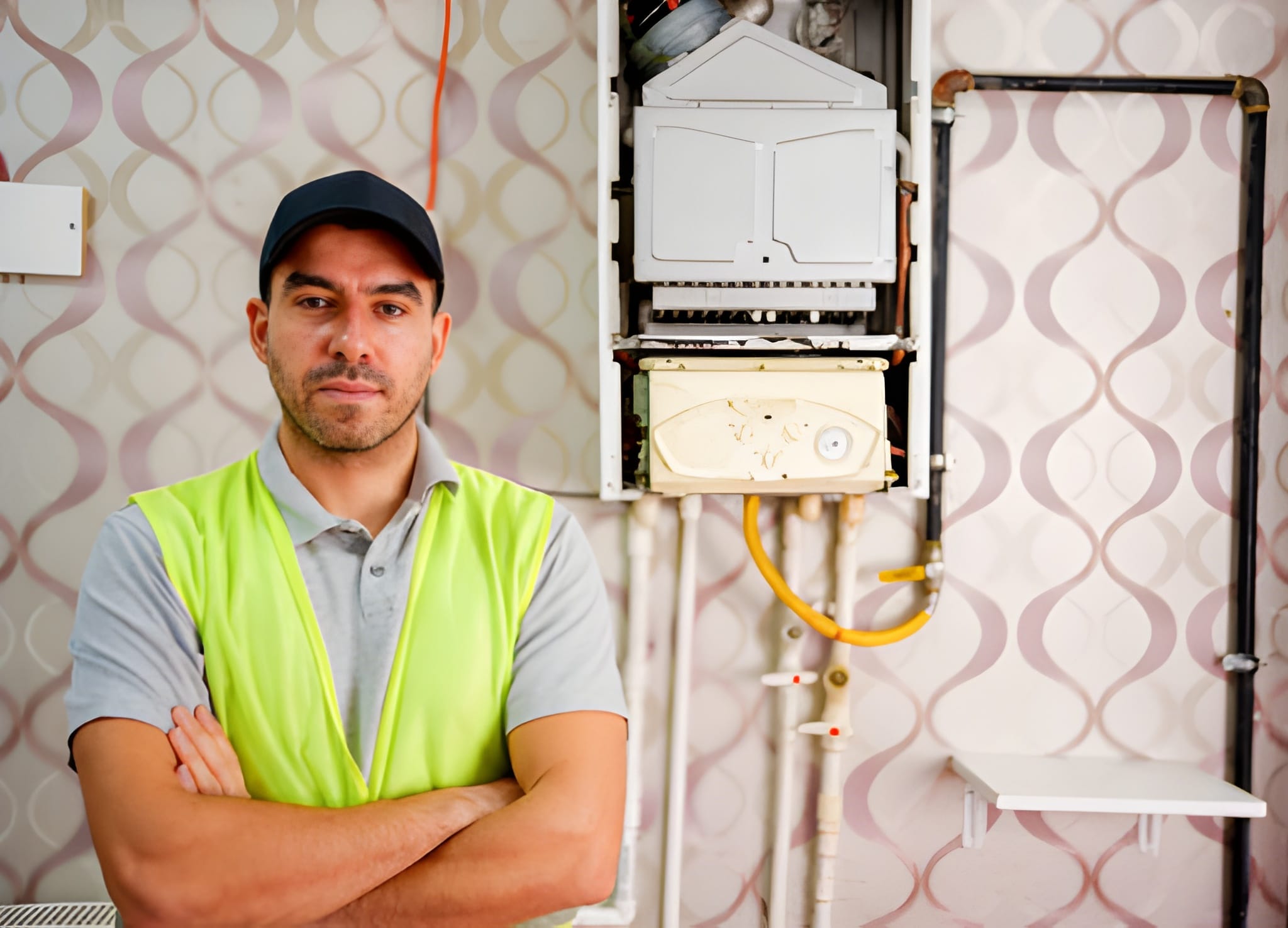
Heating Tune-up in Upland, CA
A seasonal heating tune-up in Upland, CA keeps your home comfortable, safe, and energy efficient through the cooler months. Although winters in Upland are milder than inland valleys, night-time lows and occasional cold snaps mean furnaces and heat pumps still undergo seasonal strain. Regular tune-ups prevent unexpected failures, reduce energy costs, and address safety risks like carbon monoxide leaks—especially important in homes near the foothills where dust, pollen, and wildfire ash can accelerate system wear.
Why a heating tune-up matters in Upland, CA
- Upland’s dry, dusty climate and periodic wildfire smoke increase filter loading and clog burners or heat exchangers faster than in wetter regions.
- Homes near the San Gabriel foothills can experience wider temperature swings between day and night, causing more frequent cycling that wears components.
- Seasonal tune-ups preserve system reliability during those chilly nights and help extend equipment life, which matters as many local homes use older furnaces or hybrid systems.
Common heating issues in Upland homes
- Clogged or dirty filters reducing airflow and increasing energy use
- Soiled burners and flame sensors causing poor combustion or ignition failure
- Miscalibrated thermostats or poor control response leading to temperature swings
- Dirty or blocked venting and flues that impair exhaust and can create safety hazards
- Worn blower motors, belts, or bearings producing noise and reducing airflow
- Duct leaks or insulation gaps that lose conditioned air into unconditioned spaces
- Dust, pollen, and ash accumulation that accelerate component wear and reduce indoor air quality
Typical tune-up checklist (what we inspect and why)
A thorough heating tune-up in Upland, CA follows a standard inspection and maintenance checklist to find issues before they fail:
- Air filter inspection and replacement: Ensures proper airflow and protects the blower and heat exchanger.
- Burner and combustion area cleaning: Removes soot and debris to restore efficient combustion.
- Ignition and pilot system check: Confirms reliable starts and safe operation.
- Heat exchanger visual inspection: Looks for cracks or corrosion that can cause carbon monoxide leaks.
- Vent and flue inspection: Ensures exhaust pathways are clear and properly sealed.
- Safety controls and limit switches: Tests shutdowns and overheat protection.
- Blower motor, belts, and fan cleaning/lubrication: Restores airflow and reduces noise.
- Thermostat calibration and control verification: Improves comfort and reduces short cycling.
- Electrical connections and wire integrity: Tightens and inspects to avoid shorts or failures.
- Combustion analysis and gas pressure check (when applicable): Verifies fuel/air mixture for optimal efficiency.
- Carbon monoxide test: Confirms safe indoor levels after system startup.
- Condensate drain and trap cleaning (on high-efficiency systems): Prevents backups and water damage.
- Ductwork inspection: Identifies obvious leaks, disconnected sections, or major debris.
Cleaning, calibration, and performance tasks
After inspection, the tune-up process focuses on cleaning and fine-tuning:
- Thorough vacuuming and brushing of burners, burner pans, and the combustion chamber to remove ash and soot, which is essential in areas prone to wildfire smoke.
- Cleaning or replacement of the air filter and inspection of return vents for dust build-up.
- Calibration of the thermostat and verification of correct temperature differentials to reduce short cycling.
- Adjustment of gas/air mixture and combustion settings to ensure efficient burning and reduce wasted fuel.
- Balancing and adjusting blower speed and fan settings to restore proper airflow and distribution.
- Lubricating motors and moving parts where applicable to reduce wear and operational noise.
- Verifying condensate lines and clearing any blockages common in high-efficiency models.
- Documenting measurements (static pressure, temperature rise, CO levels) to compare year over year and track system health.
Diagnostic process: what you can expect
A professional heating tune-up follows a systematic diagnostic flow:
- Initial homeowner interview to understand recent performance issues and thermostat settings.
- Visual inspection of the unit, venting, and immediate surroundings for signs of distress or obstruction.
- Safety checks before startup: gas leaks, electrical faults, and vent blockage.
- Controlled startup to observe ignition, flame quality, and cycling behavior.
- Measurement and recording of operating parameters (temperatures, pressures, CO readings).
- Targeted repairs or adjustments based on findings—cleaning, calibration, tightening, or recommending component replacement if needed.
- Final verification run and documentation of work performed and results.
Typical service intervals and when to schedule
- Annual tune-up: Recommended before the heating season begins (late summer to early fall in Upland) to ensure reliable performance during the first cold nights.
- Older systems (10+ years): Consider more frequent inspections—every 6 to 9 months—if the system shows signs of wear or if you rely on it for overnight heating.
- After wildfire smoke events or heavy dusty seasons: Schedule a check if vents or filters have been exposed to significant ash or debris.
- Post-repair follow-up: If major components are replaced, a short follow-up tune-up after a few weeks of operation confirms correct installation and performance.
Energy and reliability benefits of regular tune-ups
- Improved efficiency: Clean burners, correct combustion settings, and clear airflow can reduce fuel consumption and lower energy costs.
- Fewer breakdowns: Proactive replacement of worn parts and early diagnosis prevent mid-season failures and inconvenient cold nights.
- Longer equipment life: Regular maintenance reduces stress on components and delays the need for major replacements.
- Better indoor air quality: Clean filters and ducts reduce dust, allergens, and ash circulation—important for Upland homes with allergy sensitivities.
- Enhanced safety: Inspections of the heat exchanger, venting, and CO levels reduce risks associated with combustion systems.
Practical efficiency tips for Upland homeowners
- Replace or clean filters every 1 to 3 months during high-use periods and after smoky conditions.
- Use a programmable or smart thermostat to reduce run time during daytime or when the home is unoccupied.
- Seal and insulate ducts in attics and crawl spaces to prevent heat loss common in older local homes.
- Weatherstrip doors and windows and add insulation to reduce demand on the heating system during cool nights.
- Keep vents and returns unobstructed and vacuum registers regularly to reduce dust circulation.
Regular heating tune-ups are a practical investment for Upland homeowners who want dependable warmth, lower operating costs, and safe operation through the cooler season. Well-maintained systems run more quietly, use less energy, and give you predictable performance when temperatures drop.
Customer
Testimonials
Our customers consistently praise the exceptional service and professionalism of our team. They appreciate the honest advice, meticulous work, and the care taken to ensure their satisfaction.

.webp)
Service Areas
