

Heating Maintenance in Upland, CA

Heating maintenance in Upland, CA helps homeowners reduce unexpected breakdowns, improve energy efficiency, and extend equipment life. Services address common issues such as dirty filters, restricted airflow, and combustion safety concerns, offering structured maintenance plans, visit checklists, and performance tracking. Regular tune-ups, timely part replacements, and scheduled inspections minimize emergency calls and ensure consistent comfort during cold spells while preserving long-term system reliability.
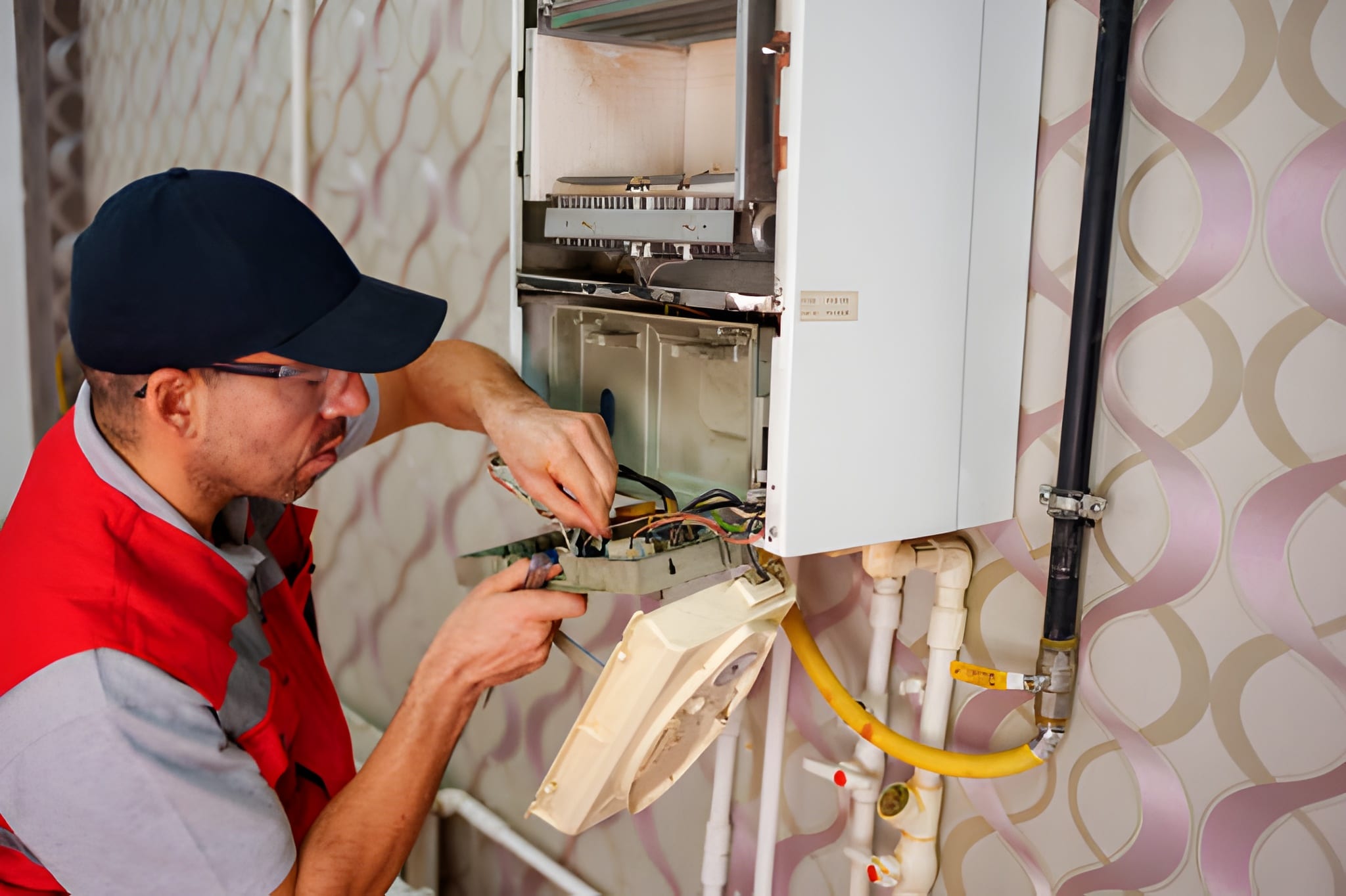
Heating Maintenance in Upland, CA
Keeping your heating system reliable and efficient matters year round in Upland, CA. Even though winters are milder here than in colder regions, inland temperature swings, Santa Ana winds, mountain dust, and seasonal smoke events increase run times and strain heating equipment. A focused heating maintenance program prevents unexpected breakdowns, improves indoor comfort, controls energy costs, and extends equipment life. Below is a clear, decision-focused guide to ongoing heating maintenance programs and what homeowners in Upland should expect and look for.
Why proactive heating maintenance matters in Upland, CA
- Local climate impacts: Upland sees hot summers and cool winters with occasional cold snaps. Systems that run harder during sudden cold stretches are more likely to fail without regular tune-ups. Wildfire smoke and dust from the foothills clog filters faster, reducing airflow and efficiency.
- Safety: Gas furnaces and combustion appliances require regular inspection to prevent carbon monoxide leaks and unsafe combustion.
- Cost control: Routine maintenance keeps systems operating at higher efficiency, which lowers monthly utility bills and reduces expensive emergency repairs.
- Longevity: Proper care extends the usable life of furnaces, boilers, and heat pumps, delaying costly full replacements.
Common heating maintenance issues in Upland, CA
- Clogged filters and reduced airflow from dust, pollen, and wildfire residue
- Dirty burners and inefficient combustion in gas furnaces
- Weak heat output or uneven heating due to improper airflow or thermostat calibration
- Short cycling caused by restricted airflow or faulty controls
- Electrical failures from loose connections or worn capacitors
- Refrigerant leaks and performance loss in heat pumps
- Condensate blockages or drain issues in high-efficiency equipment
- Worn belts and bearings in older blower motors
Typical heating maintenance plans and what they cover
Heating maintenance programs are structured to prevent these common issues through scheduled inspections, routine service, and planned parts replacement. Standard plan elements include:
- Scheduled inspections
- Annual fall tune-up timed before the heating season
- Twice-yearly service for heat pump systems to cover both heating and cooling seasons
- Priority service for members during high-demand periods
- Discounted parts and labor on repairs
- Maintenance checklists and service records to track equipment history
- Performance tracking: run times, temperature differential, and efficiency notes after each visit
- Recommended parts replacement schedule and end-of-life planning
What a typical maintenance visit includes
A thorough heating maintenance visit balances safety checks, cleaning, performance tuning, and documentation. Expect an experienced technician to perform these tasks:
- Visual inspection of entire system and venting
- Replace or inspect air filter and advise on upgrade if indoor air quality is a concern
- Clean burners, combustion chamber, and pilot/ignition assembly on gas units
- Combustion safety checks and carbon monoxide leak testing where applicable
- Inspect and tighten electrical connections, test capacitors and relays
- Lubricate fan motor bearings and check belt condition on belt-driven blowers
- Measure airflow and static pressure to confirm proper distribution
- For heat pumps: check refrigerant level, inspect reversing valve and defrost cycle, and verify thermostat settings
- Inspect condensate lines and traps on high-efficiency units
- Thermostat calibration and controller checks
- Document observations, corrective actions, and a performance summary
Technicians often include simple homeowner-facing tips, such as optimal thermostat setbacks for Upland winters and filter grades better suited to local dust and smoke levels.
Performance tracking and parts replacement schedule
A good maintenance program moves beyond a single visit. Expect clear records and a proactive parts schedule:
- Filter replacement: monthly to quarterly depending on filter type and local air quality. Homes near freeways, construction, or frequent smoke events should replace filters more often.
- Belts and bearings: inspect annually, replace as wear is found; typically replaced every 3 to 5 years in older systems.
- Capacitors and contactors: inspect annually; replace at first sign of failure to avoid sudden motor stops.
- Ignition assemblies and flame sensors: inspect and clean annually; replace when performance is inconsistent.
- Heat exchangers and coils: inspect for cracks, corrosion, and blockages; service or replace based on condition and age.
- Refrigerant components: monitor levels and system performance; schedule repairs immediately for any leak.
Performance tracking metrics typically logged after each visit:
- System run time per cycle and daily usage estimates
- Temperature rise or delta T across the heat exchanger or ducted supply/return
- Combustion efficiency or safety metrics for gas systems
- Refrigerant pressures and compressor amp draw for heat pumps
These records make it easy to spot gradual declines in performance and plan repairs on your schedule rather than in an emergency.
How maintenance reduces breakdowns and extends equipment life
Regular maintenance addresses wear and tear before it becomes a failure. Common outcomes of sustained maintenance include:
- Fewer emergency callbacks during cold snaps
- Improved energy efficiency and lower utility bills
- More consistent indoor comfort and longer, more reliable equipment operation
- Early detection of safety hazards like combustion instability or blocked ventilation
- Smoother budgeting for replacement by identifying end-of-life trends early
Industry best practice is at minimum one comprehensive heating tune-up per year for furnaces and boilers and two services per year for heat pumps. In Upland homes affected by dust and periodic smoke events, more frequent filter changes and attention to airflow will yield the best long-term results.
Final considerations and homeowner tips for Upland residents
- Schedule preventive service before the fall heating season to avoid delays during sudden cold weather.
- Upgrade filters if you experience allergies, wildfire smoke, or dusty conditions often. HEPA-grade or higher MERV filters improve air quality but may require airflow checks when installed.
- Keep outdoor units and return vents clear of debris, leaves, and landscaping that can restrict airflow.
- Note any unusual noises, odors, or frequent cycling — these are early signals to request a maintenance inspection.
- Maintain a log of maintenance visits and performance notes; it helps technicians make faster, more accurate assessments.
A structured heating maintenance program tailored to Upland, CA conditions protects comfort, improves safety, and reduces lifecycle cost. Regular inspections, prioritized service, documented performance, and scheduled parts replacement together keep home heating systems dependable when you need them most.
Customer
Testimonials
Our customers consistently praise the exceptional service and professionalism of our team. They appreciate the honest advice, meticulous work, and the care taken to ensure their satisfaction.

.webp)
Service Areas
