

Heating Tune-up in Simi Valley, CA

Plum HVAC wants to explain how a seasonal heating tune-up in Simi Valley, CA, genuinely enhances your furnace's safety, reliability, and efficiency. We'll outline why regular maintenance truly matters in a county climate with dusty air, Santa Ana winds, and wildfire smoke, and detail our thorough, professional checklist—from filter inspection and burner checks to heat exchanger inspection and duct assessment. We'll also describe our diagnostic process, common local issues, and practical optimization tips, showing homeowners exactly what to expect and how to prepare for a tune-up with Plum HVAC.
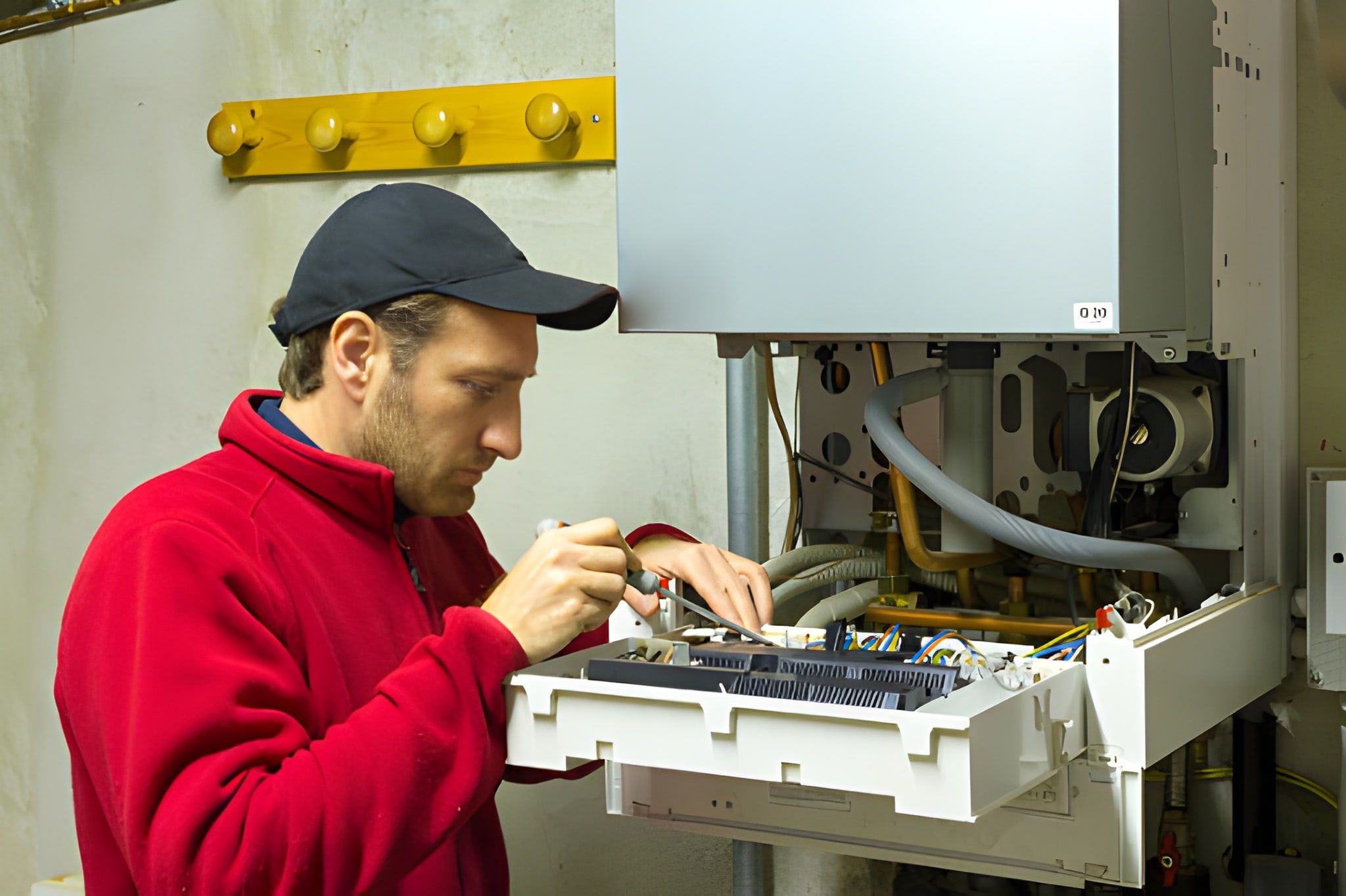
Heating Tune-up in Simi Valley, CA
A seasonal heating tune-up is the single most effective preventative step homeowners in Simi Valley, CA can take to keep furnaces safe, efficient, and reliable through the cooler months. Even though winters here are milder than inland valleys, local conditions—dusty, dry air, seasonal Santa Ana winds, and occasional wildfire smoke—make regular maintenance essential. A comprehensive tune-up reduces breakdown risk, restores system efficiency, improves indoor air quality, and helps extend equipment life.
Why a heating tune-up matters in Simi Valley homes
Simi Valley’s Mediterranean climate means heating systems are used intermittently. When a furnace sits idle for months, dust and small debris collect on filters, burners, and in ductwork. That accumulation can reduce airflow, cause incomplete combustion, and increase wear on moving parts. Nearby wildfire smoke seasons and persistent dust make filter maintenance and airflow checks especially important for local indoor air quality. Regular tune-ups address these local challenges and help homeowners avoid mid-season failures when temps drop overnight.
Typical heating tune-up checklist
A professional Simi Valley heating tune-up should include a thorough, itemized inspection and service. Core checklist items include:
- Filter inspection and replacement: Check filter type, change disposable filters or recommend a cleaning schedule for washable filters.
- Burner and ignition inspection: Clean burners, check ignition sequence, and ensure consistent flame quality.
- Heat exchanger inspection: Visual check for cracks or corrosion that can lead to dangerous carbon monoxide leaks.
- Thermostat calibration: Verify thermostat accuracy and operation to ensure set temperatures match actual room temperatures.
- Safety and carbon-monoxide checks: Test CO levels, inspect flue and venting for blockages or leaks, and verify safety controls and limit switches.
- Airflow and duct assessment: Measure airflow, inspect accessible ducts for leaks, and check blower motor operation.
- Electrical and control checks: Tighten electrical connections, inspect wires, and confirm control board and sensors function properly.
- Lubrication and moving parts: Lubricate bearings and motors where applicable to reduce friction and noise.
- Combustion testing and efficiency check: Where applicable, measure gas pressure and combustion byproducts to evaluate burner efficiency and emissions.
- Performance optimization tips: Recommendations for filter upgrades, programmable thermostat settings, and minor adjustments to maximize comfort and efficiency.
What the diagnostic process looks like
A typical tune-up appointment lasts about 60 to 90 minutes. Technicians will start with a visual inspection, then move to operational checks while the system is running. Key diagnostic steps include:
- Confirming safe startup and shutdown sequences.
- Observing burner flame color and stability to detect fuel-air mixture issues.
- Measuring temperature rise across the heat exchanger to ensure correct heat transfer.
- Testing draft and flue venting to make sure combustion gases evacuate properly.
- Checking blower speed and static pressure to identify airflow restrictions.
- Scanning for unusual vibrations, noises, or leaks that indicate mechanical wear.
When diagnostics uncover issues, the technician will explain the cause in plain language, outline repair options, and prioritize fixes by safety and reliability. For homeowners in Simi Valley, common findings include clogged filters from seasonal dust, minor duct leaks in older homes, and thermostats that need calibration after long idle periods.
Common heating problems and local solutions
- Weak or uneven heat: Often caused by restricted airflow from dirty filters or return vents clogged with dust. Solution: filter replacement, duct inspection, and balancing airflow.
- Frequent cycling on and off: Can result from a dirty flame sensor, blocked burner, or incorrect thermostat calibration. Solution: clean sensors, adjust controls, and verify thermostat placement.
- Yellow or irregular burner flame: A sign of incomplete combustion which can produce carbon monoxide. Solution: burner cleaning and combustion adjustment, plus a heat-exchanger check.
- Higher than expected energy use: Aging or neglected systems can lose efficiency. Solution: tune-up, correct airflow problems, and discuss thermostat programming or insulation improvements.
- Strange odors or poor indoor air quality: Dust and particulate buildup aggravated by wildfire smoke can circulate through heating systems. Solution: higher-efficiency filters and duct cleaning or sealing recommendations.
Benefits of regular tune-ups
- Improved safety: Identifying cracked heat exchangers, venting issues, or CO risks prevents hazardous exposures.
- Consistent comfort: Proper calibration and airflow balance keep temperatures steady across rooms.
- Lower operating costs: A clean, well-adjusted system uses less fuel and runs less frequently to achieve the same comfort.
- Fewer emergency repairs: Preventative maintenance reduces the chance of mid-season breakdowns.
- Longer equipment life: Regular lubrication, cleaning, and small repairs reduce strain on major components.
- Better indoor air quality: Filter changes and duct assessments help reduce dust and smoke particulates circulating in the home.
Performance optimization tips for Simi Valley homes
- Replace or clean filters at the start of the heating season and check monthly during dusty or smoky periods.
- Consider upgrading to a higher MERV filter if your system supports it; it will capture more wildfire and Santa Ana wind-borne particulates.
- Use a programmable or smart thermostat to reduce runtime during cooler nights or when the house is empty.
- Seal and insulate ductwork, especially in older homes and attics, to reduce heat loss and improve airflow.
- Keep vents and returns clear of furniture and debris to maintain balanced airflow.
- Schedule annual tune-ups before the first cold snap—technicians are more available and issues can be resolved before demand rises.
What homeowners can expect after a tune-up
After a comprehensive tune-up in Simi Valley, you should notice steadier temperatures, quieter operation, and cleaner indoor air. The service typically includes a written summary of performed tasks, any issues found, and recommendations for repairs or efficiency upgrades. Addressing recommended repairs promptly helps maintain safety and preserve the improvements achieved by the tune-up.
How to prepare and schedule a tune-up
Plan to have your heating system serviced annually, ideally in early fall before cooler weather arrives or after a prolonged period of non-use. When preparing for a technician visit, clear access to the furnace, thermostat, and main return vents. Be ready to review the system’s service history and any recent issues you’ve noticed such as unusual noises, cycling, or temperature inconsistencies. During scheduling, ask for an appointment window of 60 to 90 minutes and request that the technician provide a detailed checklist and report at the end of the visit.
Customer
Testimonials
Our customers consistently praise the exceptional service and professionalism of our team. They appreciate the honest advice, meticulous work, and the care taken to ensure their satisfaction.

.webp)
Service Areas
