

Heating Maintenance in Simi Valley, CA

Heating maintenance in Simi Valley, CA outlines a tailored service plan designed to prevent unexpected breakdowns, improve furnace and heat pump efficiency, and safeguard indoor air quality. The guide covers common local issues—from seasonal filter clogs to ignition and venting risks—and explains typical inspections, preventive tasks, and maintenance schedules. It also highlights enrollment steps, the benefits of priority service and fixed discounts, and how thorough recordkeeping supports warranties, resale value, and long-term cost control for homeowners.
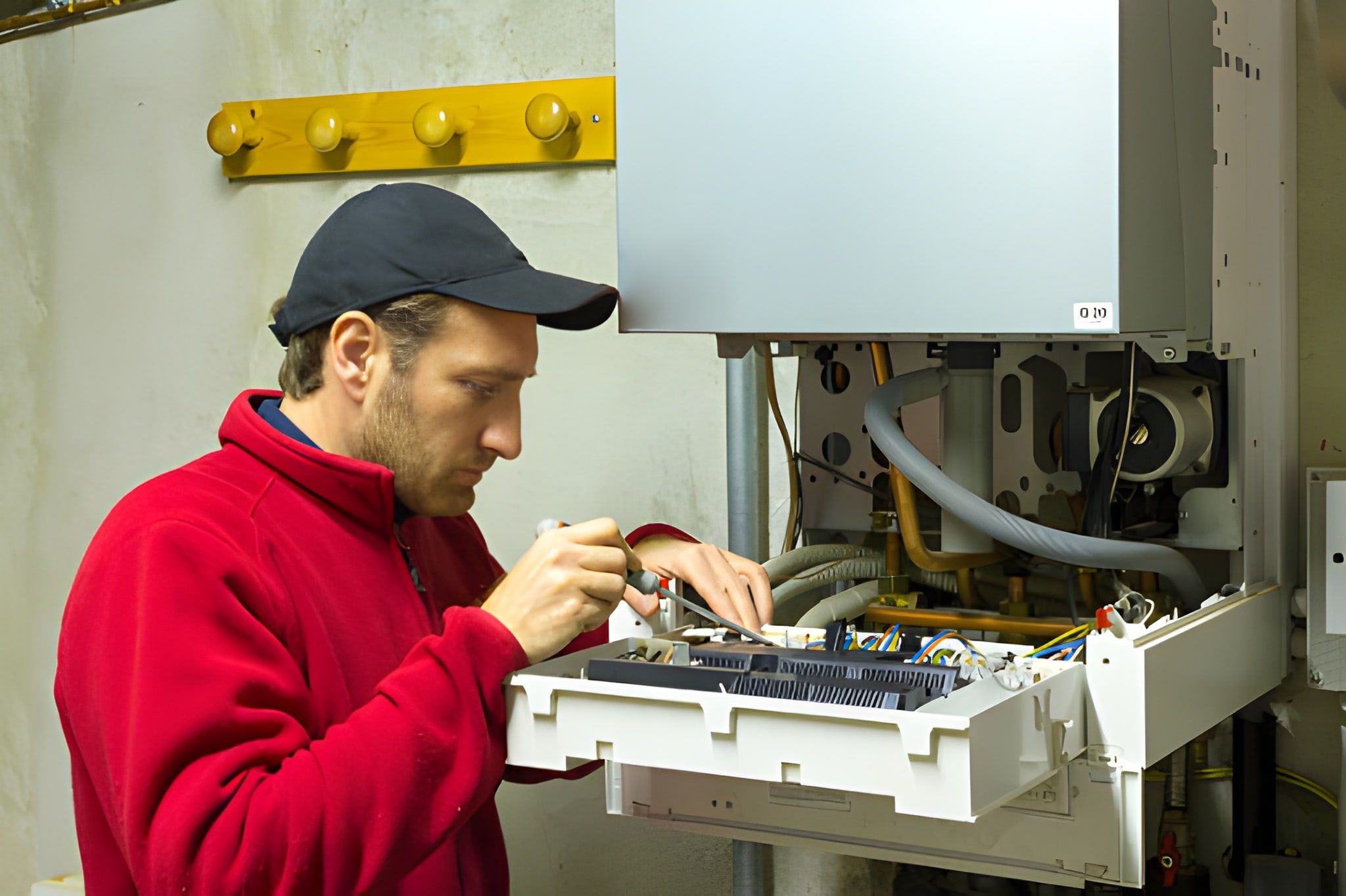
Why a Heating Maintenance Program Matters in Simi Valley
Even though heating demand is lower than in colder climates, Simi Valley homes still rely on furnaces, heat pumps, or gas fireplaces during colder months. Common local pain points include:
- Systems left idle through summer failing when first turned on in fall.
- Increased indoor air pollution during wildfire season that strains filters and blowers.
- Wear from frequent on-off cycles during variable coastal-inland temperatures.A formal maintenance plan addresses these issues proactively, minimizing emergency repairs and reducing long-term costs.
Common Heating Maintenance Issues in Simi Valley
Members of ongoing maintenance programs commonly avoid or quickly resolve these problems:
- Dirty or clogged filters reducing airflow and indoor air quality
- Faulty or drifting thermostat settings causing uneven heating
- Ignition, pilot, or burner issues that lead to failed starts
- Worn blower motors or belts that cause noise and reduced performance
- Blocked or deteriorating venting and flue components creating safety risks
- Heat exchanger cracks and carbon monoxide risks from neglected inspections
What a Typical Scheduled Inspection Includes
A professional heating maintenance visit follows a consistent checklist to protect performance and safety. Typical tasks performed during scheduled inspections:
- Visual safety inspection of the furnace or heat pump and flue or venting
- Combustion analysis and carbon monoxide (CO) testing where applicable
- Cleaning and inspection of burners, pilot assemblies, and ignition systems
- Lubrication of moving components and inspection of blower motor and belts
- Measurement of system airflow and verification of proper thermostat calibration
- Condensate line and drain check for high-efficiency systems
- Inspection and cleaning of heat exchanger or reversing valve on heat pumps
- Filter check and recommendation or replacement based on agreed schedule
- Documentation of system condition and recommended repairs
Preventive Maintenance Tasks Included in Service Plans
Maintenance agreements typically specify recurring preventive tasks to keep systems running at peak efficiency:
- Scheduled filter replacements or changes with member pricing for upgraded filters
- Seasonal tune-ups timed before heating season and, for heat pumps, a spring check
- Priority diagnostics and scheduling for member repair requests
- Discounted parts and labor rates for covered repairs
- Annual safety and CO testing with recorded results
- Seasonal adjustments for systems affected by local wildfire smoke and dust
Benefits You Can Expect from a Maintenance Agreement
Enrolling in a heating maintenance program delivers measurable benefits to Simi Valley homeowners:
- Reduced risk of mid-season breakdowns through early detection of issues
- Improved energy efficiency, which can lower gas or electric heating costs
- Longer equipment lifespan by preventing accelerated wear
- Better indoor air quality, especially during wildfire events, through proactive filter management
- Faster scheduling for repairs during peak season because members receive priority
- Clear service records and reminders that preserve warranty coverage and resale value
How Enrollment Typically Works
Maintenance agreements are structured to be simple and predictable. A common enrollment process includes:
- Select a plan that matches your system type (furnace, heat pump, hybrid system) and desired frequency of visits.
- Schedule an initial inspection and first seasonal tune-up to establish baseline condition and any immediate needs.
- Receive a written plan that outlines visit frequency, included tasks, member benefits, and recordkeeping procedures.
- Sign the agreement and begin receiving scheduled services, priority scheduling, and member discounts.
- Get automated reminders and service reports after each visit, plus an annual summary of work completed and recommendations.
Recordkeeping, Reminders, and Documentation
One of the most valuable parts of a maintenance program is organized recordkeeping:
- Each visit is logged with notes on performance, service performed, and parts replaced.
- You receive reminders for upcoming seasonal tune-ups and recommended filter changes.
- Detailed reports support warranty requirements and provide a maintenance history that can add value at resale.
Maintenance Tips for Simi Valley Homes
While professional maintenance is essential, these homeowner practices help keep systems healthy between visits:
- Replace basic disposable filters monthly during heavy use seasons, and consider higher MERV or HEPA-compatible filters if wildfire smoke is present.
- Keep vents and registers unobstructed and clear of dust and debris.
- Test CO detectors monthly and replace batteries as recommended.
- Schedule your annual heating tune-up in late summer or early fall before the heating season begins.
- Seal drafts and improve insulation to reduce heating cycles and system strain.
A consistent heating maintenance agreement delivers peace of mind, measurable energy savings, and safer indoor environments for Simi Valley homes. By combining scheduled inspections, preventive tasks, priority service, and documented records, a maintenance program reduces breakdown risk, improves efficiency, and extends equipment life—especially important here where seasonal air quality events and variable temperatures increase system demands. A properly managed program is a practical investment in comfort, safety, and long-term cost control.
Customer
Testimonials
Our customers consistently praise the exceptional service and professionalism of our team. They appreciate the honest advice, meticulous work, and the care taken to ensure their satisfaction.

.webp)
Service Areas
