

Heating Tune-up in Santa Clarita, CA

Heating tune-ups in Santa Clarita, CA, from Plum HVAC provide safe, efficient, and reliable operation through proactive inspection, cleaning, and calibration. Our regular service identifies dirty filters, ignition issues, duct leaks, and control miscalibration before they cause costly breakdowns. A comprehensive checklist covers filters, heat exchangers, sensors, safety controls, airflow, and refrigerant checks for heat pumps. Our process blends thorough diagnosis with effective preventive maintenance, offers flexible scheduling, and can support maintenance plans that prioritize priority service, warranty compliance, and significantly reduced emergency calls.
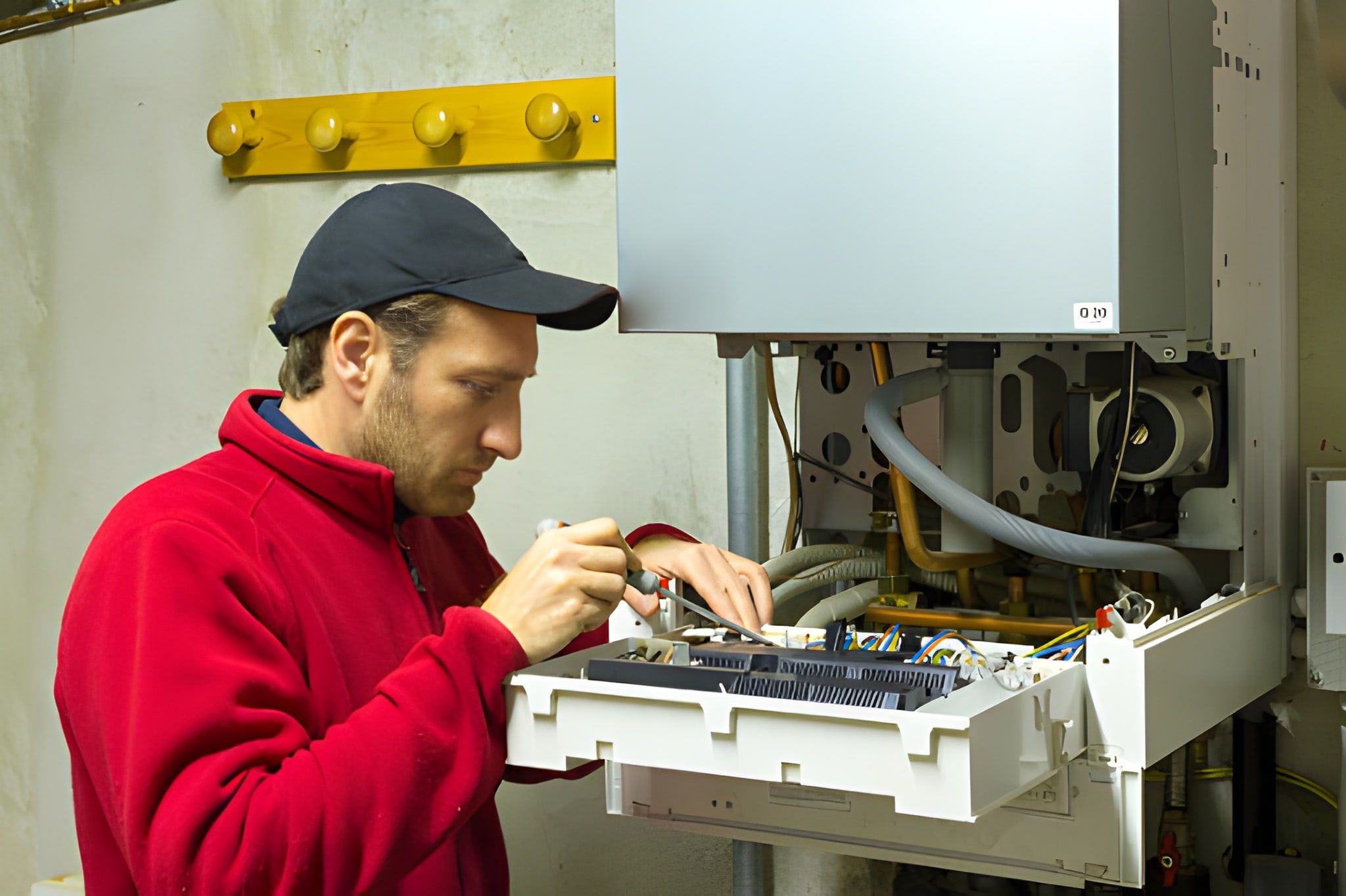
Heating Tune-up in Santa Clarita, CA
A seasonal heating tune-up keeps your system running safely, efficiently, and reliably when Santa Clarita nights get chilly. Even though winters in Santa Clarita are milder than many parts of the country, temperature swings, nighttime lows, and air-quality events from wildfires make dependable heating and clean indoor air important. Regular tune-ups reduce the risk of mid-season breakdowns, improve comfort, lower utility costs, and extend equipment life — all critical for homeowners who want predictable performance and safer operation.
Why a heating tune-up matters in Santa Clarita
- Santa Clarita homes often run heating systems intermittently. Intermittent use lets dust and debris build up during the long off-season, increasing wear when the system restarts.
- Wildfire smoke, seasonal Santa Ana winds, and local dust increase filter loading and indoor air contaminants. That makes filter checks and airflow inspections especially important.
- Mild but variable winters mean you may notice comfort issues only at night. A tune-up identifies problems before they become emergency repairs on a cold evening.
- Safety: gas furnaces and combustion appliances need inspection for proper combustion and carbon monoxide risk; heat pump systems need checks for proper defrost and reversing operation.
Common heating tune-up issues in Santa Clarita homes
- Dirty or clogged filters reducing airflow and efficiency
- Weak combustion or improper burner operation in gas furnaces
- Cracked or corroded heat exchangers creating safety hazards
- Faulty ignition or pilot assembly causing unreliable starts
- Thermostat drift or poor calibration leading to inaccurate temperatures
- Restricted ductwork, leaks, or poor airflow causing uneven heating
- Low refrigerant or failing components in heat pump systems
- Electrical loose connections or worn capacitors causing intermittent failures
Typical heating tune-up checklist
A professional seasonal tune-up usually follows a comprehensive checklist to confirm safe, efficient operation. Typical items include:
- Filter change or inspection and recommendations for higher-MERV options when indoor air quality is a priority
- Burner and heat exchanger inspection to ensure clean combustion and no cracks or corrosion
- Ignition and pilot checks (including electronic ignitors or hot surface igniters) for reliable starts
- Thermostat inspection and calibration to ensure setpoint accuracy and proper control logic
- Safety control tests including limit switches, flame sensors, and carbon monoxide monitors where applicable
- Airflow and duct inspection to detect blockages, leaks, or disconnected runs that reduce efficiency
- Blower motor and belt inspection; lubrication and adjustments as needed
- Electrical system check for tight connections, correct voltages, and signs of overheating
- Heat pump-specific checks: refrigerant level review, reversing valve operation, defrost cycle performance, and outdoor coil condition
- Combustion analysis (for gas appliances) to verify proper fuel-air mixture and safe exhaust venting
- System performance verification: run the system through a cycle and confirm temperature rise, airflow, and noise levels
What the tune-up process looks like
A professional tune-up balances diagnostics and preventive maintenance. Technicians begin with a visual inspection to identify obvious issues, then move to system tests and component-level checks. Common steps:
- Confirm homeowner concerns and review past service history if available.
- Replace or clean the air filter and inspect filter housing for dust migration.
- Run the system to observe start-up: verify ignition sequence, flame stability, and thermostat response.
- Measure electrical loads and inspect wiring for hot spots or loose terminals.
- Inspect and test safety controls and combustion components (gas valve, burners, heat exchanger).
- Check blower wheel, motor amperage, and belt condition; adjust airflow settings.
- Assess ductwork access points for leaks, insulation gaps, and return air restrictions.
- For heat pumps, measure refrigerant pressures, observe outdoor unit operation, and test defrost cycle.
- Calibrate thermostat and review settings such as setback schedules or programmable features.
- Provide a written summary of findings and recommend repairs or improvements when necessary.
Typical repairs and solutions discovered during tune-ups
- Replacing dirty filters, cleaning blower wheels, and clearing condensate traps restores airflow and reduces strain.
- Adjusting burners, cleaning electrodes, or replacing ignitors improves ignition reliability.
- Minor duct sealing and register balancing can correct uneven rooms without major equipment work.
- Replacing worn capacitors or tightening electrical connections eliminates intermittent failures and reduces fire risk.
- Refrigerant charge adjustments or simple component replacements for heat pumps restore heating capacity.
- If a heat exchanger shows signs of cracking or severe corrosion, replacement is recommended because of safety concerns.
- Thermostat replacement or recalibration can resolve temperature inaccuracies and improve comfort control.
Frequency and scheduling options
- Annual fall tune-ups are recommended before the first sustained cold spell. Many homeowners schedule service in early fall when technicians can focus on heating systems before winter demand peaks.
- For homes with heat pumps or year-round HVAC use, consider semi-annual checks timed with spring and fall transitions.
- Scheduling options often include one-time seasonal tune-ups, recurring annual maintenance, or flexible windows to accommodate homeowner schedules and peak seasonal demand.
- Membership or maintenance plans typically include priority booking for seasonal service windows, reminders for scheduled maintenance, and expedited response during high-demand periods.
Membership and maintenance-plan perks (what to expect)
Maintenance plans for heating systems are designed to reduce surprises and keep equipment operating efficiently. Common benefits:
- Priority scheduling during seasonal service windows and peak weather events
- Routine inspections and documented maintenance visits to preserve warranty compliance
- Discounts on diagnostic or repair labor and parts during covered visits
- Seasonal reminders and a consistent service history to help with long-term equipment decisions
- Safety checks that reduce carbon monoxide risk and help identify issues early
Bottom-line benefits of regular heating tune-ups for Santa Clarita homeowners
- Improved energy efficiency and lower monthly heating costs through cleaner components and optimized controls
- Fewer unexpected breakdowns and avoiding emergency service calls on cold evenings
- Longer equipment life by reducing wear caused by restricted airflow, poor combustion, or electrical stress
- Better indoor air quality in a region affected by dust and wildfire smoke
- Greater safety through verified combustion performance and functioning safety controls
Customer
Testimonials
Our customers consistently praise the exceptional service and professionalism of our team. They appreciate the honest advice, meticulous work, and the care taken to ensure their satisfaction.

.webp)
Service Areas
