

Heating Maintenance in Santa Clarita, CA

This page outlines why regular heating maintenance matters in Santa Clarita, CA, detailing how seasonal conditions, dust, wildfire smoke, and thermal cycling affect system reliability and efficiency. It describes recommended inspection intervals, including annual tune-ups, biannual HVAC plans, and seasonal checks, plus the typical scope of a maintenance visit—from safety checks and filter care to heat exchanger inspection and thermostat calibration. It also explains plan tiers, enrollment, recordkeeping, warranty considerations, and how proactive maintenance extends equipment life and reduces unexpected downtime.
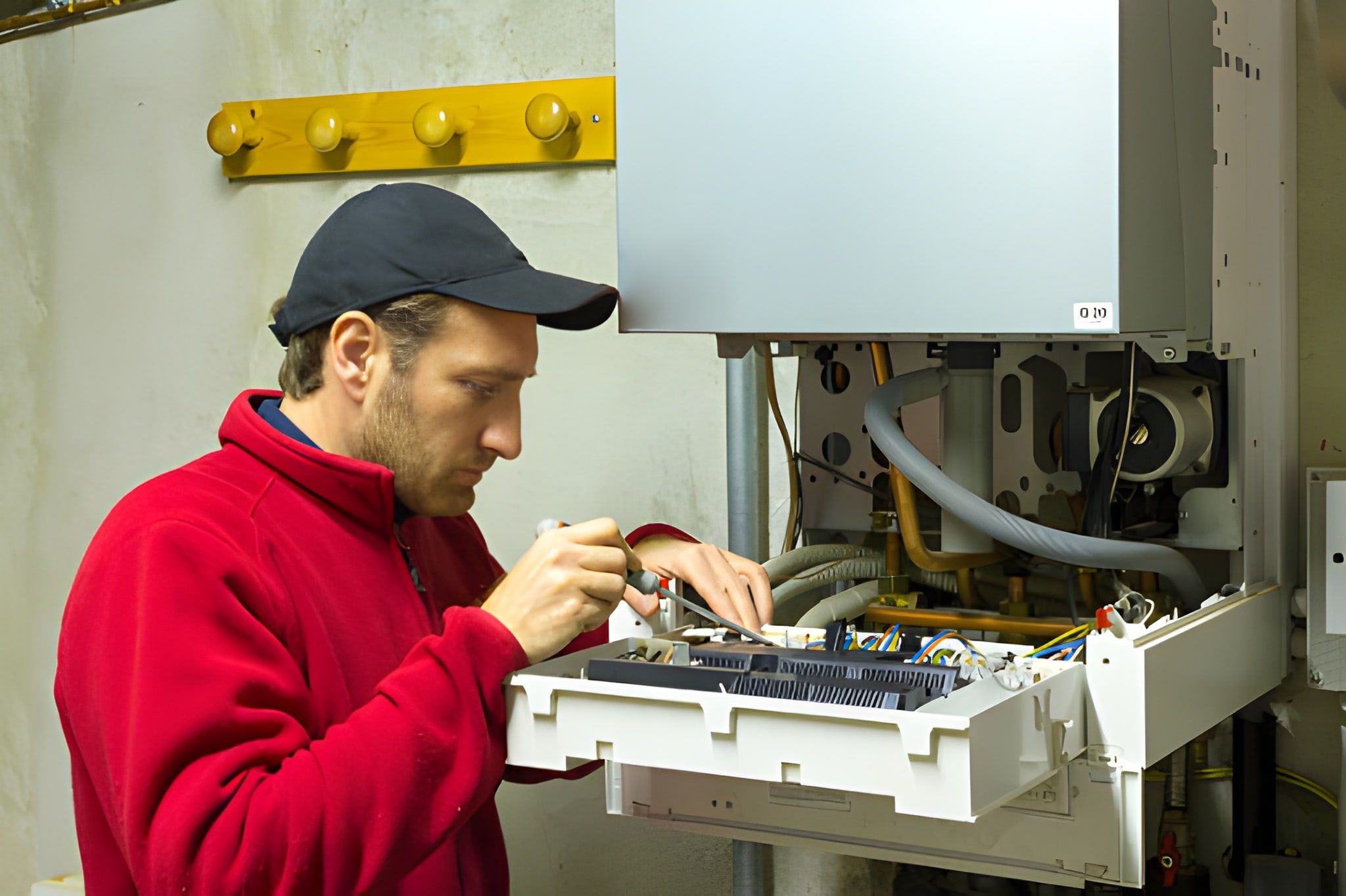
Why scheduled heating maintenance matters in Santa Clarita homes
- Santa Clarita summers are hot and dry, and the dust and pollen that build up in systems all year increase wear on burners, motors, and filters.
- Wildfire smoke and airborne particulates during fire season raise indoor air quality concerns and can accelerate clogging of filters and heat exchangers.
- Even with mild winters, irregular use and thermal cycling stress components; a pre-winter inspection catches developing problems before the first cold night.
Regular maintenance is not just a checklist. It is a preventive plan that reduces the chance of unexpected failures during high-demand periods and helps your system maintain efficiency and safety.
Typical inspection intervals and program options
- Annual heating tune-up (recommended): a full inspection and service visit scheduled once each year before the heating season starts.
- Biannual combined HVAC program: two scheduled visits per year for homes that want both heating and cooling serviced on a set cadence.
- Seasonal priority checks: short pre-season checks for homes in high-risk areas (heavy smoke, dust storms, or recent construction).
Most homeowners see the greatest value from an annual comprehensive visit timed for fall. Biannual plans suit homes that prefer a single provider to manage both heating and cooling.
What technicians do during each maintenance visit
A professional heating maintenance visit typically covers safety, performance, and cleanliness tasks to ensure reliable operation. Common tasks include:
- Visual system inspection and operational test to identify obvious issues and confirm safe start-up
- Replacement or cleaning of air filters and inspection of duct filters for excessive buildup
- Combustion system check (for gas furnaces): burners, pilot or direct ignition, and flame quality
- Heat exchanger inspection for cracks, corrosion, and proper venting to protect indoor air quality
- Flue and vent system assessment to confirm proper exhaust and combustion airflow
- Blower motor and fan inspection, cleaning, and lubrication where applicable
- Electrical connection checks and tightening to reduce arcing and component stress
- Thermostat calibration and control verification to ensure accurate temperature control
- Safety control tests including limit switches and pressure switches
- Condensate drain inspection and clearing for systems that produce condensate
- System performance evaluation, including airflow and basic efficiency observations
- Documentation of findings and recommended repairs, plus clear records of work performed
Technicians tailor the checklist to your system type: gas furnace, electric furnace, or heat pump.
Priority service, plan member benefits, and discounts
Being part of a maintenance program typically includes benefits designed to reduce downtime and control costs:
- Priority scheduling during peak cold snaps so plan members are seen ahead of non-members
- Reduced diagnostic or service call fees on repairs reported during membership periods
- Preferred pricing on replacement parts and labor compared to standard retail service rates
- Waived or reduced trip charges for emergency visits, depending on plan tier
- Special seasonal reminders and fast-track scheduling for pre-season tune-ups
These benefits make planning predictable and minimize the disruption of unexpected repairs during the season.
Recordkeeping, reminders, and warranty compliance
A clear maintenance history is important for both system performance and warranty retention:
- Professional programs provide documented service records after every visit, including details of inspections, parts replaced, and recommended follow-ups
- Scheduled reminder systems—via email, text, or mail—help you stay on top of inspections before the heating season
- Many manufacturers require documented annual maintenance to keep warranties valid; having an up-to-date service log supports claims when parts fail under warranty
Keeping records organized also helps future technicians diagnose problems more quickly because they can see the system history.
How maintenance extends equipment life and preserves warranty validity
Regular, professional maintenance reduces stress on moving parts, prevents small issues from becoming major failures, and keeps combustion and electrical systems operating safely. Benefits include:
- Lower likelihood of emergency breakdowns and longer intervals between major repairs
- Stabilized operating efficiency so the system does not work harder than necessary to reach set temperatures
- Early detection of worn parts, allowing for planned, less expensive repairs
- Documented maintenance to meet warranty terms and protect manufacturer coverage
Together, these effects can add meaningful service life to your heating equipment and maintain the value of your investment.
Common heating maintenance issues in Santa Clarita
- Clogged filters and restricted airflow from dust, pollen, and ash after fire events
- Dirty burners, flame irregularities, or ignition failures in gas systems due to infrequent use
- Thermostat inconsistencies caused by debris or improper calibration
- Corroded venting or blocked flues from animal nests or dust accumulation
- Blower motor wear from particulate buildup and lack of lubrication
Proactive maintenance targets these common local issues before they cause system failure.
Maintenance plan tiers and enrollment overview
Maintenance programs are typically offered in tiered plans to match different homeowner needs:
- Basic tier: annual heating inspection and cleaning, filter check, basic safety tests, and service record
- Preferred tier: annual visit plus priority scheduling, discounts on parts and labor, and mid-season filter replacement
- Premium tier: biannual visits (heating and cooling), extended priority service, larger parts discounts, and waived emergency trip fees
Enrollment generally requires sharing system make, model, and age so the first visit can be scheduled at the right time. After that, members receive scheduled reminders and service documentation.
Final notes and homeowner tips
- Schedule your heating inspection before the cold weather arrives to avoid peak-season delays.
- Replace disposable filters more frequently during dust or smoke seasons.
- Keep vents and outdoor intake areas clear of debris and vegetation.
- Track the system age and service history; older systems often benefit most from consistent preventive maintenance.
Regular heating maintenance tailored for Santa Clarita conditions provides comfort, safety, and long-term cost control. A consistent maintenance program turns seasonal uncertainty into predictable, reliable performance when you need it.
Customer
Testimonials
Our customers consistently praise the exceptional service and professionalism of our team. They appreciate the honest advice, meticulous work, and the care taken to ensure their satisfaction.

.webp)
Service Areas
