

Heating Tune-up in San Dimas, CA

San Dimas homeowners can rely on a professional heating tune-up to keep furnaces safe, efficient, and reliable. The service addresses seasonal dust, debris, and performance issues before winter, inspecting combustion, filters, heat exchangers, ignitions, thermostats, blowers, and safety controls. It includes cleaning, calibration, and performance testing, plus a detailed report with recommendations. Regular tune-ups improve efficiency, reduce midseason failures, extend equipment life, and support indoor air quality. Schedule ahead of the heating season for best results.
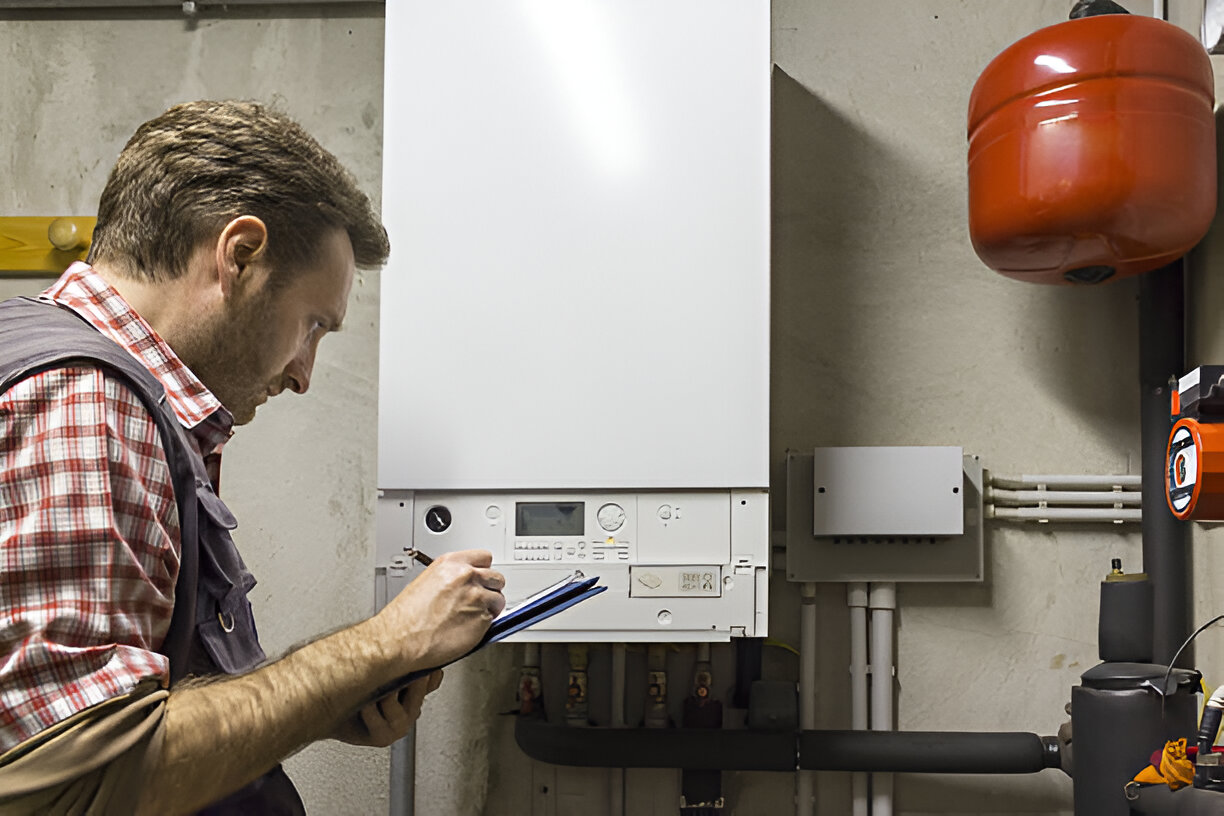
Heating Tune-up in San Dimas, CA
Keeping your heating system tuned and functioning is essential for comfort, safety, and efficiency in San Dimas, CA. Even though winters here are milder than in many regions, cold nights, valley temperature inversions, and seasonal dust from nearby foothills create conditions that put extra strain on furnaces and heating equipment. A professional heating tune-up addresses performance, reduces breakdown risk, and helps protect indoor air quality for homes across San Dimas.
Why a seasonal heating tune-up matters in San Dimas
San Dimas homes experience temperature swings between warm days and cool nights, increased dust during dry periods, and occasional chilly snaps that push older systems harder. These regional factors cause filters and burners to accumulate debris faster, and small problems that go unnoticed now can lead to midseason failures or unsafe conditions later. A tune-up before heating season restores efficiency and identifies safety issues like combustion problems or cracked heat exchangers before they become emergencies.
Common heating tune-up issues in San Dimas
- Dirty or clogged air filters from seasonal dust and winds, reducing airflow and efficiency
- Improper thermostat calibration leading to uneven comfort or short cycling
- Weak ignition or pilot system failures that cause intermittent heating or no heat
- Soot or debris buildup on burners and heat exchangers, lowering efficiency and increasing combustion byproducts
- Worn blower components and belt issues that reduce airflow and increase noise
- Blocked flue or ventilation problems affecting safe combustion and draft
- Carbon monoxide risk from cracked heat exchangers or poor venting
- Reduced system performance after prolonged summer idle or inconsistent maintenance
What a professional heating tune-up includes
A thorough seasonal heating tune-up covers inspection, cleaning, adjustment, and testing. Typical tasks include:
- Combustion and safety checks: Inspect combustion chamber and heat exchanger for cracks or soot. Perform carbon monoxide checks and verify venting and flue draft to ensure safe exhaust of combustion gases.
- Burner and heat exchanger cleaning: Remove debris and soot from burners and heat exchanger surfaces to restore proper combustion and efficiency.
- Ignition and pilot inspection: Test and clean pilot assembly, electronic ignitor, or hot surface ignition; replace worn components if needed.
- Thermostat calibration: Verify thermostat accuracy and setpoints, recalibrate if necessary for consistent comfort and reduced cycling.
- Filter inspection and replacement: Check filter type and condition, recommend or install the correct filter to match your system and indoor air quality needs.
- Blower motor and airflow checks: Clean blower assembly, lubricate bearings where applicable, measure airflow and static pressure to confirm proper distribution.
- Electrical and safety control tests: Inspect wiring, relays, safety switches, and control board operation for reliability.
- System performance testing: Measure temperature rise, fuel pressure, efficiency indicators, and run tests that simulate normal operation to confirm stable performance.
- Documentation and recommendations: Provide a clear report of findings, repairs performed, and suggested next steps for efficiency, safety, or replacement planning.
How tune-ups improve performance and safety
- Better efficiency: Clean burners and properly tuned combustion reduce fuel waste and lower operating costs.
- Increased reliability: Identifying worn parts and correcting causes of failure reduces midseason breakdowns.
- Improved safety: Combustion testing and heat exchanger inspection protect against carbon monoxide and fire hazards.
- Longer equipment life: Regular maintenance decreases wear and can extend the service life of furnaces and heat pumps.
- Enhanced comfort and indoor air quality: Proper airflow, thermostat calibration, and fresh filters prevent hot or cold spots and lower dust levels.
Diagnostic outcomes and common repairs explained
During a tune-up a technician may identify issues that require repair. Typical repairs and what they mean for your system:
- Ignition system replacement: When electronic ignitors fail, the system may not start. Replacing the ignitor restores reliable starting without affecting other system components.
- Heat exchanger concerns: Cracks or significant corrosion in a heat exchanger are serious safety issues. Small repairs are rare; replacement is often recommended to prevent carbon monoxide risk.
- Blower motor or capacitor replacement: If airflow is reduced due to motor wear or failing start capacitors, replacing these parts restores proper circulation and reduces strain on the system.
- Control board or sensor replacement: Faulty controls or sensors can cause erratic operation; swapping them out stabilizes system behavior.
- Duct or vent cleaning recommendations: If airflow tests show restrictions, targeted duct cleaning or vent clearance can significantly improve heating distribution.
How often to schedule a tune-up and membership options
- Recommended frequency: At minimum, schedule a professional heating tune-up annually before the heating season begins. For older systems, homes with pets, severe seasonal dust, or families with health concerns, consider tune-ups twice a year.
- Membership or maintenance plans: Common maintenance plans include annual heating inspections, priority scheduling during peak season, discounted repair labor and parts, seasonal filter deliveries or replacements, and documented service history for resale value. A maintenance agreement helps ensure regular care and typically improves response times when repairs are needed.
Signs you should schedule a tune-up now
Watch for these indicators that your system needs attention: uneven heating across rooms, unexplained increases in energy use, frequent short cycling, a yellow pilot light, unusual noises from the furnace or vents, noticeable soot or burnt smells, or a triggered carbon monoxide alarm. Addressing these signs early during a tune-up often prevents larger, costlier failures.
Final considerations for San Dimas homeowners
Routine heating tune-ups are an investment in safety, comfort, and long-term savings. In San Dimas, where seasonal dust and temperature swings are common, timely maintenance helps your system run efficiently through cool spells and sudden changes. A documented tune-up also provides peace of mind and a clearer picture of when repairs or replacement will be needed, allowing homeowners to plan ahead without surprises.
Customer
Testimonials
Our customers consistently praise the exceptional service and professionalism of our team. They appreciate the honest advice, meticulous work, and the care taken to ensure their satisfaction.

.webp)
Service Areas
