

Heating Installation in San Dimas, CA

Heating installation in San Dimas, CA follows a detailed process designed to ensure safe, efficient, and code-compliant performance. It begins with an on-site assessment and precise Manual J load calculations to determine proper system sizing, followed by permitting, professional installation, and post-installation testing to verify performance. Homeowners can choose from gas furnaces, heat pumps, boilers, or ductless mini-splits, with attention to ventilation, efficiency, and California building standards. The process includes clear timeline milestones, warranty coverage, and options for financing or rebates. Ongoing maintenance recommendations help preserve comfort, reliability, and long-term system value.
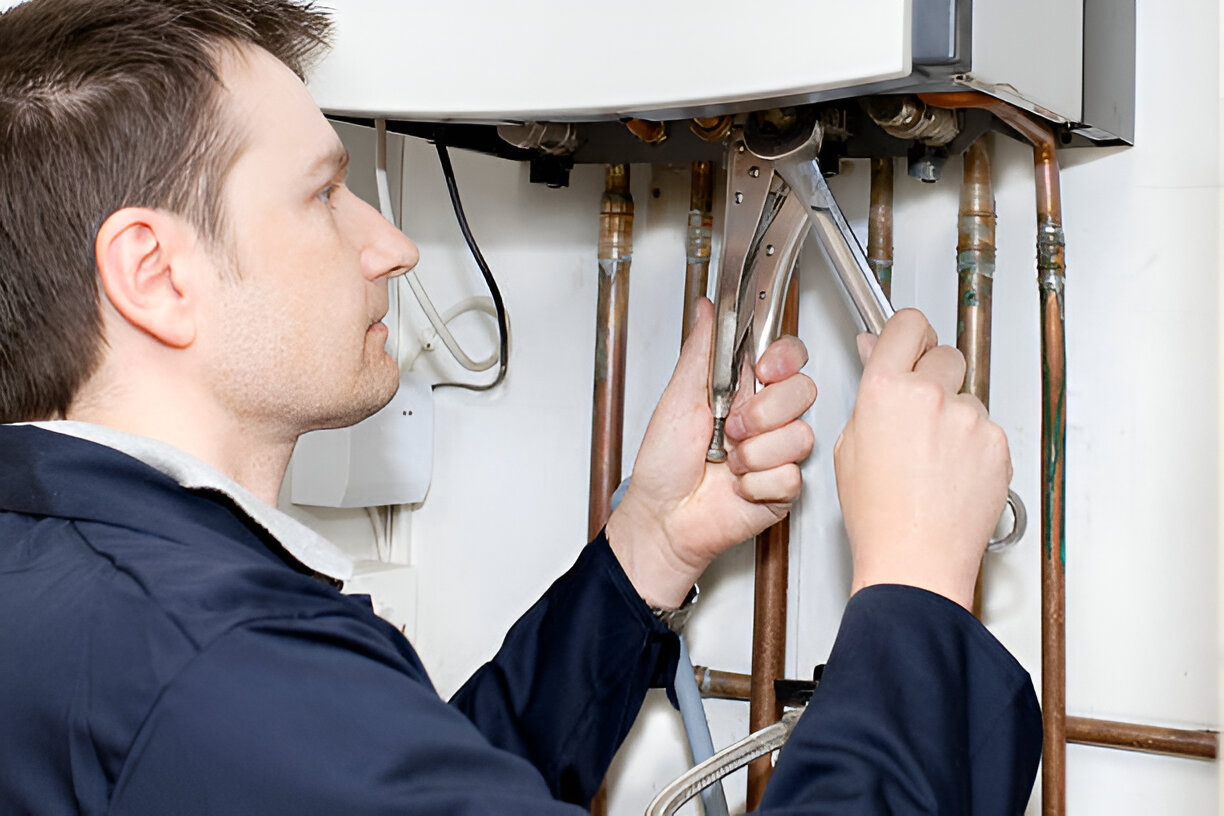
Heating Installation in San Dimas, CA
A proper heating installation keeps your home comfortable, efficient, and safe through San Dimas winters and the cool nights that follow hot summer days. Whether you are replacing an aging furnace, switching to a heat pump, or installing a new boiler or ductless system, this page explains the full installation process: from home assessment and load calculations to permitting, install day expectations, post-install testing, rebates and financing, and warranties tailored to San Dimas homes.
Why a professional heating installation matters in San Dimas
San Dimas has a Mediterranean climate with hot summers and mild but occasionally chilly winters. That makes system selection and sizing critical: oversizing wastes energy and short-cycles equipment, while undersizing leaves you cold on the occasional cold snap. Local air quality concerns from seasonal wildfires also make proper ventilation and filtration an important part of a heating system design. A professional installation ensures safety, compliance with California energy rules, and optimized efficiency for local conditions.
Common heating installation types for San Dimas homes
- Gas furnaces: Common where natural gas is available. Good for fast, high-output heat in colder nights.
- Heat pumps (air-source and ductless mini-split): Highly efficient in moderate climates like San Dimas. Provide both heating and cooling and can qualify for state or federal incentives.
- Boilers: Hydronic systems for homes with radiators or in-floor heating. Better for even, comfortable heat and certain home layouts.
- Ductless mini-splits: Ideal for additions, homes without ductwork, or room-by-room control.
- Hybrid systems: Pairing a heat pump with a gas furnace for cold-weather performance and peak efficiency.
Home assessment and load calculations
A reliable installation begins with a thorough on-site assessment and accurate load calculation:
- Inspect insulation, windows, orientation, and attic and wall conditions.
- Perform a Manual J load calculation to determine the correct system size.
- Check existing ductwork and airflow (Manual D recommendations) or recommend ductless options if ducts are inadequate.
- Evaluate combustion appliance safety if replacing a gas appliance and verify venting and clearances.
Accurate sizing prevents short cycling, excessive wear, and unnecessary energy costs — especially important in San Dimas where daily temperature swings can be significant.
Ductwork and ventilation considerations
- Duct evaluation: Older ducts in San Dimas homes may have leaks, poor insulation, or improper sizing. Duct leakage testing and sealing improve efficiency and comfort.
- Ventilation and IAQ: With regional wildfire smoke, integrating higher MERV filters, whole-home air purifiers, or ERV/HRV systems can protect indoor air quality while maintaining balanced ventilation.
- Return and supply balancing: Properly balanced systems ensure even temperatures across rooms and reduce stress on the equipment.
Permitting and code compliance
Installations in San Dimas are subject to California building and energy codes:
- Compliance with the California Energy Code (Title 24) is required for most replacements and new installations.
- Mechanical and building permits are typically required; the local jurisdiction reviews equipment, venting, and safety measures.
- Gas line work and certain electrical modifications must be performed to code and may require licensed tradespeople.
A compliant installation avoids costly rework and ensures eligibility for certain rebates and warranty requirements.
Installation timeline and what to expect on install day
Typical timeline:
- Initial assessment and estimate: 1 visit
- Permit review and ordering equipment: 1–3 weeks (varies with equipment availability)
- Installation day: 1–3 days depending on system complexity
What happens on install day:
- Removal of old equipment and safe disposal or recycling.
- Installation of new equipment, including setting condensers, mounting indoor units, and running refrigerant lines or gas piping.
- Duct modifications, thermostat installation, and sealing of connections.
- Clean-up of the work area so your home is left tidy.
Technicians will coordinate indoor and outdoor work to minimize disruption and ensure safe handling of fuel lines and refrigerants.
Post-install testing and commissioning
Post-install checks confirm the system performs as designed:
- Combustion safety testing and carbon monoxide checks for gas systems.
- Refrigerant charge verification and superheat/subcooling checks for heat pumps.
- Airflow measurements and static pressure checks across the system.
- Thermostat calibration and control verification, including zoning if installed.
- Duct leakage test and balancing where applicable.
- Documentation of performance values and instructions for operation and filter replacement.
Commissioning provides proof the system meets the load calculations, code requirements, and manufacturer specifications.
Available rebates, incentives, and financing options
San Dimas residents often qualify for incentives that reduce upfront costs:
- Utility rebates: Local providers such as Southern California Gas Company and Southern California Edison periodically offer rebates for high-efficiency furnaces, boilers, and heat pumps.
- State and federal incentives: California programs and federal tax incentives may apply for high-efficiency heat pumps or electrification upgrades.
- Manufacturer and lender financing: Many homeowners use manufacturer warranties combined with third-party financing, PACE programs, or energy-efficiency loan options to spread costs.
Prepare for rebate applications by keeping permit paperwork, equipment model numbers, and proof of installation and commissioning. Eligibility depends on current programs and specific equipment.
Warranty and ongoing service
- Manufacturer warranty: Typically covers parts (compressors, heat exchangers) for a defined period. Register equipment to activate full warranty coverage.
- Labor warranty: Many installers provide a separate labor warranty for workmanship and installation-related issues. Keep documentation of the work and post-install testing.
- Maintenance plans: Annual tune-ups extend lifespan and uphold efficiency and warranty conditions. Routine filter changes, safety checks, and seasonal tune-ups are especially important in areas affected by wildfire smoke.
Final considerations for San Dimas homeowners
Installing a new heating system is a long-term investment in comfort, safety, and energy efficiency. For San Dimas homes, prioritize accurate sizing, systems that handle wide daily temperature swings, and filtration/ventilation strategies that address regional air quality concerns. Proper permits, testing, and warranty registration protect your investment and ensure the system performs optimally for years.
Customer
Testimonials
Our customers consistently praise the exceptional service and professionalism of our team. They appreciate the honest advice, meticulous work, and the care taken to ensure their satisfaction.

.webp)
Service Areas
