

Heating Tune-up in Rosemead, CA

Heating tune-up services in Rosemead, CA provide thorough inspection, cleaning, and testing to keep heating systems safe, efficient, and reliable. Each visit includes filter replacement, thermostat calibration, burner and heat exchanger checks, lubrication, airflow and efficiency assessments, electrical inspections, and carbon monoxide testing. The service also includes detailed diagnostics, maintenance recommendations, and flexible scheduling options. With regular tune-ups, Rosemead homeowners benefit from improved comfort, better air quality, lower energy costs, and extended equipment life.
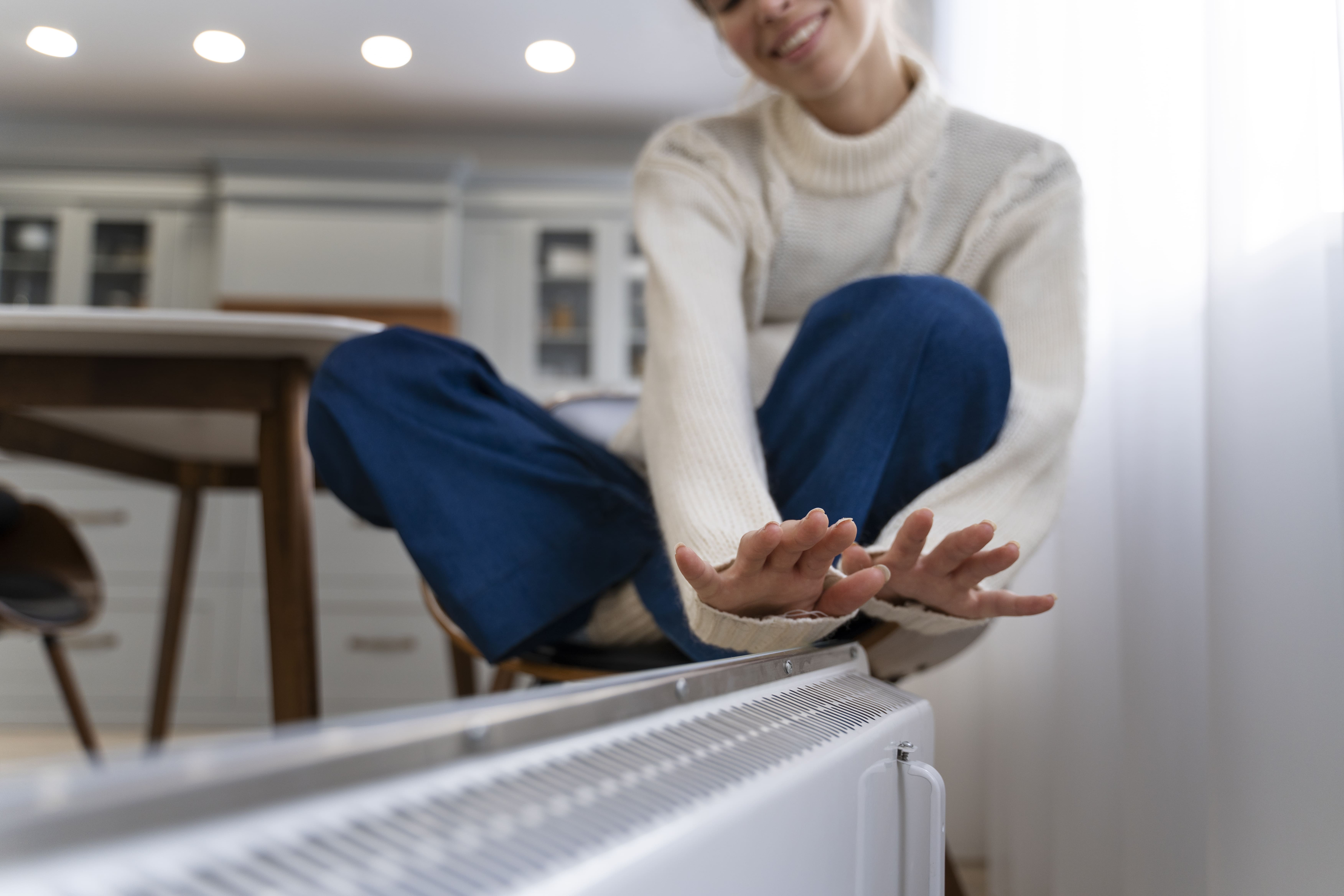
Heating Tune-up in Rosemead, CA
A seasonal heating tune-up is the single best step to keep your home warm, safe, and energy-efficient when southern California temperatures dip. In Rosemead, CA, where winters are generally mild but episodes of cool weather, wildfire smoke, and heavy pollen are common, a professional heating tune-up protects comfort and indoor air quality while reducing the chance of unexpected breakdowns. This page explains exactly what a thorough tune-up covers, common local issues, the diagnostic process, preventive benefits, recommended scheduling, and typical service agreement options.
What a Heating Tune-up Includes
A full heating tune-up inspects, cleans, and tests key components to restore safe, efficient operation. Standard items performed during a tune-up include:
- Filter changes - Replace disposable or clean reusable filters to restore airflow and improve indoor air quality.
- Thermostat calibration - Verify setpoint accuracy and sensor operation so the system runs when and how you expect.
- Burner and pilot inspections (for gas systems) - Clean burners, check pilot assembly or ignition system, and verify proper combustion.
- Lubrication - Lubricate motors and moving parts that require it to reduce wear and noise.
- Safety and carbon monoxide checks - Test safety switches, limit controls, and measure carbon monoxide levels at the flue and nearby living space.
- Airflow and efficiency testing - Measure blower performance, temperature rise, and overall system efficiency to identify restrictions or malfunctions.
- Electrical and component inspection - Tighten connections, inspect capacitors, belts, and controls for signs of wear.
- Heat exchanger and cabinet inspection - Look for cracks, corrosion, or soot buildup that affect safety and efficiency.
- Combustion analysis (when applicable) - Confirm proper fuel/air mix and safe venting for gas-fired equipment.
Each item is documented on a checklist so you know what was tested, adjusted, or recommended for repair.
Common Heating Tune-up Issues in Rosemead
Local conditions create predictable problems that a tune-up can catch early:
- Dust and pollen buildup from landscaped yards and street trees clogging filters and coils.
- Smoke and fine particulates from regional wildfires creating higher filter load and indoor air quality concerns.
- Mild temperature swings causing long cycles that increase wear on older systems.
- Coastal humidity swings that can promote condensation and minor corrosion in metal components.
- Thermostat drift or poor placement (near windows or direct sunlight) skewing temperature control.
Addressing these issues during a tune-up prevents reduced comfort, higher utility bills, and emergency repairs on cold mornings.
How a Professional Technican Diagnoses Problems
A professional tune-up is systematic and evidence-based. Typical diagnostic steps include:
- Visual inspection of the entire system, vents, and flue or condensate lines.
- System start-up to observe burner ignition, pilot operation, and ignition cycles.
- Measurement of supply and return temperatures to calculate temperature rise and heating efficiency.
- Airflow checks across the filter and blower, including static pressure if airflow restrictions are suspected.
- Carbon monoxide and combustion gas testing for safe venting and proper combustion.
- Electrical tests to verify motor and control performance and to spot failing components before they fail.
- Discussion of observed issues and documented findings with homeowner, along with prioritized repair recommendations.
Technicians use these results to recommend targeted repairs or adjustments rather than blanket replacements.
Benefits of Preventative Maintenance
Regular heating tune-ups deliver measurable value for Rosemead homes:
- Improved efficiency and lower energy use by restoring proper combustion and airflow.
- Longer equipment life because moving parts are cleaned, tightened, and lubricated.
- Increased safety through verified CO testing, flame checks, and limit switch testing.
- Fewer emergency repairs by catching small issues before they become failures.
- Better indoor air quality through timely filter changes and cleaner components.
- Consistency of comfort with calibrated thermostats and balanced airflow.
For homes that see occasional cold snaps, tune-ups mean you avoid being without heat when you need it most.
Recommended Scheduling
- Schedule a heating tune-up once per year before the heating season begins — in Rosemead that typically means late September through October.
- Homes with wood smoke exposure, high dust, or families with allergy concerns may benefit from additional mid-season filter checks or higher-MERV filters.
- Older systems or units with prior issues may need semi-annual inspections to maintain reliability.
Planning ahead of the first cold morning ensures the system is ready and avoids peak-season scheduling delays.
Service Agreement Options
Service agreements provide predictable maintenance and priority service. Common options include:
- Annual maintenance plans that cover one comprehensive tune-up per year and recordkeeping.
- Priority scheduling plans that give members faster appointment windows during seasonal spikes.
- Discounted repair plans that offer reduced labor rates or waived trip charges for enrolled customers.
- Filter subscription or replacement services for regular delivery and installation of furnace filters.
- Multi-year agreements that bundle tune-ups with periodic inspections to meet warranty requirements.
Service agreements help homeowners budget for maintenance, protect equipment warranties, and ensure consistent upkeep.
What to Expect During an Appointment
A typical tune-up appointment takes about 45 minutes to 90 minutes depending on system age and condition. Technicians will:
- Arrive with tools, replacement filters, and diagnostic equipment.
- Conduct the checklist items, run tests, and adjust settings.
- Explain findings in plain language and document results on a service report.
- Make immediate safety repairs if needed and provide clear recommendations for any additional work.
Technicians leave you with a record of work performed and any follow-up items to consider.
Practical Maintenance Tips for Rosemead Homes
- Check basic filters monthly during high-use periods and replace or clean as needed.
- Use a programmable or smart thermostat and set modest setbacks to improve efficiency without sacrificing comfort.
- Install and regularly test carbon monoxide detectors on each level of the home.
- Seal and insulate accessible ducts and ensure vents are not blocked by furniture.
- After wildfire smoke events, change filters promptly and consider HEPA air cleaners for high-sensitivity households.
Regular, simple care combined with an annual professional tune-up protects comfort, safety, and equipment investment.
A seasonal heating tune-up in Rosemead, CA is more than a routine check — it is an essential maintenance step to preserve safety, extend equipment life, and keep heating costs under control while addressing local air quality and weather-related concerns.
Customer
Testimonials
Our customers consistently praise the exceptional service and professionalism of our team. They appreciate the honest advice, meticulous work, and the care taken to ensure their satisfaction.

.webp)
Service Areas
