

Heating Maintenance in Rosemead, CA

Rosemead residents can expect comprehensive heating maintenance that preserves comfort, lowers energy costs, and prevents unexpected breakdowns. The guide outlines common systems such as gas furnaces, heat pumps, boilers, and ducts, plus a detailed inspection checklist and typical tasks like filter replacement, burner cleaning, safety checks, and duct sealing. It also explains priority service options, membership plans, recordkeeping, and the ongoing value of regular visits for reliability, safety, and efficiency throughout every heating season in Rosemead, CA.
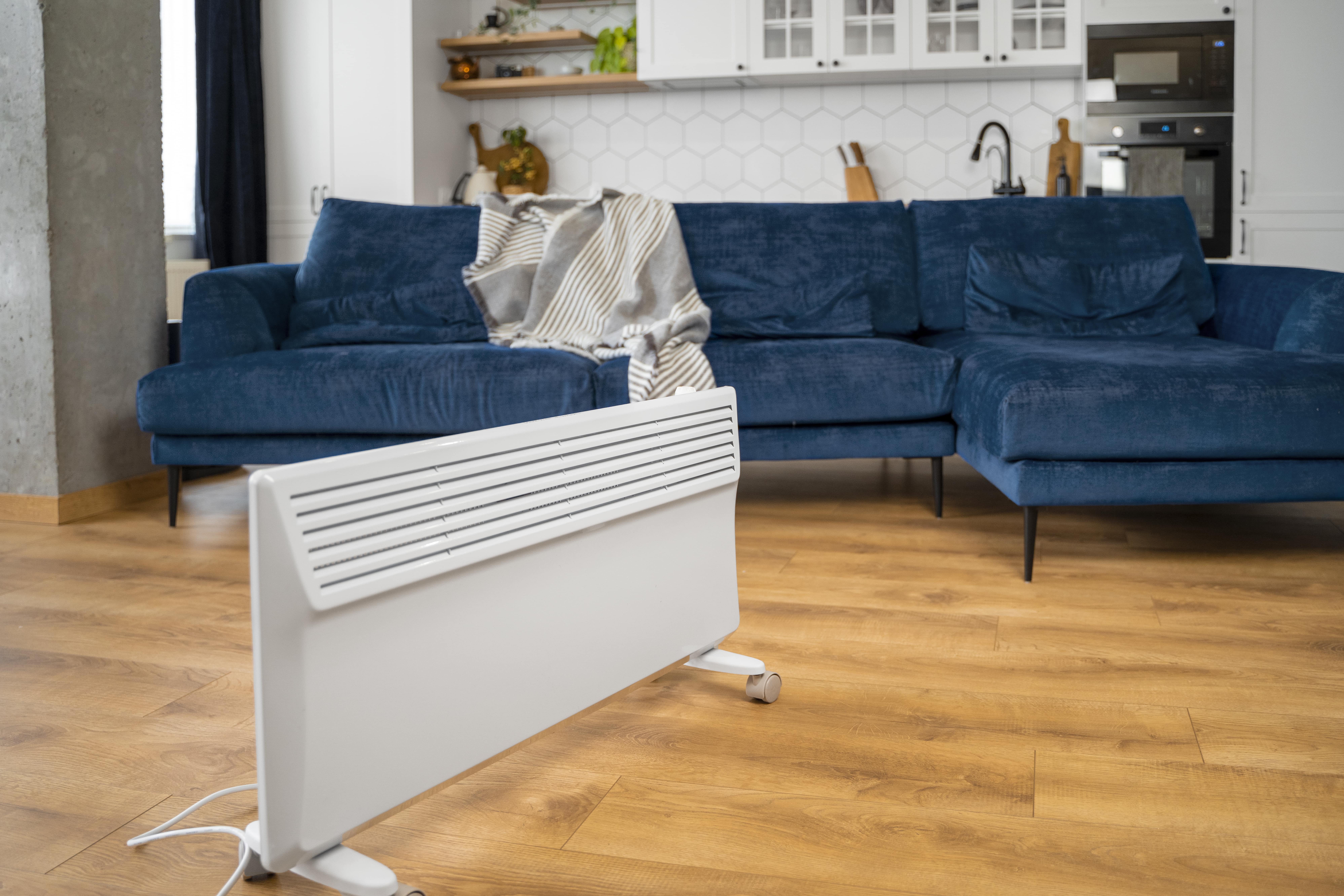
Heating Maintenance in Rosemead, CA
Keeping heating systems well maintained in Rosemead, CA preserves comfort, reduces energy costs, and prevents inconvenient breakdowns when cooler nights arrive. Even though winters here are milder than inland areas, many Rosemead homes rely on furnaces, heat pumps, or hydronic systems for evening and early morning warmth. Regular heating maintenance targets the wear that happens when systems cycle on and off, protects indoor air quality in the Los Angeles basin, and ensures safety features operate correctly.
Why scheduled heating maintenance matters in Rosemead homes
- Local climate: Mild winters mean systems can sit idle for months, increasing the chance that problems develop undetected. Periodic checks before the heating season catch issues caused by inactivity, dust buildup, or degraded components.
- Air quality and ventilation: Rosemead and the surrounding San Gabriel Valley experience air quality concerns at times. Proper maintenance and duct cleaning help minimize dust, allergens, and pollutants circulating when systems run.
- Peak-demand responsiveness: When an unexpected cold snap hits Southern California, repair wait times can rise. Maintenance plans with priority scheduling reduce downtime and stress during those periods.
- Equipment protection: Older homes in Rosemead may have legacy ductwork or older furnaces that need particular attention to preserve efficiency and safety.
Common heating systems in Rosemead and typical issues
- Gas furnaces: Ignition failure, clogged burners, cracked heat exchangers, dirty filters, and venting problems.
- Heat pumps (air-source): Low refrigerant, reversing valve issues, frozen outdoor coils, and reduced airflow due to dirty filters.
- Boilers and hydronic systems: Leaks, pressure loss, pump wear, and mineral buildup in zones.
- Ducted systems: Leaks, poor insulation, pest intrusion, and accumulated dust that reduce airflow and efficiency.
Routine inspection checklist
A thorough heating maintenance visit typically reviews these items:
- Visual inspection of the furnace, heat pump, or boiler exterior and mechanical connections
- Air filter condition and replacement recommendation
- Thermostat calibration and settings verification
- Combustion safety checks for gas systems, including burner condition and flame pattern
- Carbon monoxide and safety control testing where applicable
- Heat exchanger inspection for cracks or corrosion
- Electrical connections, contactors, capacitors, and motor condition
- Blower wheel and motor cleaning; belt inspection and tension
- Refrigerant level check and outdoor unit coil condition for heat pumps
- Condensate line and drain cleaning for high-efficiency systems
- Flue and vent inspection for proper draft and clearance
- Ductwork inspection for leaks, insulation gaps, and restricted airflow
- System performance and temperature differential measurement
- Record of runtime hours and recommendations for upcoming repairs
Typical maintenance tasks performed
- Replace or clean air filters and note recommended replacement intervals
- Clean burners, pilot assembly, or ignition components
- Lubricate moving parts such as blower motors and bearings when required
- Tighten electrical connections and test safety switches
- Adjust burners and calibrate the thermostat for accurate control
- Vacuum and wipe down accessible duct openings and vents
- Flush condensate traps and clear drain lines
- Inspect and test heat pump reversing valve, defrost controls, and refrigerant circuit
- Seal visible duct leaks and advise on further duct sealing if needed
- Provide a safety inspection for gas systems including leak checks and CO testing
Maintenance visits are often 45 minutes to 2 hours depending on system type and complexity. Documentation of findings and a clear list of recommended repairs are typically provided after the service.
Priority service and scheduling for Rosemead residents
Priority service is especially valuable in Rosemead where unexpected temperature drops drive sudden demand. Priority scheduling options generally include:
- Preferred appointment windows during busy seasons so maintenance and emergency service are handled faster
- Seasonal pre-booking to ensure a fall tune-up occurs before the first use of heating
- Rapid-response scheduling during cold snaps to restore comfort quicklyPriority plans help reduce wait times when local HVAC demand spikes and give homeowners peace of mind that systems will be addressed promptly.
Contract options and membership perks
Maintenance programs are commonly offered with flexible options to match different needs:
- Single annual tune-up for a one-time seasonal inspection
- Bi-annual service for homes with combined heating and cooling systems
- Annual membership plans that include scheduled inspections plus added benefitsTypical membership perks (described without pricing) include:
- Priority scheduling during peak season
- Discounted diagnostic or repair labor rates
- Waived or reduced diagnostic fees for members
- Annual safety inspections and performance reports included
- Seasonal reminders and an individualized maintenance schedule
Membership packages are designed to protect equipment longevity and offer predictable, consistent service over time.
Recordkeeping and reminder systems
Good maintenance programs maintain accurate service records and proactive reminders:
- Digital service logs capture inspection dates, parts replaced, measured performance values, and recommended follow-ups
- Reminder systems via email or SMS prompt filter changes, upcoming tune-ups, and warranty-related actions
- A history of repairs and parts replaced helps optimize future service intervals and supports warranty claims
- Personalized maintenance calendars reflect living patterns in Rosemead homes, such as increased evening heating use or vacation schedules
These systems reduce guesswork, keep warranties valid, and make future diagnostics faster because technicians have complete system histories.
Benefits of regular heating maintenance in Rosemead
- Fewer unexpected breakdowns during colder nights when demand rises
- Lower energy bills through optimized combustion, clean heat exchangers, and correct refrigerant levels
- Longer equipment life because wear and tear are identified and addressed early
- Improved indoor air quality by limiting dust, allergens, and mold growth in ducts and drains
- Enhanced safety through carbon monoxide testing and proper flue operation
- Better indoor comfort with balanced airflow and accurate thermostat control
Regular maintenance aligns system performance with seasonal needs specific to Rosemead, delivering reliable warmth, better efficiency, and predictable upkeep.
Final notes on timing and frequency
- Recommended baseline: at least one heating-focused inspection before the main heating season. For heat pumps or combined systems, consider bi-annual checks timed with AC and heating transitions.
- Filters: replace or clean every 1 to 3 months depending on filter type, occupancy, pets, and local pollution levels.
- Older systems or homes with known duct issues may benefit from more frequent inspections and targeted duct sealing.
Consistent maintenance tailored to Rosemead conditions prevents small issues from becoming major repairs, keeps systems running efficiently, and supports a safer, healthier home environment.
Customer
Testimonials
Our customers consistently praise the exceptional service and professionalism of our team. They appreciate the honest advice, meticulous work, and the care taken to ensure their satisfaction.

.webp)
Service Areas
