

Air conditioning replacement in Rancho Palos Verdes, CA helps homeowners determine when upgrading is a better option than repair and guides them through selecting the right system. Options include high-SEER central units, heat pumps, ductless mini-splits, and matched controls. The process covers removal and disposal of old equipment, installation timelines, typical costs, and projected energy savings. Practical guidance addresses proper sizing, corrosion protection, and climate-specific considerations for coastal hillside homes, along with maintenance strategies to ensure long-term comfort, efficiency, and value.

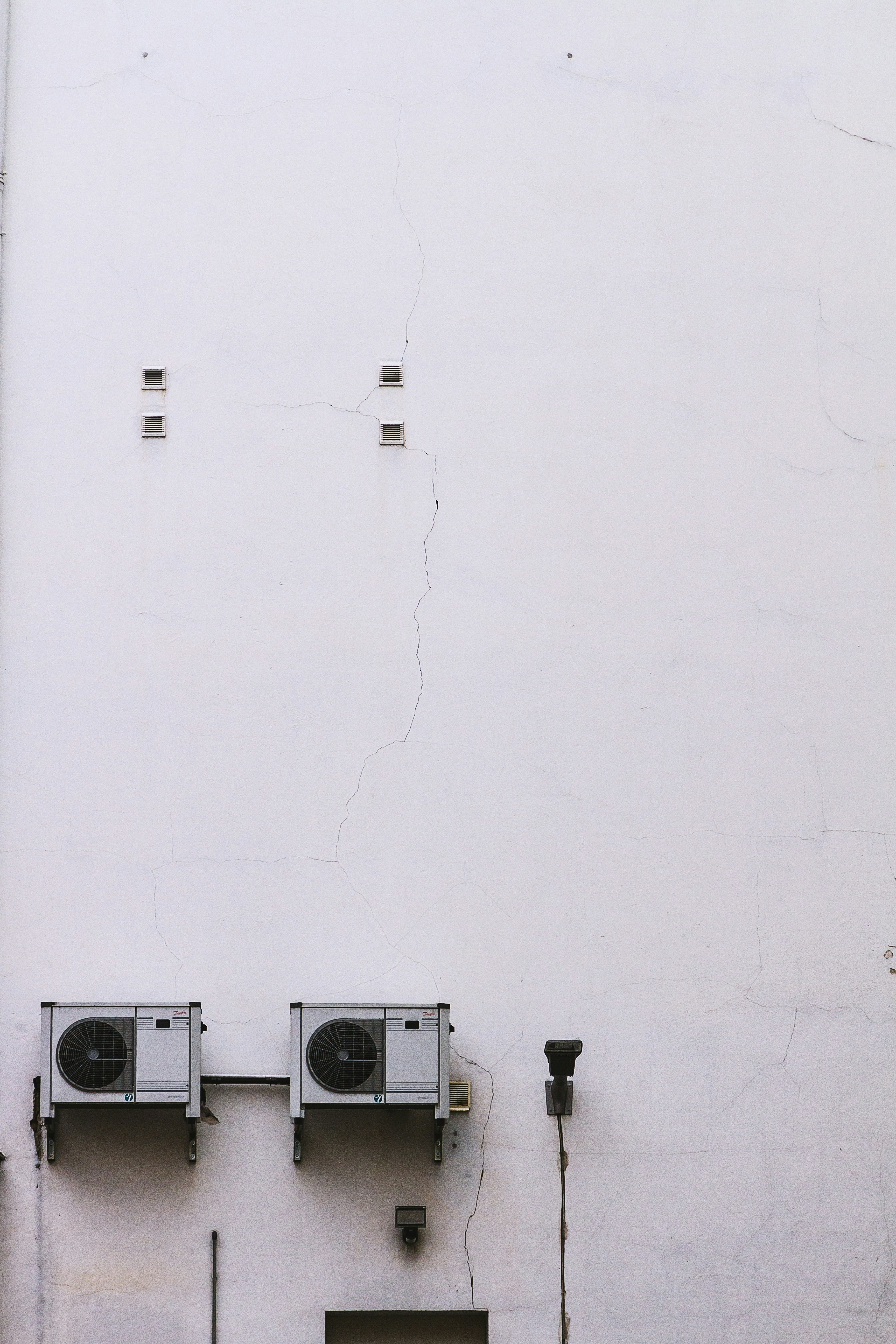
Air Conditioning Replacement in Rancho Palos Verdes, CA
Replacing an air conditioning system is one of the most impactful home upgrades for comfort, energy savings, and indoor air quality. In Rancho Palos Verdes, CA, local climate factors such as marine air, occasional heat waves, and hillside homes with unique duct runs make the decision between repair and replacement especially important. This page explains when replacement is recommended versus repair, presents replacement options, covers removal and disposal requirements, compares cost and energy savings, outlines installation logistics and timeline, and gives practical tips for selecting the right replacement for your Rancho Palos Verdes home.
When to Replace Instead of Repair
Knowing when to replace your AC rather than keep repairing it protects comfort and reduces long term cost.
Common signals that replacement is recommended:
- System age is beyond typical life span. Older systems lose efficiency and parts become scarce.
- Frequent breakdowns or rising repair frequency and cost relative to the value of the equipment.
- Major component failure such as compressor burnout. Repairing a failed compressor on an older low-efficiency system is often not cost effective.
- Use of phased-out refrigerants like R22 that are expensive or difficult to source.
- Poor cooling performance, rising energy bills, or inconsistent temperatures across rooms despite recent repairs.
- Corrosion or physical deterioration from coastal salt air that affects outdoor coils and fasteners.
- Ductwork issues that limit airflow and comfort; a new system with proper design may be the better choice.
Replacement Options for Rancho Palos Verdes Homes
Selecting the right replacement depends on home layout, existing ductwork, comfort goals, and energy priorities.
Standard and upgraded options:
- Higher SEER central systems. Modern high SEER units deliver better cooling with lower energy use and improved humidity control. Good choice where ductwork is sound.
- Heat pumps. In Rancho Palos Verdes mild coastal climate, heat pumps provide efficient year-round conditioning and can replace separate heating and cooling equipment.
- Ductless mini-split systems. Ideal for additions, rooms without ductwork, or to create zones where ducted systems struggle due to layout or access limitations.
- Variable-speed compressors and two-stage systems. Offer quieter operation, more consistent temperature and improved dehumidification.
- Matched systems and controls. Matching outdoor and indoor components and using smart thermostats improves performance and preserves warranty coverage.
Removing and Disposing of Old Equipment
Proper removal follows environmental and safety rules and helps avoid damage to property.
What the removal process includes:
- Refrigerant recovery in compliance with EPA regulations to prevent release of refrigerants.
- Disconnecting electrical and refrigerant lines, then safely removing the condenser and air handler or furnace.
- Recycling metal, insulating materials, and other components in accordance with local disposal rules.
- Addressing site-specific challenges in Rancho Palos Verdes such as limited driveway access, narrow gates, or hillside crane needs for heavy outdoor units.
- Providing documentation for disposal and refrigerant recovery when required by permits or warranties.
Cost and Energy Savings Comparison
Replacing an old AC typically involves higher upfront cost but can deliver significant lifetime savings.
Key comparisons to consider:
- Efficiency gains. Newer systems with higher SEER or heat pump technology reduce energy use compared to older models, especially when matched to your home and properly sized.
- Reduced repair and maintenance costs. A new system lowers unexpected repairs and often comes with manufacturer warranties.
- Comfort and indoor air quality improvements. Better dehumidification, quieter operation, and improved filtration are common benefits.
- Payback considerations. Evaluate long-term savings on electric bills, potential increases in comfort and home value, and the expected longevity of the new equipment.
- Incentives. State and federal incentives, utility rebates, and tax credits may be available for high-efficiency systems and heat pumps, improving overall economics. Check local Rancho Palos Verdes and California programs for eligibility.
Installation Logistics and Typical Timeline
Understanding the sequence and duration helps set realistic expectations.
Common installation steps:
- Pre-install assessment. A site visit with load calculation, duct inspection, and measurement to determine system size and best options.
- Permitting. Some replacements require permits and inspections, particularly if electrical upgrades, refrigerant lines, or structural work is involved.
- Removal of old equipment. Recovery of refrigerant and removal of the outdoor unit and indoor equipment.
- Installation. Setting the new outdoor condensing unit, installing or replacing the indoor air handler or ductless heads, connecting refrigerant lines, electrical work, and refrigerant charge.
- Startup and commissioning. System is started, performance verified, thermostat configured, and homeowner walkthrough provided.
- Final inspection. When permits are required, local authority inspections confirm compliance.
Typical timeline:
- Straight swap of same-size equipment with no duct changes: a single day for most homes.
- Systems requiring duct repairs, permit processing, or complex access: multiple days to a week depending on scope and local permit timelines.
- Ductless or heat pump conversions that require additional electrical work or inverter installations may extend the project timeline.
Tips for Selecting the Right Replacement in Rancho Palos Verdes
Choose a system that matches the specific needs of coastal, hillside homes and local conditions.
Selection checklist:
- Require a professional Manual J load calculation to size equipment properly. Oversizing leads to poor humidity control and cycling.
- Inspect and test ductwork. Leaky or undersized ducts eliminate the efficiency gains of a new unit.
- Prioritize corrosion-resistant components and protective coatings for outdoor equipment exposed to salt air.
- Consider heat pump technology for efficient year-round comfort in the mild coastal climate.
- Evaluate zoning or ductless options for multi-level or split-plan homes common in the area.
- Match indoor and outdoor components to preserve performance and warranty.
- Ask about warranty coverage for parts and labor and understand what conditions affect the warranty.
- Factor in noise levels for outdoor units near property lines or neighbors. Choose lower-noise models where required.
- Plan for airflow and ventilation improvements, especially in tightly sealed homes to maintain indoor air quality.
Broader Benefits and Ongoing Maintenance
A properly selected and installed replacement provides immediate comfort improvements and long-term value.
Maintenance and performance tips:
- Schedule regular tune ups and filter changes to preserve efficiency and warranty eligibility.
- Maintain clearances and rinse outdoor coils periodically to remove salt buildup and debris.
- Confirm refrigerant charge and airflow during annual checks to ensure optimal operation.
- Consider a programmable or smart thermostat to optimize energy use for your household patterns.
Replacing an air conditioner in Rancho Palos Verdes means considering local climate effects, access challenges, and the specific comfort needs of coastal and hillside homes. By focusing on correct sizing, corrosion protection, modern system options like heat pumps or mini-splits, and responsible removal practices, homeowners gain better comfort, lower operating costs, and improved indoor air quality for years to come.
Customer
Testimonials
Our customers consistently praise the exceptional service and professionalism of our team. They appreciate the honest advice, meticulous work, and the care taken to ensure their satisfaction.

.webp)
Service Areas
