

Heating Tune-up in Rowland Heights, CA

Plum HVAC offers a comprehensive seasonal heating tune-up for homes in Rowland Heights, CA, detailing meticulous inspections, thorough cleaning, and minor adjustments to your furnace or heat pump systems. We explain why regular maintenance truly matters for safety, efficiency, air quality, and extended equipment life, and list typical tasks such as burner and heat exchanger checks, filter replacement, thermostat calibration, duct assessment, and performance testing. We also cover expected duration, service records, and provide helpful tips for prioritizing safety and airflow during maintenance.
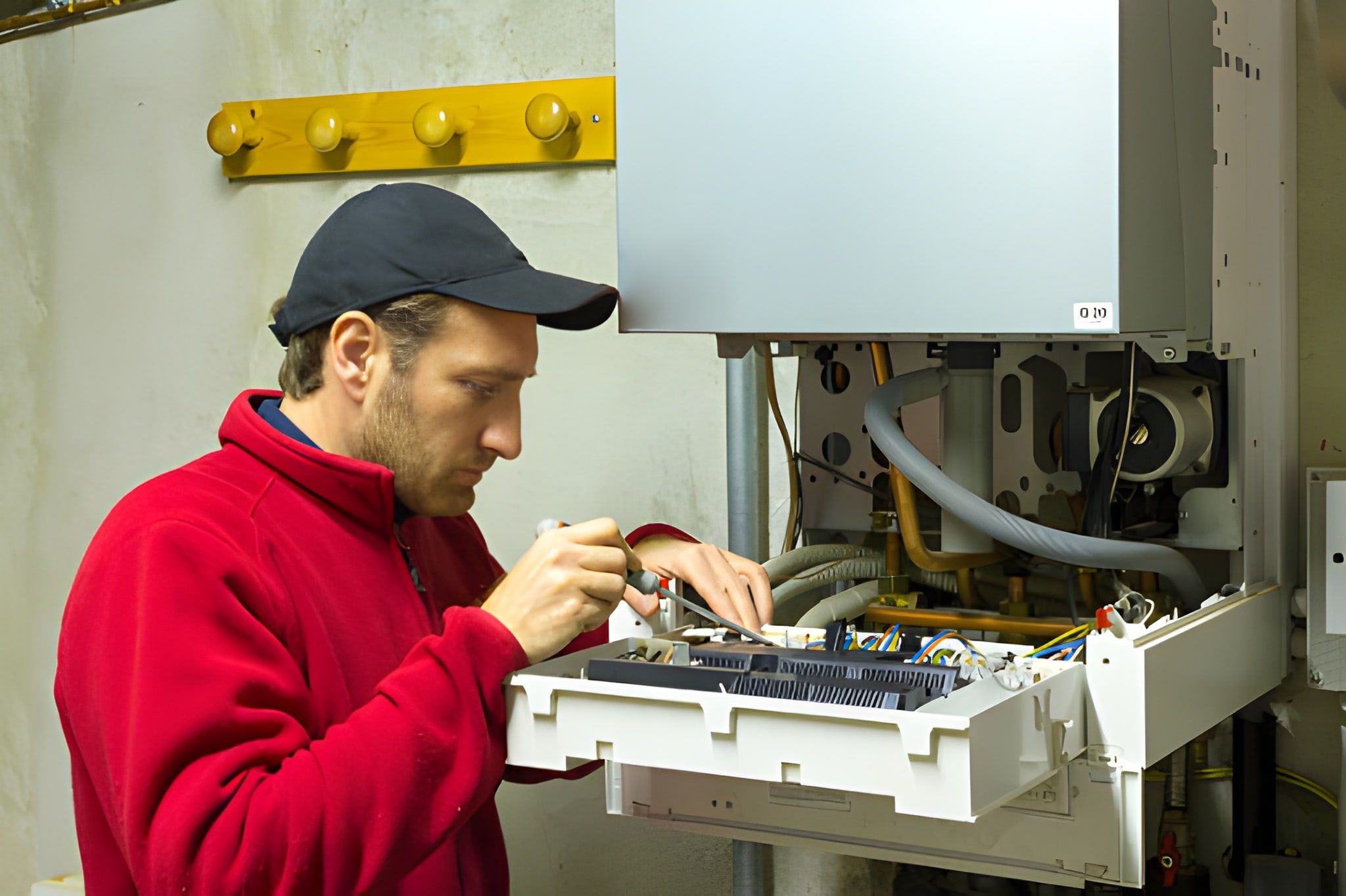
Heating Tune-up in Rowland Heights, CA
A seasonal heating tune-up in Rowland Heights, CA protects your comfort, reduces energy use, and keeps your home safe during cooler months. Even though winters here are milder than other regions, temperature swings, overnight chill, and seasonal air quality concerns make it important to have your furnace or heat pump inspected and optimized before you rely on it. A professional tune-up identifies worn parts, improves efficiency, and prevents inconvenient breakdowns when you need heat most.
Why a heating tune-up matters in Rowland Heights
- Local climate: Rowland Heights experiences cool evenings and occasional cold snaps during winter. Systems that are not maintained are more likely to underperform when temperatures drop.
- Air quality and dust: Southern California’s dry seasons, nearby hills, and occasional Santa Ana winds increase dust and particulate buildup. Dirty filters and burners reduce efficiency and indoor air quality.
- Safety with gas systems: Many local homes use gas furnaces or gas-burning water heaters connected to shared duct systems. A tune-up checks combustion components and the heat exchanger to prevent carbon monoxide risks.
- Older homes and systems: Rowland Heights has a mix of newer and older construction. Older equipment benefits most from regular maintenance to extend service life and maintain manufacturer warranty requirements.
What a comprehensive heating tune-up covers
A full seasonal heating tune-up inspects, cleans, tests, and makes minor adjustments to your heating system to restore reliable, efficient operation. Typical components and tasks include:
- Visual system inspection
- Check overall condition of furnace or heat pump, accessible ductwork, vents, and exhaust terminals.
- Look for signs of wear, corrosion, leaks, or improper clearances.
- Air filter check and replacement
- Inspect filter condition and replace or recommend the appropriate MERV-rated filter for your home and family needs.
- Discuss filter frequency based on pets, occupants with allergies, and local dust levels.
- Burners and combustion components
- Clean burners and inspect flame pattern for proper combustion.
- Inspect and test ignition system or pilot assembly for reliable start-up.
- Heat exchanger inspection
- Examine heat exchanger for cracks, corrosion, or separation that can lead to combustion gas leaks.
- Verify safe operation for gas-fired systems.
- Thermostat calibration and controls
- Check thermostat accuracy, wiring integrity, and programming settings for efficient control.
- Recommend upgrades or zoning adjustments if uneven heating is found.
- Safety controls and limit switches
- Test high-limit switches, rollout switches, and other safety devices to ensure they operate correctly.
- Electrical and mechanical checks
- Inspect wiring, connections, capacitors, motors, belts, and bearings.
- Tighten loose connections and verify safe electrical operation.
- Duct and airflow assessment
- Measure airflow and static pressure where accessible.
- Identify blocked returns, closed dampers, or restricted supply vents that reduce performance.
- Refrigerant and heat pump checks (if applicable)
- Check refrigerant charge and system pressures in heat pumps.
- Test reversing valve operation and defrost cycle performance.
- Performance testing and combustion analysis
- Measure temperature rise across the heat exchanger, flue temperature, and combustion efficiency where applicable.
- Confirm the system is delivering expected output safely and efficiently.
Cleaning, minor adjustments, and replacements
During a tune-up the technician cleans critical components and makes small adjustments that yield immediate benefits:
- Remove dust and debris from burners, flame sensors, and blower assemblies.
- Clean condensate traps and drains to prevent blockages and corrosion.
- Lubricate motors and moving parts where serviceable.
- Adjust burner and gas pressure settings within manufacturer specifications.
- Tighten electrical connections and replace worn belts or filters on the spot.
- Recommend and document required repairs when beyond the scope of a standard tune-up.
These actions reduce wear, improve airflow, and restore combustion efficiency so your system runs more reliably and uses less energy.
Typical duration and what to expect during service
- Estimated duration: Most residential heating tune-ups in Rowland Heights take between 60 and 90 minutes for a standard forced-air furnace or heat pump. Systems with significant buildup, older equipment, or additional components (zoning, complex ductwork, or boilers) may require more time.
- Service record: A professional tune-up includes a checklist of completed tasks, measured values (temperature rise, pressures, airflow notes), and any recommended follow-up repairs or parts replacement.
- Minimal disruption: Technicians can generally perform tune-ups with minimal interruption to your household. You should expect brief access to the equipment area and possibly to thermostat controls.
Benefits of regular seasonal tune-ups
- Improved reliability: Preventative maintenance reduces the risk of unexpected failures during cold nights.
- Better efficiency: Clean burners, calibrated controls, and correct airflow lower energy consumption and monthly utility use.
- Extended equipment life: Routine maintenance reduces stress on components and can add years to the usable life of your system.
- Safety assurance: Inspections of the heat exchanger, combustion components, and safety controls reduce the risk of carbon monoxide exposure and fire hazards.
- Indoor air quality: Fresh filters and cleaned components reduce dust circulation and help protect occupants with allergies or respiratory sensitivities.
- Documentation for warranties: Regular maintenance visits help satisfy manufacturer warranty requirements and support future claims.
Common heating tune-up issues in Rowland Heights, CA
- Restricted airflow from clogged filters and dusty ducts due to local dust and wind-driven particulates.
- Intermittent ignition or pilot failures after long off-seasons.
- Heat exchanger aging signs from older furnaces common in some neighborhoods.
- Uneven heating due to poorly balanced ducts or closed vents.
- Reduced heat pump efficiency after long cooling seasons without a seasonal check.
Maintenance plan enrollment and seasonal scheduling
Enrolling in a regular maintenance plan ensures your heating system is inspected before the winter season and prioritized for service during peak times. Plans typically provide scheduled tune-ups, detailed service records, and predictable seasonal inspections so issues are found early rather than during an emergency. For Rowland Heights homeowners, scheduling a fall tune-up helps address dust accumulation from summer and prepares systems for occasional cool spells.
Customer
Testimonials
Our customers consistently praise the exceptional service and professionalism of our team. They appreciate the honest advice, meticulous work, and the care taken to ensure their satisfaction.

.webp)
Service Areas
