

Heating Tune-up in Los Feliz, CA

Let Plum HVAC explain how a seasonal heating tune-up in Los Feliz, CA, truly improves safety, efficiency, and comfort by servicing furnaces and heat pumps before the heating season kicks in. We'll outline why tune-ups matter in our local conditions, cover common problems, and provide a detailed inspection checklist, including filters and ignition, thermostat calibration, and essential CO testing. You'll learn what to expect during a visit from our team, the clear benefits of preventive maintenance, recommended frequency, and simple maintenance tips to extend your system's life and performance in our milder winter climates.
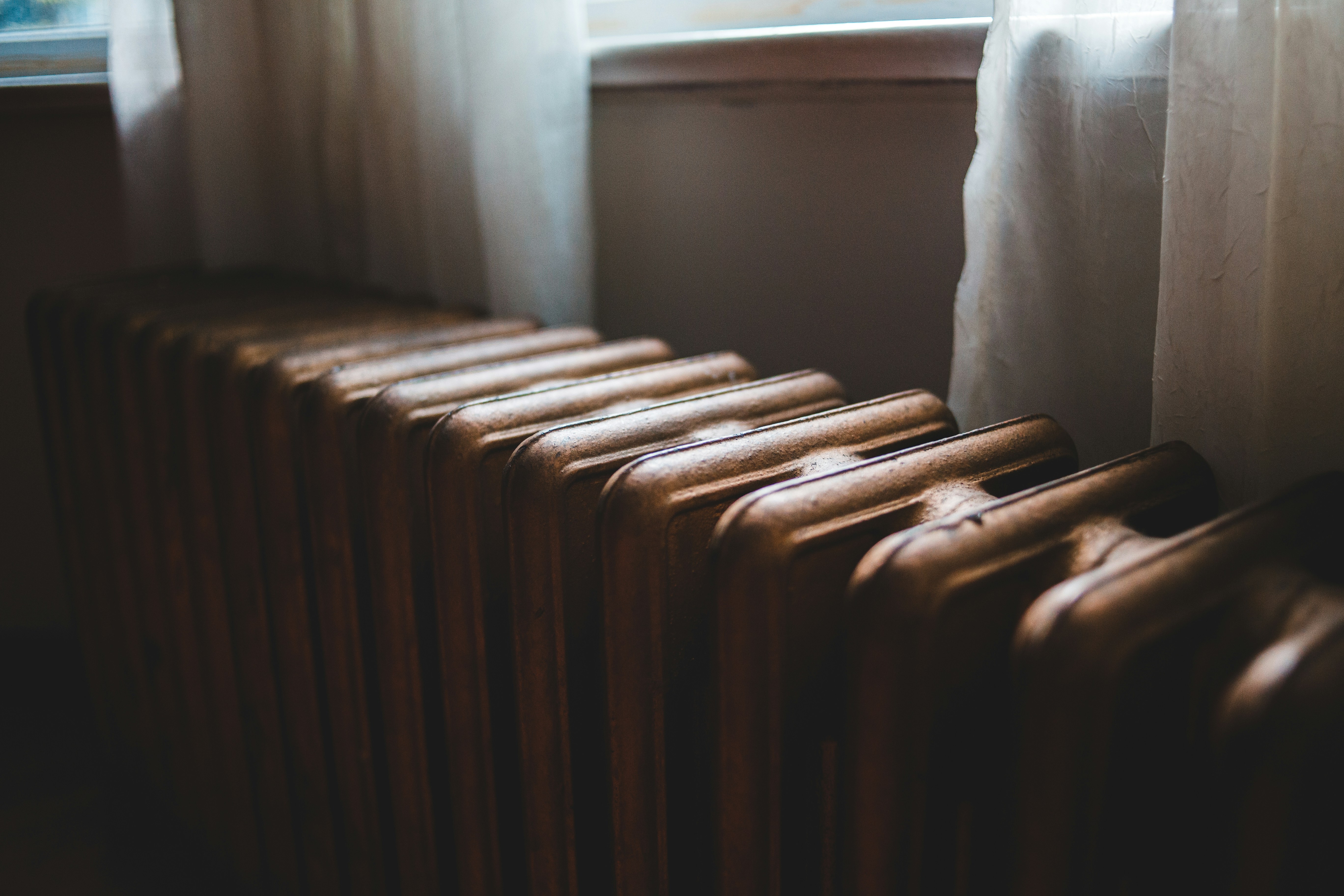
Heating Tune-up in Los Feliz, CA
Keeping your heating system reliable and efficient matters even in Los Feliz, where winters are milder than inland areas but chilly evenings and occasional cold snaps still make a working furnace or heat pump essential. A professional seasonal heating tune-up in Los Feliz, CA targets safety, comfort, and energy savings while preventing inconvenient mid-season failures—especially important in older Craftsman and hillside homes common to the neighborhood.
Why a seasonal heating tune-up matters in Los Feliz
Los Feliz homes face a few local factors that make tune-ups valuable:
- Mild but variable winters and frequent temperature swings increase cycling and wear.
- Urban dust, pollen, and seasonal wildfire smoke mean filters clog faster than in cleaner-air areas.
- Many homes are older or have complex attic/duct layouts, which can hide airflow and combustion issues.A tune-up addresses these realities by restoring efficiency, confirming safe operation, and giving you a clear picture of system health before you rely on heat regularly.
Common heating problems in Los Feliz homes
- Reduced airflow from clogged filters or duct leaks, causing uneven heat.
- Ignition or burner failures after long off-seasons.
- Thermostat drift or miscalibration producing short cycles or inconsistent temperatures.
- Carbon-monoxide risks from incomplete combustion, especially in older furnaces or blocked vents.
- Increased energy use due to dirty heat exchangers, poor lubrication, or failing components.Identifying these issues early prevents breakdowns on cold nights and reduces repair costs over time.
What a comprehensive heating tune-up includes
A typical seasonal tune-up follows a checklist that covers safety, performance, and efficiency. Expect technicians to perform all of the following tasks:
- Visual and operational inspection
- Check the overall condition of the furnace or heat pump, vents, and accessible ductwork. Look for signs of rust, corrosion, or animal nesting.
- Filter change and assessment
- Replace or advise on the correct MERV-rated filter. Verify filter housing seals and recommend frequency based on local air quality.
- Burner and ignition checks
- Inspect burners for proper flame pattern and combustion. Test ignition system for reliable starts.
- Thermostat calibration and controls test
- Verify thermostat accuracy, recalibrate if needed, and confirm control wiring and schedules operate properly.
- Safety and carbon-monoxide testing
- Measure for carbon-monoxide levels at the furnace and in a representative living area. Test safety switches and limit controls to ensure safe operation.
- Lubrication of moving parts
- Lubricate motors and bearings where applicable to reduce wear and noise.
- Airflow and duct checks
- Measure airflow, inspect for blockages, and identify major duct leaks or return path restrictions.
- Electrical and component inspection
- Check relays, capacitors, and wiring tightness. Note components nearing end of life.
- Performance verification
- Confirm system cycles correctly, reaches setpoint, and runs efficiently. For gas systems, combustion testing may be performed to verify proper fuel-to-air ratios.
Diagnostic process: how technicians determine issues
A professional tune-up combines visual inspection, sensor checks, and basic measurements:
- System history and user-reported symptoms are reviewed.
- Filters and visible components are inspected and cleaned or replaced.
- Ignition sequence and burner performance are observed during a controlled start.
- Temperature rise and airflow are measured to compare to manufacturer specifications.
- CO testing and safety interlock checks are completed before leaving the system in service.Technicians document findings and prioritize any repairs by safety and system-critical needs.
Expected benefits of a heating tune-up
- Improved energy efficiency: A clean, well-tuned system uses less fuel or electricity, lowering monthly bills and reducing environmental impact.
- Greater reliability: Preventive maintenance finds worn parts before they fail on cold evenings.
- Longer equipment life: Proper lubrication, calibration, and cleaning reduce stress and extend system lifespan.
- Safer operation: CO and safety switch testing reduce the risk of dangerous exposure and residential emergencies.
- More consistent comfort: Corrected airflow and thermostat calibration mean fewer hot and cold spots.
- Clear maintenance records: Documented tune-ups help with home resale and warranty requirements.
Recommended frequency and membership options
- Annual tune-up before the heating season is standard for most Los Feliz homes. Conducting service in early fall catches issues before colder weather.
- Homes with older equipment, frequent fireplace use, or those affected by wildfire smoke may benefit from twice-yearly inspections—heating check pre-season and a mid-season follow-up.
- Membership or maintenance plans typically offer scheduled annual visits, priority visit windows during peak weather, and routine tasks like filter changes included. Benefits often include inspection documentation, discounting on repairs, and planned maintenance reminders. Memberships are structured to keep systems safe and efficient without surprise costs, while ensuring regular professional oversight.
What to expect during a tune-up visit
- Typical visit length: one to two hours depending on system complexity and any additional diagnostics.
- Technician will inspect, clean, replace the filter if agreed, test safety systems, and run performance checks.
- You will receive a summary of findings: items serviced, any concerns, and recommended next steps ranked by urgency.
- Safety testing and CO readings are performed and recorded. Any unsafe condition is flagged immediately.
- No unnecessary repairs are performed without documented findings and homeowner approval.
Simple maintenance tips between tune-ups (Los Feliz-specific)
- Replace or check filters more frequently during wildfire season or when you notice more dust or visible residue on vents.
- Keep vents and returns unobstructed by furniture or storage to maintain proper airflow.
- Seal drafts around windows and doors common in older Los Feliz homes to reduce heat loss and lessen strain on the heating system.
- Use programmable or smart thermostats to reduce cycling and manage comfort efficiently during mild nights.
- Ensure carbon-monoxide detectors are on each level and replace batteries regularly.
Customer
Testimonials
Our customers consistently praise the exceptional service and professionalism of our team. They appreciate the honest advice, meticulous work, and the care taken to ensure their satisfaction.

.webp)
Service Areas
