

Heating Repair in Los Feliz, CA

Heating repair in Los Feliz, CA? Plum HVAC provides a practical guide to diagnosing common furnace and heat pump problems, from startup failures to uneven airflow. We outline step-by-step diagnostic procedures, emergency and same-day options, typical fixes and replacement parts, and transparent pricing. We emphasize technician credentials, safety testing, and clear guidance on whether repair or replacement is best for your home. Homeowners gain insight into when to repair, the expected costs, and how our professional service preserves comfort and safety outcomes.
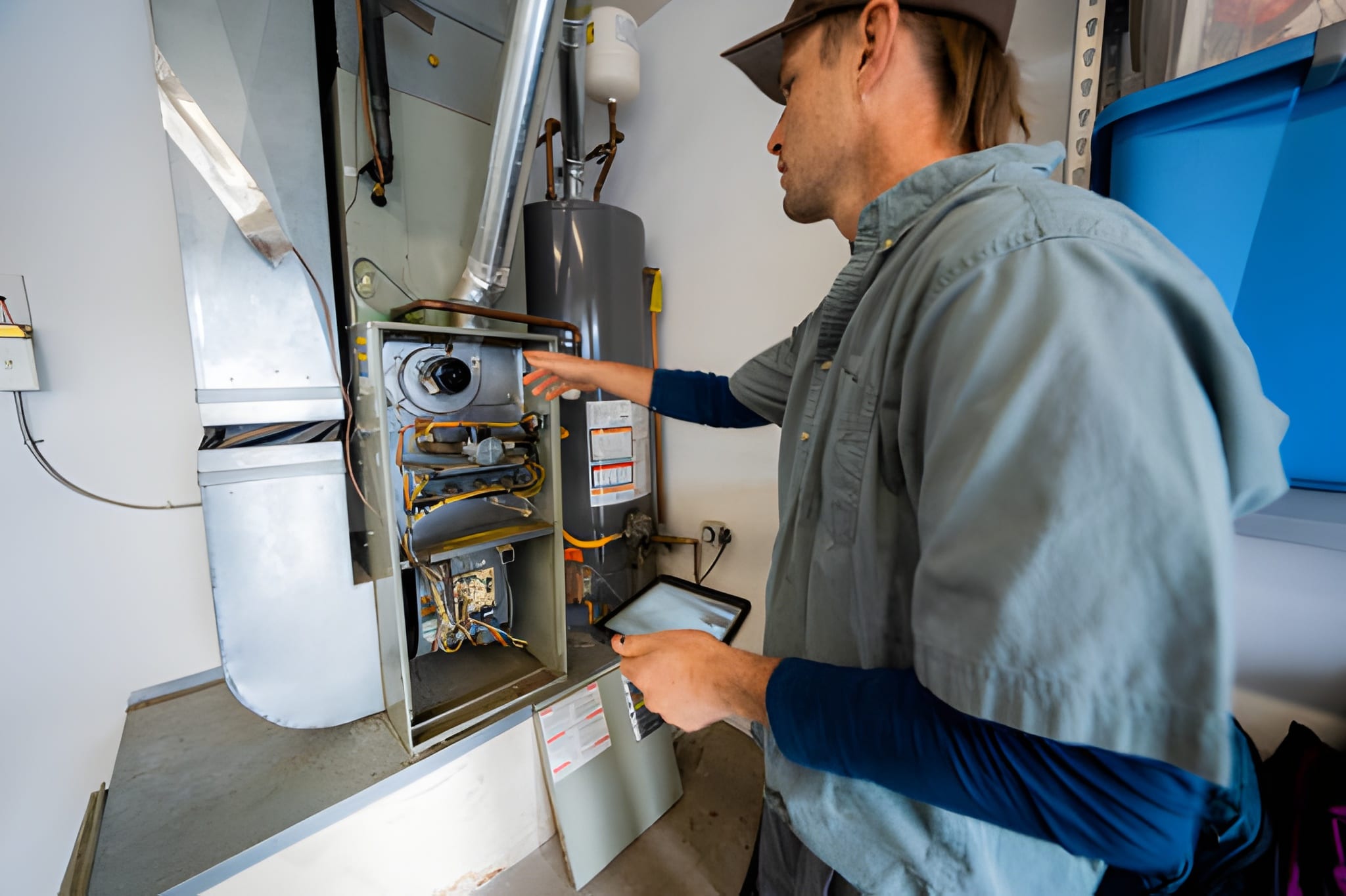
Heating Repair in Los Feliz, CA
Keeping reliable heat in Los Feliz homes matters even though Southern California winters are mild. Older Craftsman and Spanish-style homes, hillside insulation challenges, and occasional cold snaps make dependable heating essential for comfort and safety. This Heating Repair in Los Feliz, CA page explains common heating failures homeowners face, what a professional diagnostic looks like, same-day and emergency repair options, typical fixes and parts, transparent estimate practices, technician credentials, safety and testing protocols, and clear guidance on when to repair versus replace.
Common heating repair issues in Los Feliz
Los Feliz homes often show the same patterns of wear and failure found across the Los Angeles area, with a few location-specific trends tied to older housing stock and variable attic insulation.
- Furnace won’t start or cycles frequently (short cycling)
- Weak or uneven airflow in rooms, especially in older duct systems
- Strange noises from the furnace or heat pump (rattles, bangs, screeches)
- Thermostat not responding or inaccurate temperature readings
- Pilot light or ignition failure in gas furnaces
- Blower motor or capacitor failures
- Heat pump not producing warm air or frozen outdoor unit in rare cold weather
- Carbon monoxide or gas odor concerns from cracked heat exchangers or venting issues
Step-by-step diagnostic procedure
A professional diagnostic isolates the root cause efficiently and transparently. Typical diagnostic steps for heating repair in Los Feliz include:
- Visual inspection of the unit, vents, and accessible ductwork for obvious damage, rust, or blockages.
- Confirm thermostat settings and battery/power to rule out user-level issues.
- Check electrical supply and safety switches, including the furnace door switch and circuit breakers.
- Evaluate ignition system: pilot assembly, electronic ignitor, and flame sensor for gas furnaces.
- Test blower motor, fan capacitor, belts, and bearings for proper operation and airflow.
- Measure temperature rise across the furnace to assess heat exchanger and combustion efficiency.
- Inspect heat exchanger for cracks and signs of combustion leaks when applicable.
- For heat pumps and ductless systems: check refrigerant pressures, reversing valve, compressor function, and outdoor unit condition.
- Perform carbon monoxide and gas leak tests if combustion appliances are present.
- Report findings and recommend repair options or replacement based on age, condition, and safety.
Diagnostics are documented and explained in plain language so homeowners understand the issue and the options.
Emergency and same-day repair options
Many heating failures demand immediate attention for safety and comfort. Typical emergency responses include:
- Immediate safety shutdowns for suspected gas leaks or carbon monoxide risk.
- Same-day ignition repairs or temporary measures to restore safe operation.
- Priority replacement of failed safety components like limit switches or blocked flues that create hazardous conditions.
- Temporary airflow fixes, such as replacing a failed blower capacitor, to restore heat while scheduling a longer repair if parts are delayed.
In Los Feliz, where older homes may have single heating sources, rapid response minimizes discomfort and reduces risk of secondary damage.
Typical fixes and replacement parts
Common repairs and parts used during heating repair in Los Feliz include:
- Thermostat replacement or recalibration
- Ignitor, flame sensor, or pilot assembly repair/replacement
- Blower motor, fan wheel, and capacitor replacement
- Control board repairs and safety switch replacement
- Gas valve replacement and pressure adjustments
- Heat exchanger repair assessment (often replacement if cracked)
- Refrigerant leak repairs, compressor replacement, and reversing valve fixes for heat pumps
- Duct sealing, return-air improvements, and filter replacement to restore airflow
Technicians will explain whether OEM or high-quality aftermarket parts are recommended for longevity and compatibility.
Transparent estimates and pricing clarity
Transparent estimates are essential for decision-stage customers. A professional repair estimate for Heating Repair in Los Feliz, CA typically includes:
- Cost breakdown: diagnostics, labor hours, parts, and any permits required
- Explanation of why a repair is needed and what the repair will accomplish
- Warranties or guarantees on parts and labor, if applicable
- Estimated timeline for completion and parts lead times
Estimates should be delivered in writing and explained in plain language so homeowners in Los Feliz can weigh repair vs replacement without confusion.
Technician certifications and expertise
Qualified technicians follow recognized industry standards. Common credentials and qualifications include:
- State HVAC licensing and local permitting knowledge
- NATE or equivalent technician certification for system-specific expertise
- EPA 608 certification for refrigerant handling on heat pumps and HVAC systems
- Ongoing manufacturer training for specific furnace, boiler, or heat pump brands
Technicians should be able to show credentials, explain procedures clearly, and work within local building codes in Los Feliz and Los Angeles County.
Safety and testing protocols
Safety is non-negotiable for heating repair. Standard safety and testing procedures include:
- Shutting off gas and electrical power before beginning work
- Carbon monoxide testing after combustion appliance repairs and before returning the system to service
- Gas leak detection and pressure testing of gas lines when valves or piping are disturbed
- Proper venting and flue inspection to prevent backdrafting in older chimneys and vent systems
- Post-repair system run tests to verify thermostat response, airflow, temperature rise, and steady operation
Technicians will document safety checks and leave homeowners informed about any follow-up monitoring needed.
When to repair vs when to replace
Deciding between repair and replacement depends on age, frequency of breakdowns, safety, and efficiency needs:
- Repair is recommended when a system is relatively new, repair addresses a single failed component, and future breakdown risk is low.
- Consider replacement when the system is older (typical rule of thumb: over 15 years for furnaces, 12-15 for heat pumps), expensive repairs exceed a significant portion of replacement cost, there are repeated breakdowns, or the heat exchanger is cracked (safety concern).
- Replacement is also advisable when upgrading to a more efficient system will yield meaningful energy savings given local usage patterns and long-term plans for the home.
A clear, itemized estimate combined with an assessment of expected future costs helps Los Feliz homeowners make an informed decision.
Maintenance and longer-term benefits
Timely heating repair preserves efficiency, extends equipment life, and keeps your home safe. Regular maintenance—annual tune-ups, filter changes, and duct inspections—reduces urgent repairs and improves comfort, especially in older Los Feliz homes with unique insulation or venting conditions.
Customer
Testimonials
Our customers consistently praise the exceptional service and professionalism of our team. They appreciate the honest advice, meticulous work, and the care taken to ensure their satisfaction.

.webp)
Service Areas
