

Heating Tune-up in Glendale, CA

In Glendale, CA, Plum HVAC provides a seasonal heating tune-up service to keep your furnaces, heat pumps, and packaged systems safe, efficient, and reliable during cold spells. Our plan covers essential safety inspections, filter checks, burner and ignition service, thorough airflow testing, electrical controls, and any minor adjustments. Regular maintenance with Plum HVAC truly reduces short cycling, extends equipment life, and protects your indoor air quality. A typical visit lasts about 45 to 90 minutes, and we'll provide clear notes and recommended next steps to help homeowners budget and plan ahead for ultimate home comfort.
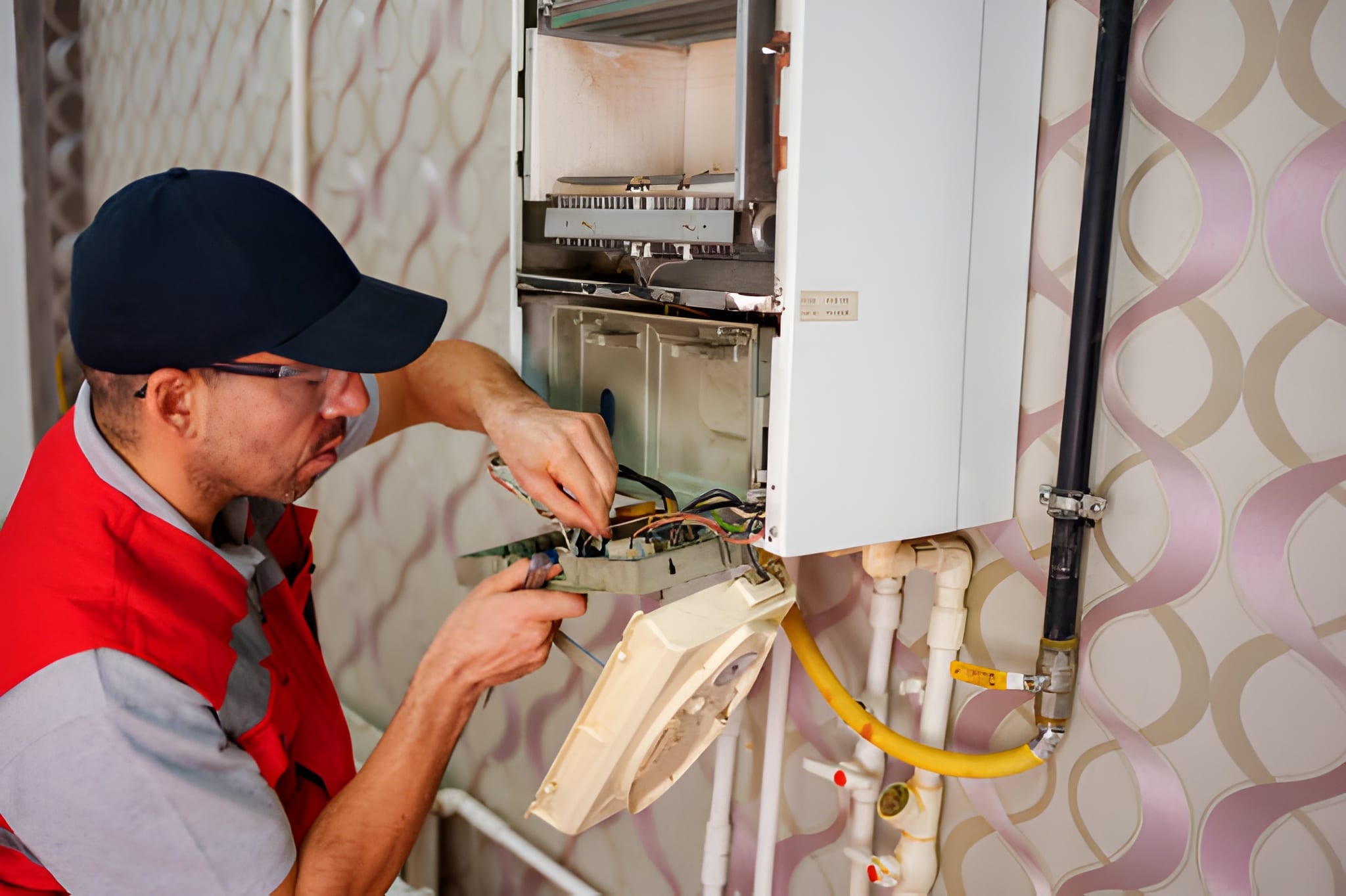
Heating Tune-up in Glendale, CA
A seasonal heating tune-up in Glendale, CA keeps your system running safely, efficiently, and reliably through cooler months. Even though winters here are milder than in other regions, homes in Glendale still rely on furnaces, heat pumps, and packaged HVAC systems during chilly evenings and Santa Ana influenced cold spells. Regular tune-ups reduce unexpected breakdowns, improve indoor comfort, and help maintain indoor air quality in an area prone to dust and wildfire smoke.
Why a seasonal heating tune-up matters in Glendale
- Glendale homes accumulate fine dust and pollen from surrounding canyons and city streets. This builds up in filters, blower assemblies, and heat exchangers, reducing efficiency and indoor air quality.
- Gas furnaces and heat pumps that sit unused for months can develop ignition issues, dirty burners, or sticky components that cause failures when needed most.
- Mild but variable temperatures mean systems cycle on and off frequently. Proper adjustment during a tune-up reduces short cycling and wear.
- Older systems and homes near freeways or industrial areas can see more soot and particulate buildup; maintenance helps prevent safety risks like blocked flues or degraded combustion performance.
What a comprehensive Glendale heating tune-up includes
Below is a detailed seasonal maintenance checklist covering the safety, performance, and reliability items typically handled during a tune-up.
- Safety inspection
- Visual inspection of combustion components and heat exchanger for cracks, corrosion, or soot
- Carbon monoxide check at the furnace and supply registers
- Flue and vent system inspection for proper draft and obstructions
- Verification of gas line connections and pressure where applicable
- Filter and thermostat checks
- Inspect and replace disposable filters or recommend media filter cleaning
- Check electronic filter housings and seals for leaks
- Verify thermostat function, battery condition, and calibration
- Assess programmable/Smart thermostat scheduling and settings for efficient operation
- Burner and ignition system inspection
- Clean burners and pilot assembly or electronic ignition components
- Inspect flame sensor and clean if necessary to prevent nuisance shutdowns
- Test ignition reliability and combustion characteristics
- Airflow and efficiency testing
- Inspect and measure supply and return airflow at key registers
- Check blower motor amps and belt condition or drive for proper operation
- Perform static pressure and temperature rise checks to confirm system balance
- Evaluate overall system efficiency and note any signs of reduced performance
- Electrical and control inspections
- Tighten electrical connections and test safety controls and limit switches
- Inspect control boards, relays, and capacitors for wear or failure signs
- Confirm proper operation of zone valves or dampers if present
- Minor adjustments and small repairs typically included
- Lubricate blower motor and linkage points where serviceable
- Tighten accessible electrical connections and secure panels
- Adjust burner alignment, pilot settings, or airflow dampers for optimal combustion
- Replace standard disposable air filter during tune-up when included in plan
- Clean flame sensor, pilot orifice, and accessible components to restore reliable ignition
Note: Major component replacements, refrigerant changes, complex ductwork repair, and nonstandard parts are outside a standard tune-up scope but will be documented with recommended next steps.
Common heating tune-up issues found in Glendale homes
- Clogged or overdue filters leading to reduced airflow and frozen heat exchangers in some systems
- Dirty burners or failing ignition causing delayed starts and intermittent operation
- Reduced combustion efficiency due to soot or partially blocked venting from dust or debris
- Short cycling caused by thermostat miscalibration, restricted airflow, or incorrect heat anticipator settings
- Blower motor noise or reduced performance from dust buildup and worn bearings
Early detection during a tune-up prevents these issues from becoming emergency repairs during colder nights.
Benefits of regular tune-ups for performance and safety
- Improved energy efficiency and lower monthly heating costs by ensuring proper combustion and airflow
- Extended equipment lifespan through preventive lubrication, cleaning, and adjustment
- Increased reliability so systems start when needed, especially during cold snaps or at night
- Enhanced indoor air quality by maintaining clean filters and removing accumulated dust
- Reduced safety risk from carbon monoxide exposure or flue blockages due to regular combustion and venting checks
- Documented service history that helps with warranty compliance and resale value
What to expect during a professional tune-up visit
A typical tune-up visit in Glendale lasts 45 to 90 minutes depending on system complexity and any small repairs required. Technicians will:
- Walk through the checklist items above while you may observe
- Explain any findings in plain language, noting safety concerns and efficiency opportunities
- Perform included minor repairs immediately and provide written notes for recommended repairs or replacements
- Leave a maintenance report summarizing work performed, filter status, and suggested next steps
How scheduling and maintenance plan enrollment usually works
To enroll in a Glendale heating maintenance plan or schedule seasonal service, providers typically follow these steps:
- Choose plan level: basic inspection and filter replacement, or a comprehensive plan that includes priority scheduling and annual tune-ups for heating and cooling.
- Set service frequency: most homeowners opt for an annual fall heating tune-up; combined HVAC plans add a spring cooling service.
- Confirm service window: flexible scheduling with reminders for seasonal service, often via email or phone.
- Service record and benefits: plans generally include a maintenance record for warranty needs, small repairs included with the tune-up, and priority or discounted parts/labor for larger repairs.
- Ongoing reminders: automated reminders before each seasonal visit help keep maintenance on schedule for optimal performance.
Enrolling in a maintenance plan is designed to simplify regular care and provide predictable upkeep for Glendale homes, especially where local dust, pollen, and smoke events can increase system strain.
Maintenance tips for Glendale homeowners between tune-ups
- Replace or clean filters every 1 to 3 months during active use, more often after wildfire smoke or high dust events
- Keep supply and return vents unobstructed and vacuum register grills periodically
- Monitor carbon monoxide and smoke detectors and replace batteries annually
- Note unusual sounds, odors, or cycling patterns and document when the issue started to help technicians diagnose faster
- Maintain outdoor unit clearance if you have a heat pump to prevent debris and allow proper airflow
Customer
Testimonials
Our customers consistently praise the exceptional service and professionalism of our team. They appreciate the honest advice, meticulous work, and the care taken to ensure their satisfaction.

.webp)
Service Areas
