

Heating Maintenance in Glendale, CA

This page outlines a comprehensive heating maintenance program for Glendale, CA, emphasizing proactive servicing to prevent breakdowns, improve air quality, and extend equipment life. It covers recommended service intervals for furnaces, heat pumps, and ducts, typical visit tasks, and the customer benefits of membership plans. The guide explains how a maintenance visit is performed, how preventative care reduces emergencies, and practical tips to sustain system reliability and efficiency throughout Glendale’s seasonal changes. It also highlights maintenance plans, benefits, and what customers can expect during service.
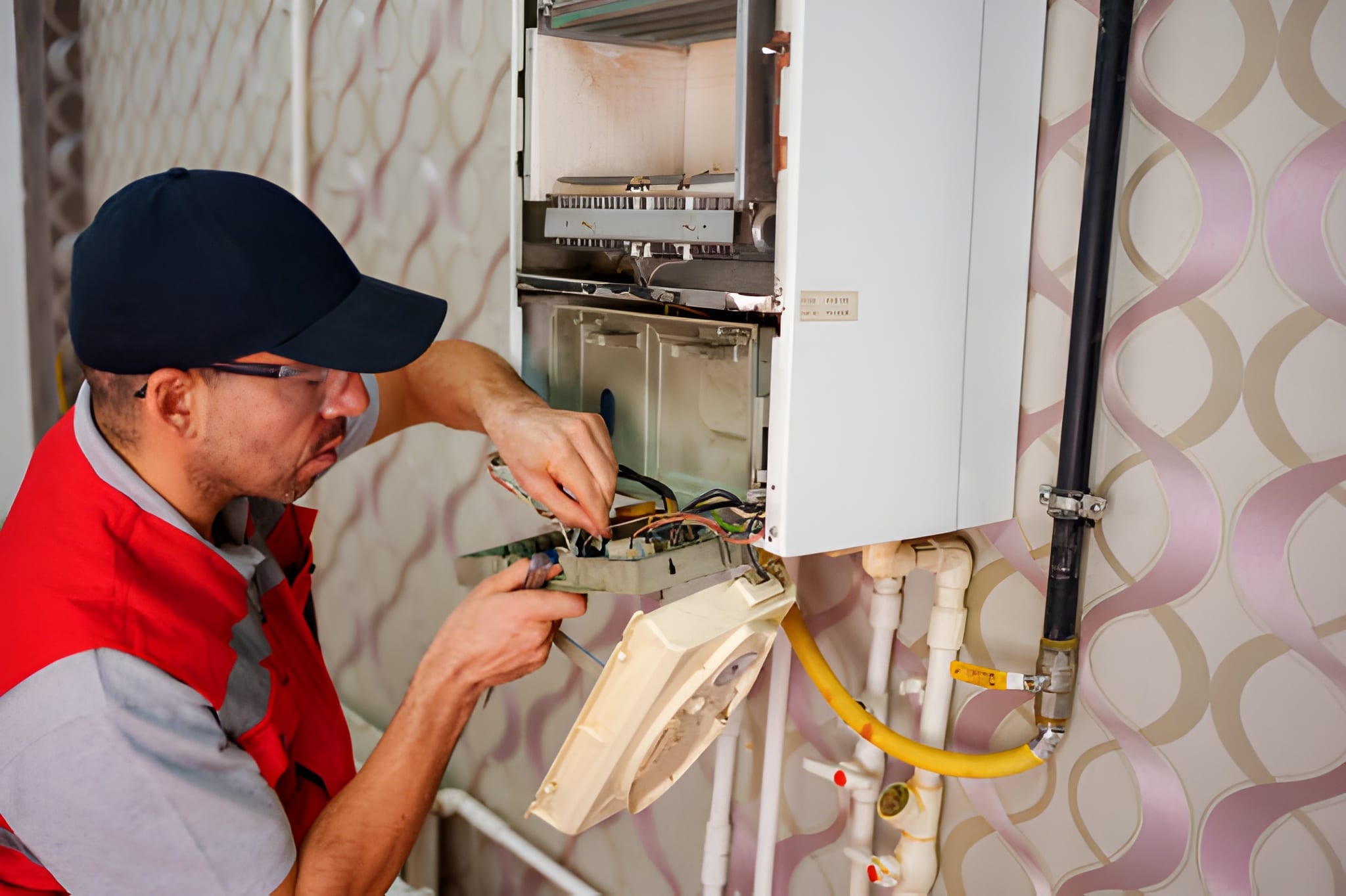
Why heating maintenance matters in Glendale, CA
Glendale homes face specific factors that make routine heating maintenance important:
- Mild winters can encourage homeowners to delay service until a problem appears, increasing the chance of emergency repairs.
- Dry months and seasonal winds bring dust, pollen, and debris that clog filters and reduce airflow.
- Periodic poor air quality and wildfire smoke increase strain on filters and indoor air components.
- Older homes and aging systems in many Glendale neighborhoods benefit from proactive care to preserve performance.
Regular maintenance keeps systems reliable, improves indoor air quality, and helps maintain manufacturer warranties by documenting annual service.
Common heating problems in Glendale
Homeowners in Glendale commonly experience:
- Reduced airflow due to clogged filters and dirty blower components
- Intermittent pilot or ignition failures in gas furnaces
- Short cycling caused by thermostat or airflow issues
- Increased energy bills from inefficient operation or dirty heat exchangers
- Noisy operation from worn motors or loose components
- Safety concerns such as cracked heat exchangers or blocked vents
These issues often start small and escalate into costly repairs or safety hazards if left unaddressed.
Recommended service intervals
- Furnaces (gas or oil): Annual maintenance before the heating season begins to ensure safe, efficient operation.
- Heat pumps: Biannual maintenance (once before cooling season and once before heating season) because they serve both heating and cooling needs.
- Ducted systems: Inspect ducts, seals, and airflow every 1-2 years; more often if you notice dust buildup or uneven heating.
- Homes with pets, smokers, or frequent wildfire smoke exposure: consider increasing filter changes and inspections to twice yearly.
Following these intervals helps identify wear and performance loss early, keeping repair costs lower and systems more efficient.
What a heating maintenance visit includes
A professional maintenance visit focuses on cleaning, lubrication, inspection, and system optimization. Typical tasks include:
- Filter inspection and replacement recommendations; removing dust and debris from filters and intake areas
- Inspecting and cleaning burners, ignition systems, and pilot assemblies for safe, reliable starts
- Checking and testing the heat exchanger for cracks or corrosion that could pose safety risks
- Lubricating motors, bearings, and moving parts to reduce friction and extend component life
- Testing and calibrating thermostats and controls for accurate temperature regulation
- Measuring airflow and inspecting blower assemblies to ensure even distribution
- Inspecting electrical connections, capacitors, relays, and wiring for wear or loose contacts
- Verifying gas pressure and combustion efficiency for gas systems where applicable
- Checking condensate drains and pans to prevent blockages and water damage
- Examining ductwork connections and seals; recommending repairs to reduce leakage and improve efficiency
- Providing a simple performance tune-up and offering a maintenance report with observed issues and recommended next steps
Technicians use these tasks to both restore current performance and detect early signs of future problems.
How maintenance reduces emergency repairs
Preventative maintenance lowers the risk of sudden failures in several ways:
- Early detection: Worn parts, leaks, and safety hazards are found and fixed before they cause a breakdown.
- Cleaner operation: Removing dust and debris reduces stress on fans and heat exchangers, preventing overheating and motor burnout.
- Component longevity: Proper lubrication and calibration reduce wear, extending the lifespan of belts, bearings, and motors.
- Improved reliability during cold snaps: Systems serviced before the heating season are less likely to fail when you need them most.
For Glendale homeowners, scheduled maintenance is the best way to avoid weekend or nighttime emergency calls and expensive last-minute part replacements.
Membership and preventative maintenance program options
Maintenance programs are typically tiered to match different needs. A common structure includes:
- Basic Inspection Plan: Annual or biannual safety and performance inspection, filter check, and a basic tune-up. Ideal for homeowners with newer systems or limited use.
- Comprehensive Tune-up Plan: Includes all basic tasks plus deeper cleaning (burners, coils, blower), calibration of controls, priority scheduling during high demand, and a detailed service report.
- Premium Protection Plan: Covers biannual visits for heat pump systems, priority emergency scheduling, discounts on repairs, and seasonal system optimization for both heating and cooling.
Membership benefits often include priority scheduling during peak seasons, discount on diagnostic fees and repairs, and documentation that supports warranty requirements. Programs can be customized based on system age, usage patterns, and indoor air quality concerns specific to Glendale.
Maintenance process and what to expect
A clear maintenance process improves transparency and trust:
- Schedule the seasonal visit, preferably before the heating season or in a quieter shoulder month.
- Technician arrival and system assessment: visual inspection and baseline performance checks.
- Service tasks performed: cleaning, lubrication, component checks, and adjustments.
- Safety tests: carbon monoxide and combustion checks for gas systems, and verification of safe venting.
- Final performance report: summary of work done, condition of major components, recommended repairs, and estimated timelines for future service.
Technicians should leave a written summary you can keep with your system records for warranty and resale value.
Long-term benefits and practical tips
Regular heating maintenance yields measurable advantages:
- Extended equipment life and deferred replacement costs
- Lower energy bills from improved efficiency
- Fewer emergency repairs and reduced downtime
- Improved indoor air quality, important during Glendale’s dusty seasons
- Safer operation with reduced risk of CO leaks or heat exchanger failures
Practical homeowner tips:
- Replace or check filters monthly during high-use periods.
- Keep vents and returns clear of furniture and debris.
- Schedule annual or biannual maintenance before the first cold spell.
- Note and report unusual noises, odors, or cycling patterns early.
Heating maintenance in Glendale, CA is a smart, cost-effective way to protect comfort, safety, and investment in your home’s HVAC system. Regular preventive care keeps systems running efficiently and reliably through Glendale’s seasonal changes and environmental challenges.
Customer
Testimonials
Our customers consistently praise the exceptional service and professionalism of our team. They appreciate the honest advice, meticulous work, and the care taken to ensure their satisfaction.

.webp)
Service Areas
