

Heating Repair in El Monte, CA

Plum HVAC offers a comprehensive overview of heating repair for El Monte homes, from diagnosing symptoms to selecting safe, cost-effective repairs. We outline common trouble signs, the diagnostic steps our technicians take, typical parts replaced, and expected timelines for emergency and routine service. You'll learn how to distinguish between repair and replacement, what to expect during visits, and practical prevention tips. Our guidance emphasizes safety, efficiency, and keeping El Monte households warm and comfortable year-round, supporting informed, confident decision-making.
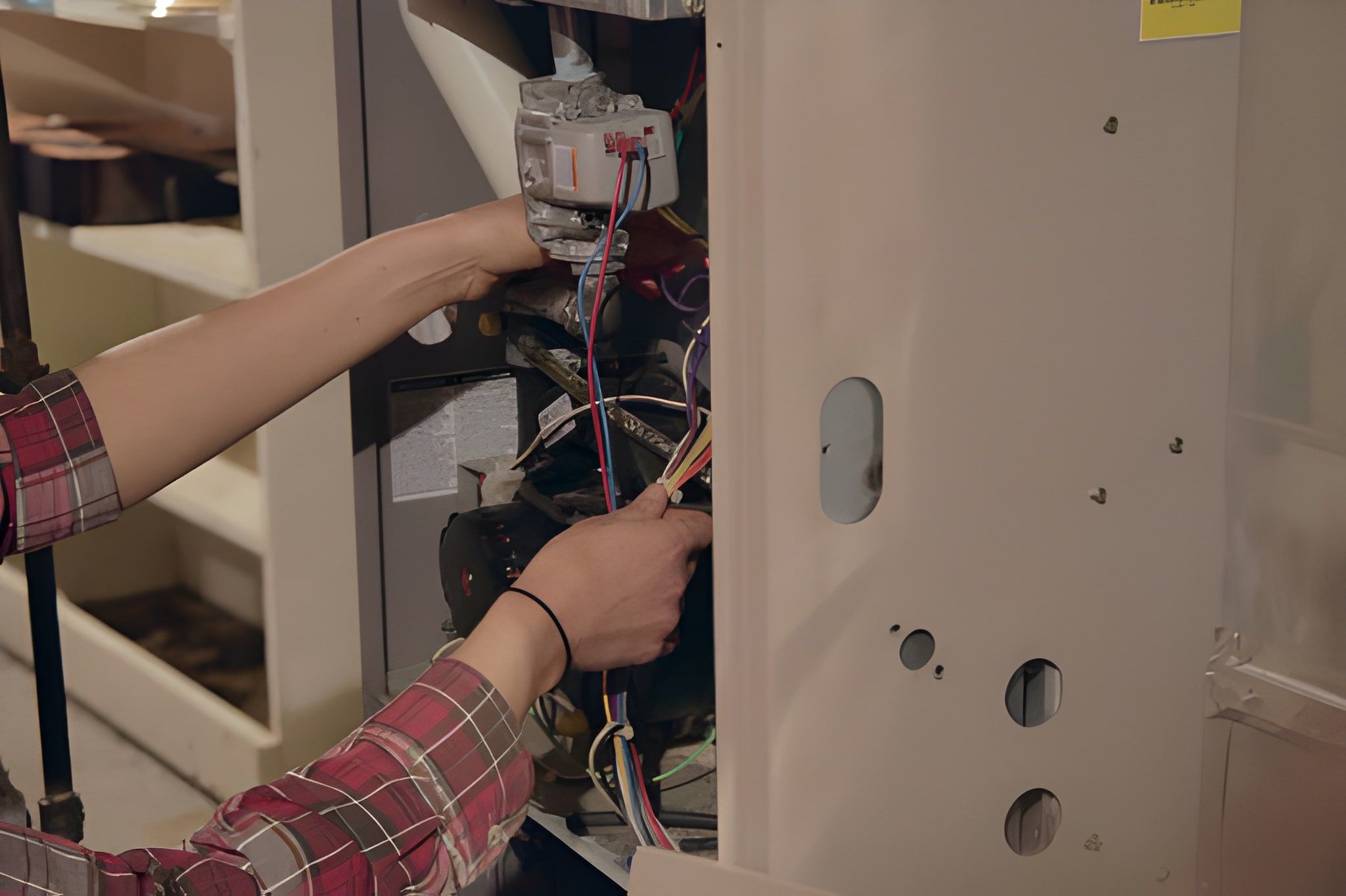
Heating Repair in El Monte, CA
When your heater fails on a chilly El Monte morning, it disrupts comfort and can create safety concerns for your household. Even though the San Gabriel Valley has relatively mild winters, many El Monte homes rely on furnaces, heat pumps, or gas wall heaters that still require dependable service. This page explains common heating symptoms, how a technician diagnoses problems, typical repairs and parts replaced, emergency response expectations, and practical prevention tips tailored to El Monte homes.
Common heating repair symptoms in El Monte homes
Recognizing early signs speeds restoration and can prevent costly damage. Look for:
- No heat or weak airflow from vents despite the thermostat being set correctly.
- Short-cycling (heater turns on and off rapidly) which reduces comfort and raises energy use.
- Strange noises: rattling, banging, humming, or high-pitched squeals from the furnace or ductwork.
- Pilot or ignition failures on gas furnaces: clicking, continuous attempts to light, or no ignition at all.
- Persistent odors of burnt dust (short-term after long idle) or, more seriously, sulfur/rotten-egg smell indicating possible gas leaks.
- Frequent thermostat errors or inconsistent temperature from room to room.
- Visible signs of malfunction: soot around burners, water pooling from heat pump condensate, or an unusual rise in carbon monoxide detector levels.
Why heating problems happen in El Monte
Local conditions and typical home systems shape failure patterns:
- Many El Monte residences are older and may have aging furnaces or duct systems that need more frequent attention.
- Lower winter usage compared with colder climates can allow dust and debris to accumulate in equipment between seasons, leading to ignition or airflow issues.
- Coastal-adjacent air and seasonal humidity swings can promote corrosion in condensate lines or outdoor heat pump components.
- DIY thermostat adjustments and deferred maintenance often result in avoidable failures during the occasional cold snap.
Diagnostic process: what to expect
A methodical diagnosis isolates the root cause so repairs are precise rather than guesswork. Typical steps include:
- Visual and safety inspection
- Check for gas leaks, carbon monoxide concerns, proper venting, and visible damage to equipment.
- Thermostat and electrical verification
- Confirm thermostat calibration, wiring integrity, and that power and breakers are functioning.
- Operational testing
- Run the system through a full cycle to observe startup behavior, ignition sequence, fan operation, and cycle duration.
- Component testing
- Measure voltages, resistance, and gas pressure as needed; test safety switches, limit controls, capacitors, and motors.
- Ductwork and airflow assessment
- Inspect filters, return vents, and ductwork for blockages, leaks, or disconnected sections affecting performance.
- Report and recommendation
- Provide a clear explanation of findings, repair options, and whether replacement is more cost-effective given age and condition.
Diagnostics in El Monte often reveal a mix of intermittent electrical faults, clogged filters, and aging ignition systems.
Typical repair procedures and parts commonly replaced
Repair strategies focus on safety, reliability, and restoring efficient heating. Common procedures include:
- Replacing air filters and cleaning blower assemblies to restore airflow and prevent overheating.
- Repairing or replacing ignition components: pilot assemblies, hot surface igniters, flame sensors, and gas valves.
- Fixing or swapping out the blower motor, belt, or fan capacitor when airflow is weak or noisy.
- Repairing short-cycling by addressing thermostat placement, refrigerant charge (for heat pumps), or faulty limit switches.
- Seal and insulation repair in ductwork to recover lost heat and improve comfort in multi-room homes.
- Repairing condensate drains and reversing valves on heat pumps to resolve water leaks and heating performance.
- Replacing control boards, relays, and safety switches when electronics fail.
- Addressing heat exchanger issues: small repairs or, if cracked or unsafe, recommending system replacement due to safety concerns.
Many replacement parts carry manufacturer warranties; technicians will document replaced components and any applicable coverage.
Emergency repairs and response times
Heating failures that risk safety or leave vulnerable occupants without heat require prompt attention. Typical service expectations in the El Monte area:
- Same-day diagnostic appointments are often available for non-life-threatening failures during business hours.
- Emergency or after-hours response options exist for issues involving no heat in extreme conditions, suspected gas leaks, or carbon monoxide detections.
- Initial arrival and on-site diagnostics usually occur within a few hours to 24 hours depending on time of day and local demand.
- Technicians carry common parts for quick repairs; more complex parts may require a short order-and-return visit to complete the fix.
Technicians prioritize safety checks first—shutting off unsafe equipment and securing the area when necessary.
Repair vs replacement: making the right decision
Deciding whether to repair or replace depends on several factors:
- Age of the system: furnaces older than 15–20 years or heat pumps over 10–15 years often justify replacement due to efficiency loss and recurring faults.
- Cost of the repair relative to remaining expected service life: multiple major repairs within a few years usually indicate replacement is more cost-effective.
- Safety concerns: cracked heat exchangers or repeated gas valve failures typically require replacement for household safety.
- Energy efficiency goals: newer systems can offer meaningful savings in energy use and improved comfort control in El Monte’s variable climate.
A technician should outline the expected lifespan and energy implications when recommending replacement.
Tips to prevent future breakdowns in El Monte
Routine care reduces emergency repairs and keeps systems efficient:
- Replace or clean HVAC filters every 1–3 months depending on use and indoor air quality.
- Schedule annual professional tune-ups before the heating season to test ignition, safety devices, and airflow.
- Keep outdoor heat pump units clear of debris and vegetation, especially during seasonal storms and pollen periods.
- Maintain proper thermostat placement away from direct sunlight or heat sources to avoid inaccurate cycling.
- Seal and insulate exposed ducts and attic access points to prevent heat loss common in older El Monte homes.
- Install or test carbon monoxide detectors regularly when you have gas-fired equipment to ensure early warning of dangerous leaks.
Regular maintenance preserves system performance and extends equipment life.
Final considerations
Heating repair in El Monte, CA requires a balance of safety-focused diagnostics, efficient repairs, and sensible long-term planning. Timely action on the symptoms above restores comfort and prevents escalation into larger failures. With the right inspections and routine maintenance tailored to El Monte’s housing stock and seasonal patterns, homeowners can improve reliability and keep heating costs under control while maintaining a safe indoor environment.
Customer
Testimonials
Our customers consistently praise the exceptional service and professionalism of our team. They appreciate the honest advice, meticulous work, and the care taken to ensure their satisfaction.

.webp)
Service Areas
