

Heating Tune-up in Carson, CA

Wondering how a seasonal heating tune-up in Carson, CA helps homeowners maintain safety, efficiency, and comfort? Plum HVAC is here to explain! We address climate-specific concerns like coastal salt air and humidity, common issues such as uneven heating and dirty filters, and provide a comprehensive tune-up checklist that includes crucial safety inspections, thorough cleaning, thermostat calibration, airflow checks, and combustion testing. We highlight the clear benefits of regular maintenance—improved efficiency, reliability, safety, longer equipment life, and preserved warranties—and offer practical guidance on scheduling, what to expect, and simple maintenance tips for between visits.
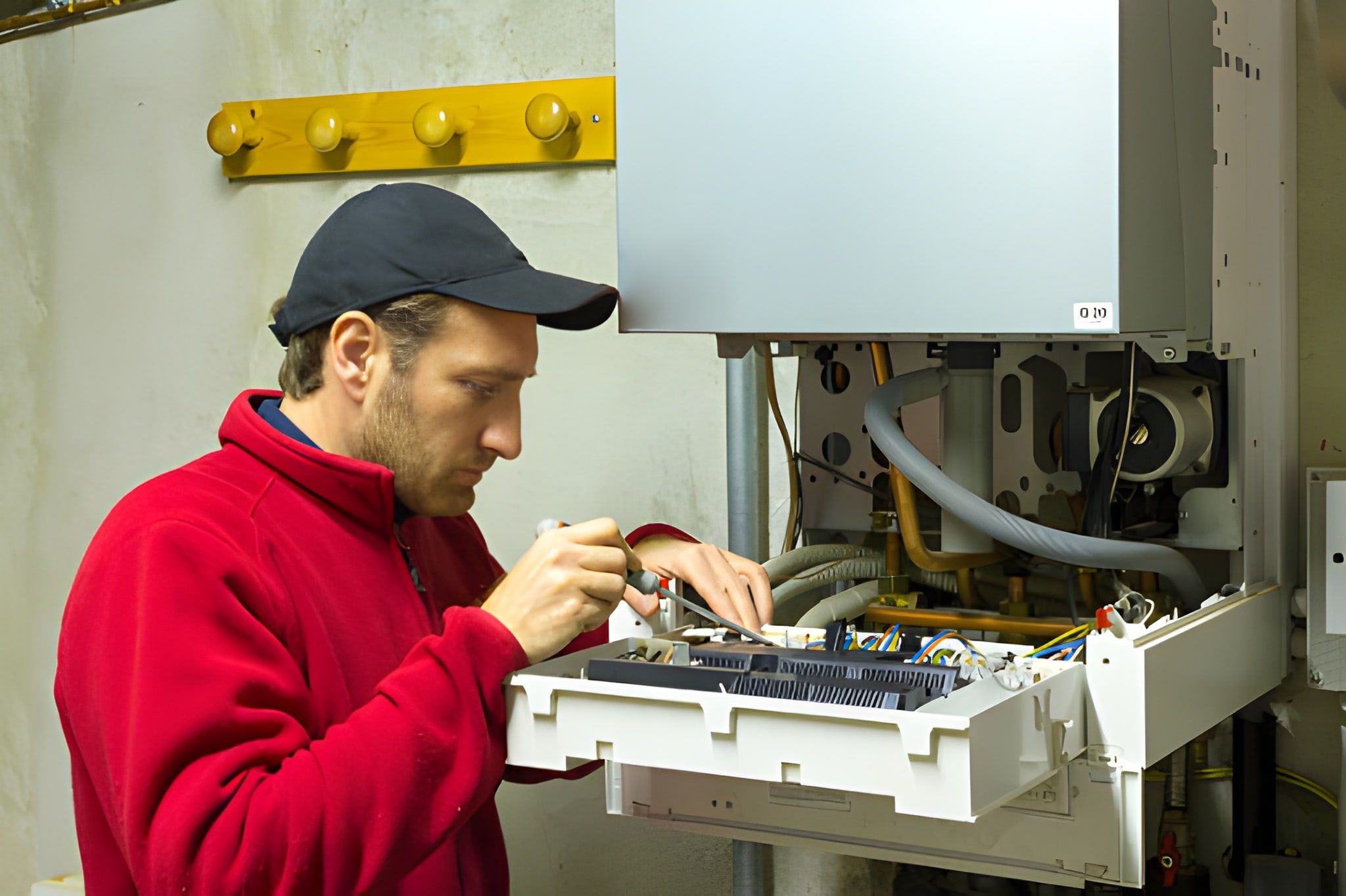
Heating Tune-up in Carson, CA
Seasonal heating tune-ups keep your home safe, comfortable, and energy efficient when temperatures drop across Carson, CA. Even though winters here are milder than in other regions, coastal humidity, marine-layer conditions, and occasional cold snaps mean your heating system still needs attention. A professional heating tune-up identifies small problems before they become costly failures, improves efficiency, reduces safety risks like carbon monoxide, and helps your system last longer.
Why a tune-up matters for Carson homes
Carson’s coastal-influenced climate and urban setting create specific stresses on HVAC equipment. Salt air and higher humidity near the coast can encourage corrosion of burners and electrical connections. Dust and vehicle traffic in the South Bay lead to more particulate buildup in filters and ducts. Because many homes in the area rely on gas furnaces, wall heaters, or heat pumps, an annual tune-up tailored to your equipment prevents ignition failures, fuel-combustion inefficiency, and poor airflow when you need heat.
Common heating problems in Carson, CA
- Uneven heating between rooms, often caused by duct leakage, blocked vents, or imbalanced airflow
- Short cycling (system turns on and off frequently), typically due to thermostat issues, dirty filters, or improper airflow
- Weak or noisy airflow from vents caused by failing blower motors, clogged filters, or duct restrictions
- Pilot light or electronic ignition failures on gas systems due to corrosion or dirty burners
- Increased energy bills from reduced efficiency caused by soot buildup, worn components, or incorrect thermostat calibration
- Odors at startup from dust burning off or from mold/mildew in ducts due to coastal humidity
What a typical heating tune-up includes
A thorough heating tune-up covers safety, cleaning, calibration, and performance testing. Below is a recommended checklist of tasks usually performed during a seasonal tune-up:
- Safety inspection
- Visual inspection for gas leaks, damaged venting, and proper clearances
- Carbon monoxide (CO) testing at the plenum and living spaces
- Check of safety controls, limit switches, and shutoff devices
- Cleaning and component care
- Clean burners, combustion chamber, and heat exchanger as required
- Remove dust and debris from the blower assembly and motor
- Inspect and clean condensate drain (for high-efficiency systems and heat pumps)
- Thermostat and control checks
- Calibrate thermostat and check temperature differentials
- Verify correct system settings and cycle sequences
- Filter and airflow
- Inspect filters and replace with the proper MERV rating if needed
- Measure airflow and static pressure to detect restrictions
- Inspect ductwork access points for visible damage or disconnections
- Combustion and performance testing
- Perform combustion analysis for gas furnaces (CO, CO2, and efficiency readings)
- Verify correct gas pressure and burner flame characteristics
- Check ignition sequence and pilot/electronic ignition operation
- Mechanical and electrical inspection
- Tighten electrical connections and test capacitors, relays, and motors
- Inspect belts and pulleys where applicable
- Lubricate moving parts that require oil
- Final verification
- Operate the system through a complete cycle to confirm stable operation
- Provide a written or verbal checklist of findings and recommended repairs
Diagnostic approach explained (in plain terms)
A tune-up begins with a visual and safety check to protect you and your home. Technicians then verify the combustion process on gas systems to ensure fuel is burning cleanly and safely. Cleaning burners and the heat exchanger improves heat transfer, which reduces fuel consumption. Measuring airflow and checking filters ensures heated air moves efficiently through your home. Finally, thermostat calibration matches what your thermostat reads to actual room temperatures so the system runs the correct amount.
If diagnostics reveal worn parts or safety concerns—like a cracked heat exchanger or dangerously high CO levels—those issues will be documented and explained. Addressing those problems promptly prevents emergency failures and health risks.
Benefits of regular tune-ups for Carson homeowners
- Improved efficiency: Cleaner burners and correctly set controls reduce fuel use and lower operating costs.
- Greater reliability: Early detection of worn components reduces the risk of breakdowns during cold weather.
- Enhanced safety: Combustion testing and CO checks protect your household from dangerous exhaust problems.
- Longer equipment life: Proper maintenance prevents accelerated wear on motors, heat exchangers, and controls.
- Better indoor air quality: Clean filters and reduced duct contamination minimize dust, allergens, and odors.
- Preserved warranty requirements: Many manufacturers require annual maintenance to keep warranties valid.
When to schedule and what to expect
For Carson, CA, the best time for a heating tune-up is late summer or early fall—before the first sustained cold spell—so your system is ready when you need it. Annual maintenance is recommended for nearly all systems; high-use or older systems may benefit from semiannual checks.
What to expect during an appointment:
- Arrival confirmation and a quick walkthrough to note vents and known issues
- A 60–90 minute inspection and tune-up for most residential systems (longer for complex or larger systems)
- Immediate reporting of any safety concerns and a clear explanation of findings
- A summary of service performed and recommendations for repairs or upgrades
Simple maintenance homeowners can do between tune-ups
- Replace or clean filters every 1–3 months depending on the filter type, pets, and family allergies
- Keep vents and return grilles clear of furniture and dust
- Ensure outdoor units and vents are free of debris, leaves, and nesting material
- Monitor for unusual sounds, odors, or changes in heating performance and note when they occur
How scheduling a tune-up typically works
Scheduling a professional tune-up generally follows these steps:
- Choose a convenient date range before the heating season begins.
- Provide basic system information (make/model, age, fuel type) and any known issues.
- Confirm access arrangements for the technician and expected arrival window.
- Expect a pre-service checklist and a post-service report detailing work completed and suggested follow-ups.
Customer
Testimonials
Our customers consistently praise the exceptional service and professionalism of our team. They appreciate the honest advice, meticulous work, and the care taken to ensure their satisfaction.

.webp)
Service Areas
