

Heating Maintenance in Carson, CA

Heating maintenance in Carson, CA offers proactive care to protect comfort, indoor air quality, and long-term costs by preventing failures through scheduled inspections, safety checks, and performance diagnostics. A comprehensive program covers routine tune-ups, airflow optimization, gas safety, condensate management, and timely part servicing, with clear inspection reports and proactive recommendations. Regular maintenance extends equipment life, maintains efficiency, and preserves warranties, while priority service options ensure faster repairs during peak demand, supporting reliable heat throughout cool seasons.
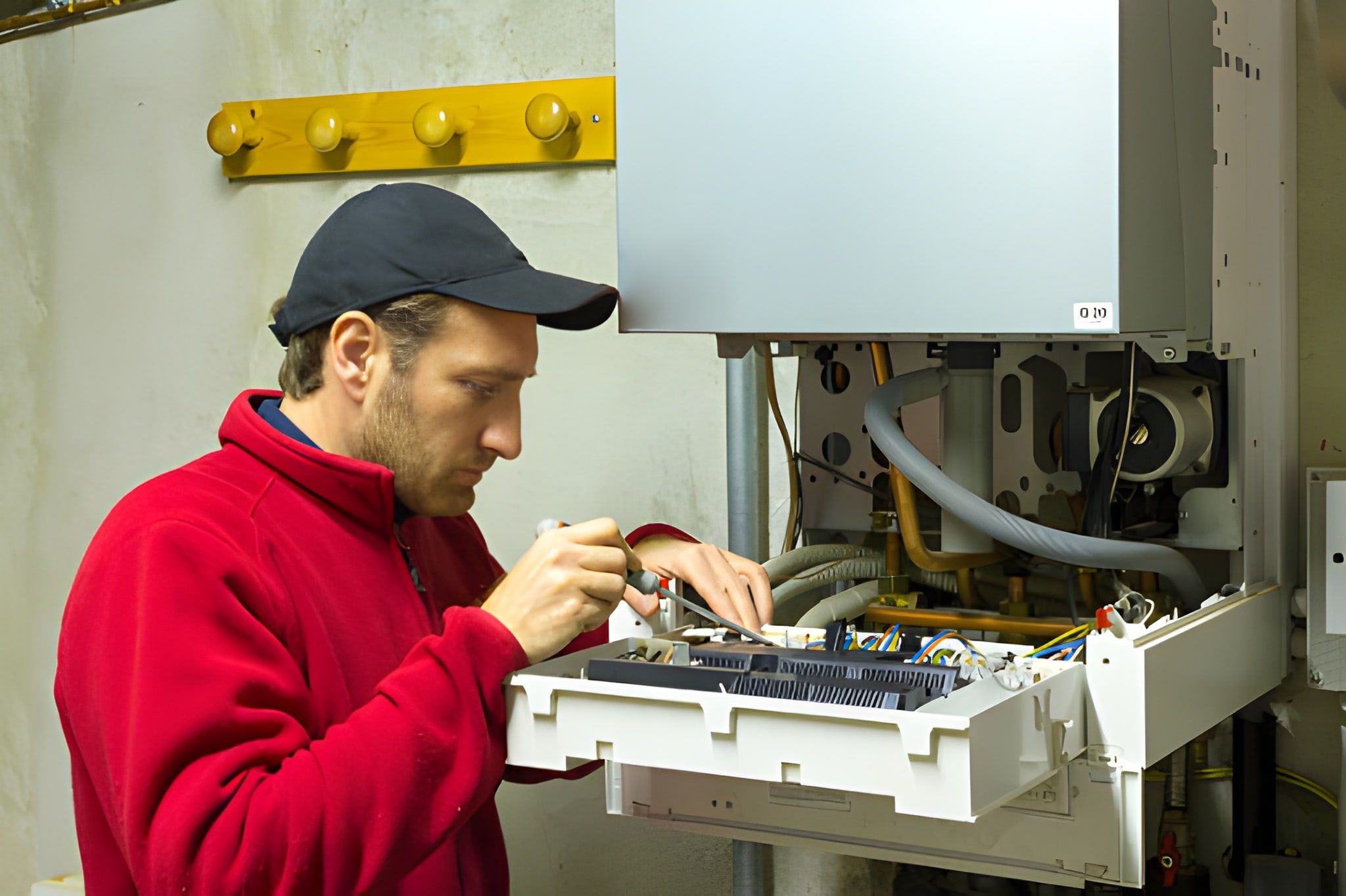
Common heating problems in Carson homes
- Weak or inconsistent heat — often caused by clogged filters, restricted airflow, failing blowers, or thermostat calibration issues.
- Frequent cycling or short-cycling — usually the result of airflow problems, oversized equipment, or control faults.
- Ignition and pilot issues (gas furnaces) — dirty burners, faulty ignitors, or corrosion can cause ignition failure or delayed starts.
- Reduced efficiency and higher bills — build-up on heat exchangers, dirty coils (heat pumps), or worn components reduce output and raise energy use.
- Corrosion and particulate buildup — coastal influence and nearby industrial air can accelerate corrosion on external components and dirty indoor filters faster than in inland areas.
- Condensate and drainage problems (high-efficiency furnaces and heat pumps) — blocked drains can cause system shutdowns or water damage.
What a comprehensive heating maintenance program covers
A structured maintenance agreement focuses on prevention and predictable care. Typical components include:
- Scheduled inspections before the heating season (recommended annually; biannual for older or high-use systems).
- Safety and combustion checks for gas furnaces: flame quality, combustion analysis, heat exchanger inspection, and carbon monoxide screening.
- Airflow and performance diagnostics: filter evaluation, blower motor inspection, duct pressure and vent checks.
- Electrical and control testing: tightness of connections, operation of relays, capacitors, and thermostat calibration.
- Component servicing: burner cleaning, ignition system checks, lubrication of moving parts as needed, and condensate line cleaning.
- Heat pump maintenance (if applicable): refrigerant checks, coil cleaning, reversing valve function, and defrost cycle assessment.
- Seasonal tune-ups that include an inspection report summarizing performance, recommended repairs, and parts condition.
- Record keeping so maintenance history is tracked for warranties and long-term system planning.
Parts replacement schedule and lifecycle guidance
Preventive replacement reduces emergency failures. Common timelines (industry guidance) include:
- Air filters: replace every 1–3 months depending on type, household pets, and local dust levels.
- Thermostat batteries: annually (or during each seasonal inspection).
- Belts and pulleys: inspect annually; replace if worn — typical service life 3–7 years depending on usage.
- Capacitors and relays: inspect annually; many fail between 5–10 years.
- Ignitors and flame sensors: inspect and clean at each service; replace when showing wear or inconsistent operation.
- Heat exchangers and coils: not routine replacements but inspected annually for cracks, corrosion, and efficiency loss; early detection avoids catastrophic failures.
These timelines depend on system age, model, and Carson-area conditions. A good maintenance agreement includes proactive recommendations so you can plan replacements before failures occur.
Diagnostic and service process — what to expect
A professional heating maintenance visit typically follows a clear process:
- Pre-inspection review of past service records and any reported issues.
- Visual and operational checks: filter status, vents, blower operation, and thermostat behavior.
- Safety inspections: gas pressure, flue and venting integrity, and carbon monoxide testing for combustion systems.
- Performance testing: temperature rise across the heat exchanger, refrigerant pressure (heat pumps), and airflow measurements.
- Minor preventive repairs performed on-site when safe and within agreement coverage, such as tightening electrical connections or clearing condensate lines.
- Post-visit report outlining findings, parts replaced, recommended repairs, and expected next service interval.
Priority service and agreement benefits specific to Carson residents
- Priority scheduling during cold snaps or high-demand periods reduces wait times for repairs and emergency visits.
- Preferred appointment windows and faster dispatch for covered breakdowns help avoid prolonged discomfort.
- Extended equipment life: regular maintenance commonly extends system life by several years and reduces major repair frequency.
- Improved efficiency: well-maintained systems typically run closer to optimal efficiency, lowering energy use and monthly costs—especially useful given California’s energy pricing trends.
- Preserved warranties: many manufacturers require documented annual maintenance to keep warranties valid.
- Better indoor air quality: routine filter and duct attention reduces pollen, dust, and pollutant circulation—important in urban and port-adjacent neighborhoods.
- Planned budgeting: service agreements allow predictable scheduling and repair planning without surprise disruptions.
Choosing the right maintenance plan for your home
Consider these factors when comparing plans:
- System type: heat pump, gas furnace, or hybrid systems each have different service needs.
- Age of equipment: older systems benefit from more frequent inspections and priority access to parts.
- Household conditions: pets, smokers, or nearby construction increase filter and coil fouling, warranting tighter maintenance intervals.
- Usage patterns: second homes or lightly used systems may need different scheduling than primary residences that run nightly.
Plans typically vary by inspection frequency, coverage of preventive repairs, emergency priority, and included diagnostics. Selecting a plan matching your system age and household conditions gives the best protection against breakdowns.
Simple preventive steps between visits
- Replace or inspect filters monthly to quarterly depending on type and household factors.
- Keep vents and return grilles unobstructed for proper airflow.
- Ensure exterior units (for heat pumps) are clear of debris and landscaping.
- Maintain working carbon monoxide detectors and test them regularly.
- Note unusual sounds, odors, or performance changes and document when they started for your next inspection.
Regular heating maintenance in Carson, CA reduces the chances of costly emergency repairs, increases system dependability during cool weather, and improves efficiency and indoor air quality. A tailored service agreement ensures scheduled care, faster response when problems arise, and clear guidance on parts replacement—helping your heating system perform reliably year after year.
Customer
Testimonials
Our customers consistently praise the exceptional service and professionalism of our team. They appreciate the honest advice, meticulous work, and the care taken to ensure their satisfaction.

.webp)
Service Areas
