

Heating Tune-up in Bellflower, CA

Heating tune-ups in Bellflower, CA help homeowners prevent winter breakdowns, improve safety, and boost comfort while reducing energy costs. The page outlines why regular maintenance matters in coastal California conditions, common issues like short cycling and poor airflow, and what a complete tune-up covers from safety inspections and combustion analysis to cleaning, electrical checks, and system performance verification. It also details diagnosis practices, system-specific focuses (gas furnaces, heat pumps, and ducts), scheduling recommendations, and what to expect during a typical appointment.
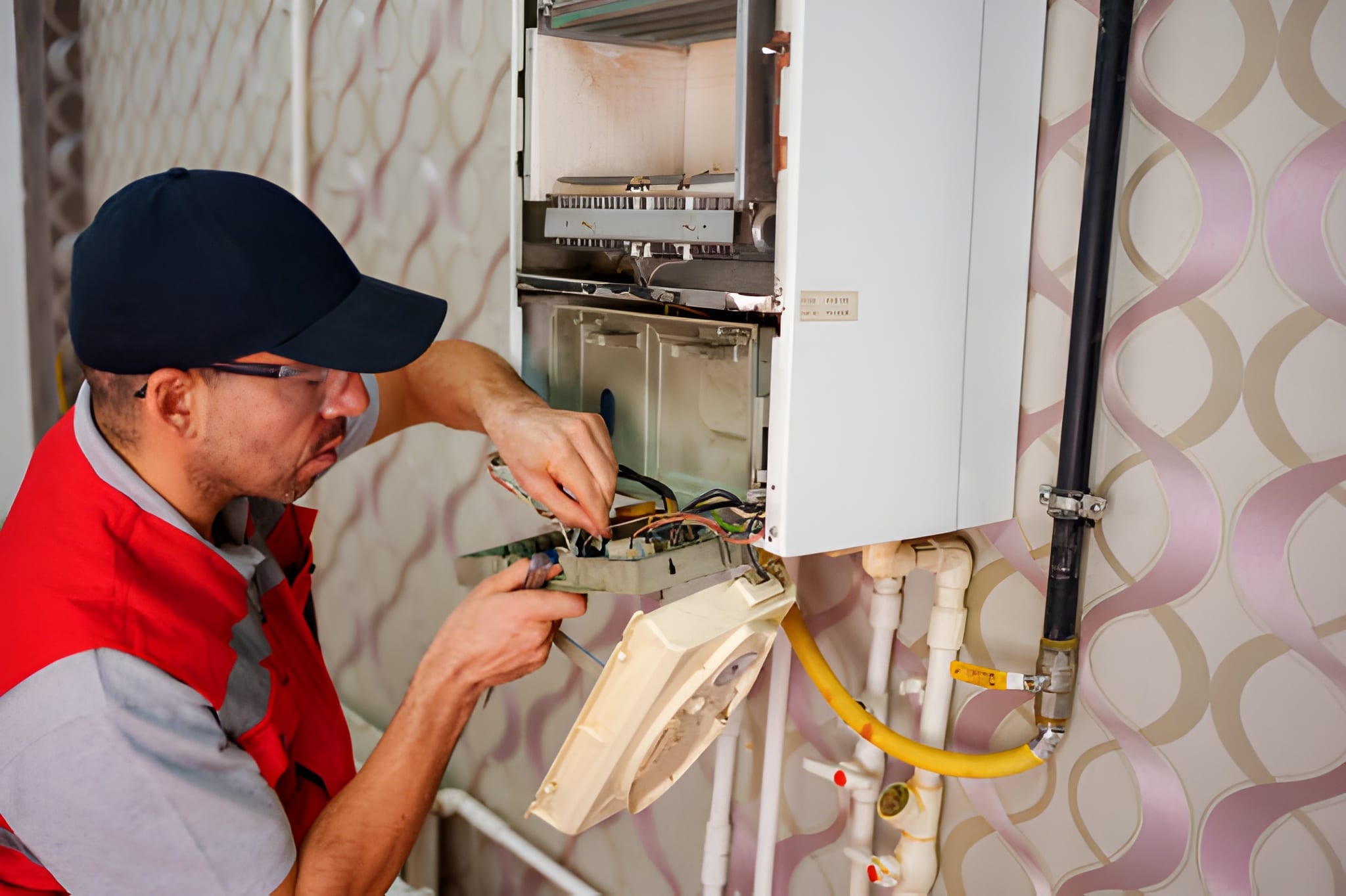
Heating Tune-up in Bellflower, CA
Keeping your home warm, safe, and energy efficient during the cooler months starts with a professional heating tune-up. In Bellflower, CA, where winters are mild but nights can get chilly and coastal humidity and salty air can accelerate wear, a seasonal heating tune-up prevents winter breakdowns, improves comfort, and reduces utility waste. This page explains what a complete heating tune-up includes, common heating problems in Bellflower homes, how technicians diagnose and fix issues, and practical maintenance schedules tailored to local conditions.
Why a heating tune-up matters in Bellflower, CA
Bellflower homes face a mix of coastal influences and Southern California temperature swings. Many systems run infrequently but must perform reliably when nights cool down. That means:
- Systems that sit idle develop dirt, corrosion, and ignition problems.
- Coastal air and humidity can cause faster corrosion of outdoor components and flue vents.
- Energy efficiency matters due to California utility rates and environmental priorities.A professional tune-up helps avoid emergency repairs, lowers monthly bills by optimizing performance, and protects indoor air quality and safety.
Common heating issues in Bellflower homes
Homeowners in the area typically report these problems by the time fall arrives:
- No heat or intermittent heating during cold evenings
- Short cycling (system turns on and off repeatedly)
- Higher-than-normal energy bills despite limited use
- Uneven temperatures between rooms
- Weak airflow or unusual noises from the system
- Persistent pilot light or ignition failures on gas furnaces
- Elevated carbon monoxide risk due to cracks in heat exchangers or poor venting
- Corroded outdoor unit components or flue vents from coastal air
What a complete heating tune-up includes
A thorough tune-up addresses safety, efficiency, and reliability. Typical steps include:
Inspection and safety checks
- Visual inspection of the furnace, heat pump, or air handler for corrosion, leaks, and wear
- Heat exchanger inspection to detect cracks or damage that could cause carbon monoxide leaks
- Flue and vent system inspection to ensure proper draft and no blockages
- Combustion analysis and carbon monoxide testing for gas-fired systems
Cleaning and mechanical maintenance
- Cleaning burners, coils, and combustion chambers to restore correct flame patterns and heat transfer
- Cleaning or replacing the air filter if clogged or dirty
- Cleaning blower assembly, motor, and fan to restore proper airflow
- Lubricating moving parts and checking belts and pulleys
Electrical and control adjustments
- Tightening and testing electrical connections for safety and reliability
- Thermostat calibration and performance verification for accurate temperature control
- Testing ignition systems and safety switches, including pilot lights and electronic igniters
Performance optimization
- Measuring system pressures and temperatures to confirm correct operation
- Adjusting gas pressure or refrigerant charge for heat pumps when necessary
- Verifying airflow and checking ductwork for obvious leaks or blockages
- Verifying two-stage and variable-speed operations where applicable
Final report and recommendations
- A clear summary of findings, any repairs made, and recommendations for part replacements or duct/vent improvements
- Suggested maintenance schedule to prevent future issues
How technicians diagnose problems
Technicians follow a methodical approach:
- Start with a system history and homeowner observations to target likely causes.
- Perform visual inspections and safety tests to rule out immediate hazards.
- Use diagnostic tools: combustion analyzers, CO detectors, multimeters, and airflow meters.
- Run the system under load to observe real-world performance, listening for noises and monitoring cycling behavior.
- Isolate component failures (blowers, igniters, valves, thermostats) and recommend repairs or replacements based on age and condition.
Tune-up specifics for different system types
- Gas furnaces: focus on burner and heat exchanger cleaning, combustion testing, venting, pilot or electronic ignition checks, and gas valve operation.
- Heat pumps and electric furnaces: emphasis on coils, reversing valves, refrigerant levels, defrost operation, and outdoor unit condition—especially important in coastal Bellflower where outdoor corrosion can reduce performance.
- Ducted systems: check for leaks, airflow balance, and filter condition to ensure even heating throughout the home.
Benefits of timely heating maintenance
Scheduling a professional tune-up before the cold season delivers measurable benefits:
- Improved safety through carbon monoxide testing and heat exchanger inspection
- Increased energy efficiency and lower operating costs by ensuring optimal combustion and airflow
- Reduced risk of midwinter breakdowns and expensive emergency repairs
- Longer equipment life and better long-term reliability
- Cleaner indoor air through filter checks and removing accumulated dust and debris
Recommended maintenance schedule for Bellflower homeowners
To keep systems reliable in our local climate:
- Annual professional heating tune-up in early fall for gas furnaces and heat pumps before heavy use.
- For heat pumps, consider inspections in both spring and fall to cover cooling and heating seasons.
- Replace or inspect filters every 1 to 3 months depending on filter type, household pets, and indoor air quality needs.
- Inspect outdoor units and vents periodically for corrosion or salt buildup, particularly after periods of marine layer or coastal winds.
- Address unusual noises, increased cycling, or spikes in energy use promptly rather than waiting for the annual visit.
What to expect during a tune-up appointment
A typical professional tune-up takes about 60 to 120 minutes depending on system condition and whether repairs are required. The technician will:
- Confirm your concerns and run initial safety checks
- Perform the full checklist of cleaning, testing, and adjustments
- Run the system and confirm performance improvements
- Provide a written summary of findings and maintenance tips for your specific system and home
Customer
Testimonials
Our customers consistently praise the exceptional service and professionalism of our team. They appreciate the honest advice, meticulous work, and the care taken to ensure their satisfaction.

.webp)
Service Areas
