

Heating Maintenance in Bellflower, CA

Bellflower, CA heating maintenance pages outline a comprehensive program designed to keep furnaces and heat pumps reliable, efficient, and safe. It explains typical maintenance tasks, from filter care and belt checks to safety inspections and performance testing, and details what a maintenance agreement covers, including scheduling, record-keeping, and multi-system options. The guide also notes local climate considerations, the inspection process, and the benefits of regular care, such as lower energy use, fewer emergency repairs, and longer equipment life.
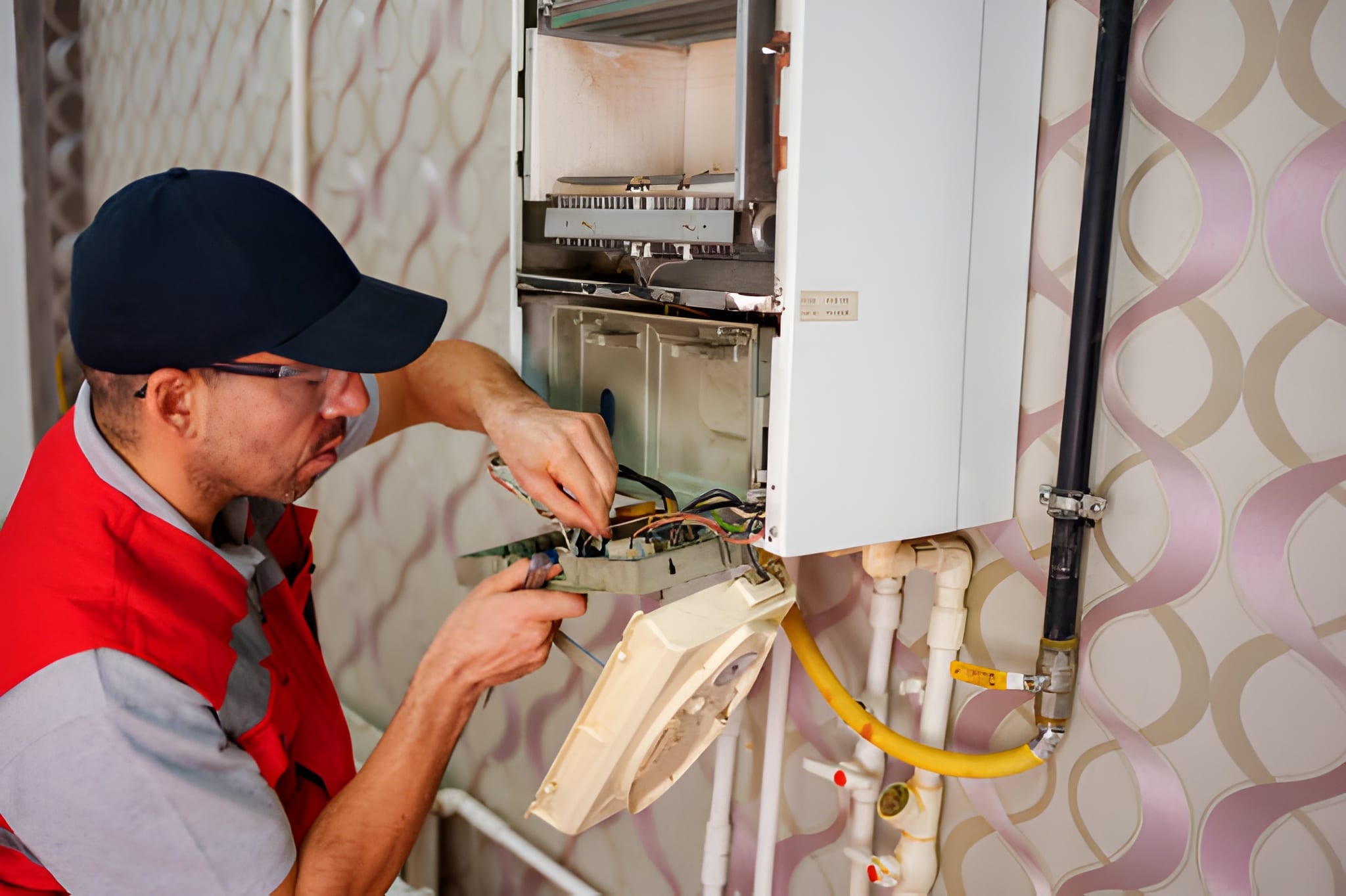
Heating Maintenance in Bellflower, CA
Keeping your heating system tuned and reliable is essential for comfort and cost control in Bellflower, CA. A tailored heating maintenance program helps prevent unexpected breakdowns, improves energy efficiency, and extends the life of furnaces and heat pumps commonly found in local homes. This page explains what regular heating maintenance looks like in Bellflower, what a maintenance agreement covers, and why scheduled care matters given the region’s climate and home types.
Why heating maintenance matters in Bellflower
Bellflower experiences mild winters but periodic cool spells, marine layer mornings, and seasonal air quality issues that can tax heating systems. Homes here often alternate between heating and cooling within the same week, which increases cycling and wear. Regular maintenance addresses the extra strain from humidity and coastal influences, helps the system adapt to rapid temperature changes, and reduces the risk of inefficient operation during colder nights.
Common heating maintenance issues in Bellflower, CA
Understanding common heating maintenance issues in Bellflower helps homeowners recognize why scheduled service pays off:
- Clogged or dirty filters causing reduced airflow and higher energy use.
- Worn belts or pulleys in older blower assemblies leading to noise and decreased performance.
- Loose or corroded electrical connections causing intermittent operation or safety trips.
- Faulty safety controls and limit switches that can cause system shutdowns.
- Dirty burners, heat exchangers, or coils reducing heat transfer and increasing fuel consumption.
- Improper combustion or ventilation in gas furnaces leading to inefficient operation and potential safety concerns.
- Reduced efficiency from lack of lubrication, calibration, or refrigerant issues in heat pumps.
What a heating maintenance program includes
A comprehensive maintenance plan covers planned inspections and a standardized checklist so no critical item is missed. Typical elements include:
- Filter inspection and replacement or cleaning as needed
- Visual and mechanical inspection of belts, pulleys, and blower assembly
- Tightening and inspection of electrical connections and contactors
- Testing of safety controls, limit switches, and thermostat calibration
- Burner, heat exchanger, or heat pump coil cleaning and combustion check for gas systems
- Lubrication of motors and moving parts where applicable
- Refrigerant level check and coil condition for heat pumps
- Inspection of flue, venting, and condensate drains
- System performance testing to measure airflow, temperature rise, and overall efficiency
- Written report and service record documenting findings, actions taken, and recommended follow ups
The inspection and diagnostic process
Planned inspections follow a clear, repeatable process so you get consistent results each visit:
- Pre-inspection review: Service history and previous recommendations are reviewed from your maintenance records.
- Visual and safety inspection: Technicians check for clearances, venting, gas connections, and visible wear or corrosion.
- Component checks: Filters, belts, electrical connections, burners or coils, and safety devices are tested and adjusted or replaced as necessary.
- Operational testing: System is run through a full cycle to verify thermostat accuracy, proper ignition or compressor start, steady airflow, and correct temperature rise.
- Documentation: Findings, readings, parts replaced, and next-recommended service are recorded for your account.
These steps minimize guesswork, allowing technicians to spot developing problems early and provide reliable explanations and repair recommendations.
Benefits of regular heating maintenance
Regular maintenance delivers measurable benefits that matter to decision-minded homeowners in Bellflower:
- Improved efficiency and lower energy bills through clean components and proper calibration
- Greater reliability during cool spells and overnight lows
- Extended equipment life by reducing wear on motors, compressors, and heat exchangers
- Fewer emergency repairs and reduced overall repair costs by catching issues early
- Safer operation via tested safety controls and proper venting checks
- Better indoor air quality when filters and drains are maintained, relevant when local air quality is poor
- Predictable service scheduling to align with seasonal needs
How maintenance agreements work
Maintenance agreements provide structure and predictability for ongoing heating care. Typical program features include:
- Scheduled annual or biannual inspections timed for local seasonal needs
- Priority scheduling during peak cold snaps, ensuring faster access to service
- Flat-fee diagnostic visits or reduced labor for covered routine maintenance tasks
- Clear record-keeping of every service visit, parts replaced, and system performance data
- Customizable plans that specify which components are included, such as filters, belts, or safety controls
- Options for multi-system coverage if your home has a furnace plus a heat pump or separate units
Agreements streamline service by setting expectations upfront. Records kept under the agreement are valuable for warranty compliance and provide a service history that increases resale value for your home.
Local considerations for Bellflower homeowners
In Bellflower, minor coastal humidity and marine layer conditions can accelerate corrosion on outdoor units and affect electrical contacts. Homes that experience intermittent heating demand because of mild days followed by cool nights should expect slightly higher cycling-related wear. Seasonal events like wildfires and smoke can also increase filter clogging and indoor air concerns, making more frequent filter checks beneficial. Tailoring inspection timing to these local patterns—typically a fall inspection before winter use—is an efficient way to protect system health.
- Replace or clean filters at recommended intervals, and check them more often during smoky or dusty seasons.
- Keep outdoor heat pump units clear of debris and vegetation to maintain airflow.
- Note any unusual noises or odors and have them inspected before the next scheduled visit.
- Maintain consistent thermostat settings and address short cycling quickly to avoid overheating components.
Regular heating maintenance in Bellflower, CA ensures systems run safely, efficiently, and reliably throughout the mild but occasionally demanding local seasons. With planned inspections, thorough checklists, priority scheduling, and documented service records, a maintenance plan reduces surprises and helps your heating equipment deliver comfortable, trouble-free performance year after year.
Customer
Testimonials
Our customers consistently praise the exceptional service and professionalism of our team. They appreciate the honest advice, meticulous work, and the care taken to ensure their satisfaction.

.webp)
Service Areas
