

Heating Service in Long Beach, CA

Comprehensive heating services in Long Beach, CA are tailored to the area’s coastal climate, mild winters, and diverse mix of heating equipment. Professional technicians provide expert diagnostics, routine maintenance, and targeted repairs for gas furnaces, heat pumps, ductless systems, boilers, and packaged units. Special attention is given to corrosion prevention, condensate control, and airflow balancing to maintain reliable performance in humid, salt-rich conditions. Homeowners gain insight into repair versus replacement decisions, standard service procedures, technician expertise, and the long-term benefits of regular maintenance for efficiency, safety, comfort, and system longevity.
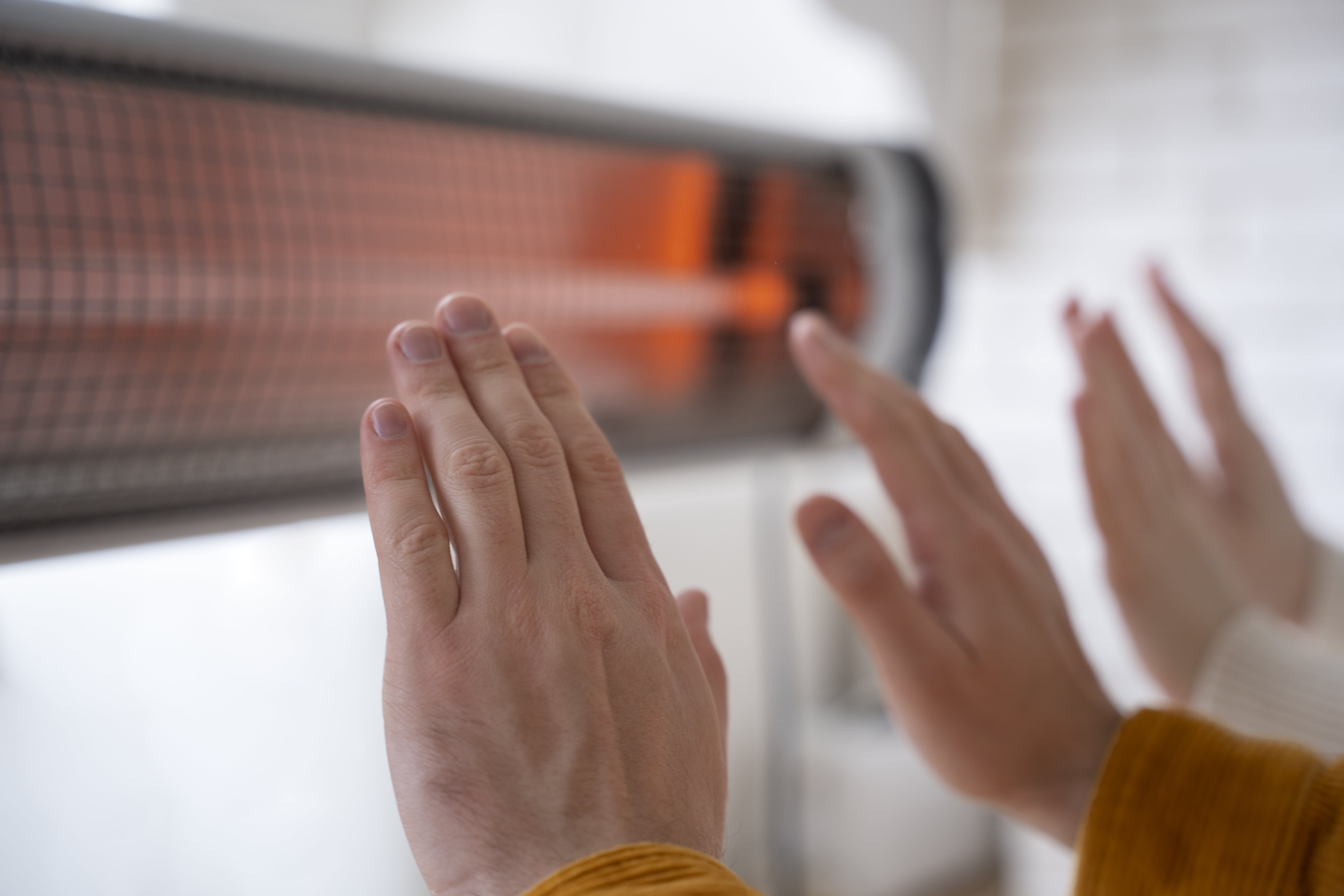
Heating Service in Long Beach, CA
Keeping your home comfortable year-round in Long Beach means choosing heating services designed for coastal conditions, mild winters, and the mix of equipment commonly found in local homes. Whether you have a gas furnace, heat pump, ductless mini-split, boiler, or packaged unit, professional heating service in Long Beach, CA includes thorough diagnostics, routine maintenance, targeted repairs, and efficient installations or replacements to maximize comfort, safety, and system life.
Why local heating service matters in Long Beach
Long Beach’s coastal climate means winters are generally mild but damp. That combination affects equipment differently than inland climates:
- Salt air accelerates corrosion on outdoor components and electrical connections.
- Humidity and marine layer conditions increase the risk of condensate and corrosion in heat exchangers and condensers.
- Many Long Beach homes use heat pumps or ductless systems for both heating and cooling, so technicians need expertise across multi-function equipment.
- Older housing stock and multi-family buildings can have aging ductwork and controls that reduce system efficiency.
Technicians familiar with Long Beach conditions will prioritize corrosion inspection, condensate management, and airflow balancing as part of every service.
Comprehensive heating services offered
- Diagnostics: systematic evaluation of performance, safety, and efficiency to pinpoint root causes.
- Routine maintenance: seasonal tune-ups that include cleaning, lubrication, filter replacement guidance, and system calibration.
- Repairs: targeted fixes for ignition, combustion, electrical controls, motors, compressors, reversing valves, and refrigerant-related issues.
- Installations and replacements: equipment sizing, removal, new installation, ductwork modification, and system commissioning.
- Controls and thermostat upgrades: smart thermostats, zoning systems, and integration for improved comfort and savings.
- Safety inspections: carbon monoxide checks, gas line integrity, venting and flue inspections, and combustion analysis.
Common heating problems in Long Beach homes
- Weak or inconsistent heat: often caused by airflow restrictions, dirty filters, failing blowers, or refrigerant issues in heat pumps.
- Short cycling: frequent on/off cycles due to oversized equipment, thermostat faults, or safety limit trips.
- Noisy operation: rattles, squeaks, or banging can indicate loose components, motor bearings, or duct issues.
- Ignition or pilot failures: common in gas furnaces due to worn igniters, dirty burners, or control module faults.
- Heat pump-specific issues: poor heating performance in low temperatures, reversing valve faults, low refrigerant, or defrost control problems.
- Corrosion and outdoor unit failure: salt air can corrode coils, electrical contacts, and fasteners on outdoor condensers.
- Uneven temperatures: duct leaks, poor insulation, or zoning/control issues.
The diagnostic and service process (what to expect)
- Arrival and safety check: technicians begin with visible safety and combustion checks, ensuring no immediate hazards.
- System history and symptoms: brief review of observed issues and past service history to target diagnostics efficiently.
- Visual and operational inspection: assess thermostats, filters, ducts, outdoor units, electrical connections, burners, heat exchangers, and condensate lines.
- Performance testing: measure airflow, temperatures, pressures (for refrigerant systems), and electrical loads to identify failing components.
- Clear options and findings: technicians explain the root cause in plain language, outline repair vs replacement tradeoffs, and how each option affects efficiency, safety, and long-term cost.
- Repair or replacement execution: repairs are completed with quality parts and standard safety practices. Installations include proper sizing, ductwork checks, and system commissioning.
- Post-service verification: systems are tested to confirm proper operation, thermostat calibration, and occupant comfort. Maintenance recommendations are provided.
Repair vs replacement: practical guidance
- Repair is typically the best choice when equipment is under 10–12 years old, performance issues are isolated, and the system is safe.
- Consider replacement when efficiency has degraded significantly, repairs are frequent or costly, the heat exchanger or compressor is failing, or when newer systems deliver clear energy savings and improved comfort (for example, replacing an old furnace with a modern heat pump that fits Long Beach’s mild climate).
- Proper sizing and duct condition are as important as equipment selection; a new high-efficiency unit won’t perform well with undersized or leaky ducts.
Brands and equipment commonly serviced
Technicians working in Long Beach are experienced with a wide range of residential brands and equipment types, including:
- Furnaces and packaged units: Carrier, Trane, Lennox, Goodman, Rheem, York, Bryant
- Heat pumps and ductless systems: Mitsubishi Electric, Fujitsu, Daikin, Carrier, Trane
- Boilers and hydronic systems: Weil-McLain, Burnham, Navien
- Controls and thermostats: Honeywell, Ecobee, Nest, and industry-standard zoning controls
Coverage typically includes both manufacturer-installed components and common aftermarket parts, as well as smart control integrations.
Technician qualifications and standards
Qualified Long Beach heating technicians commonly hold:
- HVAC contractor licensing required by the state and/or local jurisdiction
- NATE (North American Technician Excellence) or equivalent certifications that demonstrate proven technical competence
- EPA Section 608 certification for refrigerant handling (required for heat pump work)
- Regular manufacturer-certified training for complex equipment and controls
- Background checks, liability insurance, and adherence to safety and building code practices
A professional service emphasizes clear documentation, safety protocols, and a focus on long-term system performance.
Benefits of regular heating service and maintenance
- Improved efficiency and lower energy consumption: clean, well-tuned equipment uses less energy, especially important as energy costs rise.
- Extended equipment life: routine care prevents premature failure from neglect-related issues like corrosion and clogged components.
- Enhanced comfort and air quality: balanced airflow and clean components reduce hot/cold spots and limit dust circulation.
- Safety assurance: inspections catch carbon monoxide risks, gas leaks, and electrical faults before they become hazards.
- Predictable budgeting: planned maintenance reduces the likelihood of unexpected, high-cost emergency repairs.
Long Beach-specific maintenance tips
- Inspect outdoor units for salt buildup and rinse coils gently if salt residue is visible.
- Keep coastal landscaping trimmed to maintain airflow around outdoor equipment.
- Schedule maintenance outside of peak seasonal periods when possible to avoid delays.
- Consider heat pumps or hybrid systems tailored to Long Beach’s mild winters for year-round efficiency.
Professional heating service in Long Beach, CA focuses on diagnosing the true cause of discomfort or failure, protecting equipment against coastal stresses, and making recommendations that balance safety, efficiency, and long-term value. Regular maintenance and informed repairs keep your home comfortable, safe, and energy efficient in Long Beach’s unique coastal environment.
Customer
Testimonials
Our customers consistently praise the exceptional service and professionalism of our team. They appreciate the honest advice, meticulous work, and the care taken to ensure their satisfaction.

.webp)
Service Areas
