

Heating Repair in Long Beach, CA

Heating repair services in Long Beach, CA provide dependable solutions tailored to the challenges of coastal conditions. Technicians address common issues such as corrosion, electrical faults, ignition failures, and airflow problems through a detailed diagnostic process and precise part replacements. Homeowners benefit from same-day and emergency availability, transparent pricing, and clear warranty coverage, with guidance on when repair or replacement is the better investment. The service also offers maintenance tips to prevent future breakdowns, expected cost ranges for typical repairs, and expert support to restore comfort and efficiency in coastal homes.
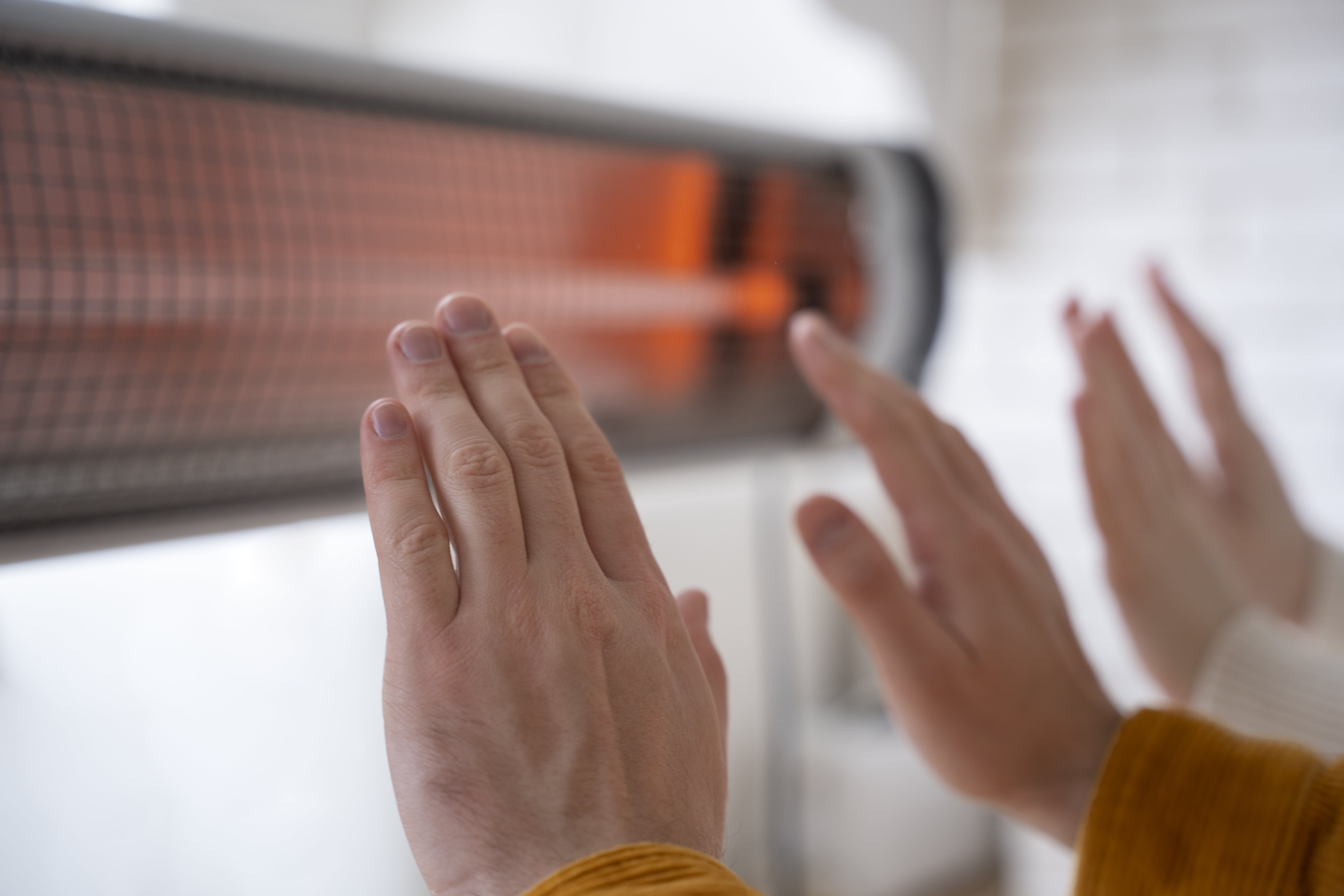
Heating Repair in Long Beach, CA
Keeping your home comfortable year round in Long Beach means reliable heating service when you need it. Even though the coastal climate is mild, marine layer nights and occasional cold snaps make a working heating system essential. Salt air and higher humidity in coastal neighborhoods can accelerate corrosion and electrical issues, so Long Beach homes have some characteristic failure patterns. This page explains common symptoms, the diagnostic process, typical repairs and parts replacement, same-day and emergency service expectations, warranty and labor considerations, transparent cost guidance, and how to decide between repair and replacement.
Common heating repair issues in Long Beach homes
Recognizing symptoms early reduces downtime and prevents safety risks. Watch for:
- No heat or insufficient heat despite the thermostat calling for warmth
- Intermittent operation where the system cycles on and off frequently
- Unusual noises such as rattling, buzzing, or squealing from the furnace or heat pump
- High energy bills with no change in usage patterns
- Odors like burning or rotten egg smell (which can signal dangerous issues)
- Pilot light or ignition failures on gas systems
- Ice formation or refrigerant leaks on heat pumps and mini-splits
- Poor airflow or uneven heating across rooms
These are typical common heating repair issues in Long Beach and often caused by simple maintenance needs or parts failure accelerated by coastal conditions.
Step-by-step diagnostic procedure
A methodical diagnosis identifies root causes without unnecessary parts replacement:
- Initial assessment: Confirm homeowner observations and thermostat settings, verify system type (gas furnace, electric furnace, heat pump, ductless mini-split).
- Safety checks: Test for proper power, gas supply pressure, and check for carbon monoxide or gas leaks when applicable.
- Visual and mechanical inspection: Inspect filters, burners, ignition system, blower motor, belts, and visible wiring for corrosion or wear.
- Electrical testing: Measure voltages, check capacitors, contactors, and controls for proper operation.
- Combustion and airflow testing: For gas systems run combustion analysis and inspect the heat exchanger; inspect ductwork and registers for blockages or leaks.
- Refrigeration diagnostics: For heat pumps check refrigerant pressures, verify defrost cycle operation, and inspect outdoor coil for corrosion or salt buildup.
- System performance check: Run the system through a full cycle, measure temperature differentials and monitor for abnormal sounds or cycling.
Documenting findings helps determine whether repair or replacement is most appropriate.
Typical repair solutions and parts replacement
Common repairs and parts that frequently resolve issues in Long Beach homes include:
- Filter and airflow fixes: Replace clogged filters, clear registers, and clean blower assemblies.
- Thermostat replacement or calibration: Replace faulty thermostats or reconfigure programmable settings.
- Ignition control and pilot repair: Replace ignition modules, thermocouples, or pilot assemblies on gas furnaces.
- Blower motor and capacitor replacement: Replace worn motors, bearings, or failed capacitors to restore airflow.
- Heat exchanger repair or replacement: Address cracked exchangers on gas furnaces; safety-first evaluation is required.
- Heat pump service: Repair refrigerant leaks, replace compressors or reversing valves, or service defrost controls.
- Control board and sensor replacement: Replace corroded control boards or defective sensors that cause erratic behavior.
- Duct sealing and insulation: Seal leaks and add insulation to improve efficiency and comfort.
Parts selection should consider corrosion-resistant components where salt air exposure is a factor.
Emergency and same-day service availability
Heating failures can be urgent. In Long Beach, same-day and emergency heating repair Long Beach requests are commonly handled with priority scheduling during colder weather and holidays. Typical response time expectations:
- Same-day service: Often within 4 to 8 hours during business hours, depending on demand and traffic.
- Emergency after-hours: Response windows typically range from 1 to 6 hours for urgent safety issues.Response times vary by season and service load. For safety-related failures such as suspected gas leaks or carbon monoxide alarms, prioritize immediate safety measures and professional emergency diagnostics.
Warranty, labor, and transparency
Understanding warranties and labor coverage protects homeowners:
- Manufacturer warranties: Major components often carry manufacturer warranties that vary by part, commonly from 1 year up to 10 years for some compressors or heat exchangers depending on the brand.
- Labor warranties: Independent repair labor warranties commonly range from 30 days to 180 days depending on the complexity of the work.
- Written estimates and documentation: Expect a clear written estimate listing parts, labor, and any warranty terms before work begins. Keep receipts and warranty cards for future claims.
- Permits and local code: Some replacements or major repairs may require permits or inspections under Long Beach building codes.
Cost estimates and transparent pricing
Costs depend on system type, accessibility, and part availability. Typical ranges (for Long Beach homes) include:
- Diagnostic fee: Commonly a flat fee that covers the inspection and initial troubleshooting.
- Thermostat replacement: $150 to $450 depending on model and compatibility.
- Capacitor, contactor, or relay: $120 to $350 installed.
- Blower motor replacement: $350 to $900 depending on motor type and labor.
- Ignition control or gas valve: $200 to $700 installed.
- Refrigerant leak repair and recharge: $250 to $1,200 depending on refrigerant type and leak location.
- Heat exchanger or compressor replacement: $1,200 to $4,000 depending on system size and warranty status.
Factors that affect price include unit accessibility, unit age, parts availability, need for permits, and seasonal demand. A transparent written estimate should break down parts, labor hours, and any taxes or permit fees.
When to repair versus replace
Use these guidelines specific to Long Beach homes:
- Age of the system: Systems under 10 years are generally good candidates for repair. Systems older than 15 years often justify replacement.
- Cost comparison: If repair cost is more than 50 percent of a reasonable replacement estimate, replacement is often more cost effective long term.
- Frequency of breakdowns: Multiple repairs within a short period indicate declining reliability and favor replacement.
- Efficiency and comfort goals: Newer systems and heat pumps provide better efficiency and humidity control, valuable in coastal climates.
- Safety concerns: Cracked heat exchanger or severe gas leaks warrant immediate replacement for safety reasons.
Maintenance and long-term benefits
Timely repairs and preventive maintenance extend equipment life and reduce running costs. Recommended practices for Long Beach homes:
- Schedule annual heating and heat pump tune-ups before the cooler months.
- Replace filters every 1 to 3 months and keep outdoor units clear of salt, vegetation, and debris.
- Protect outdoor equipment from salt spray when possible and consider corrosion-resistant parts.
- Seal and insulate ductwork and attic spaces to improve efficiency.
Prompt heating repair in Long Beach, CA preserves home comfort, improves energy efficiency, and reduces safety risks. Regular maintenance and informed repair decisions keep systems running reliably in the coastal environment.
Customer
Testimonials
Our customers consistently praise the exceptional service and professionalism of our team. They appreciate the honest advice, meticulous work, and the care taken to ensure their satisfaction.

.webp)
Service Areas
