

Heating Replacement in Santa Fe Springs, CA

Heating replacement in Santa Fe Springs, CA helps homeowners navigate a complete, locally tailored process from evaluation to final installation. Services include assessing existing systems, comparing options such as gas furnaces, electric heat pumps, and hybrids, estimating costs and energy savings, removing old equipment, and planning a realistic timeline. Additional support covers rebates, financing, permitting, and tips for maintaining performance and indoor air quality after replacement to maximize comfort and long-term savings.
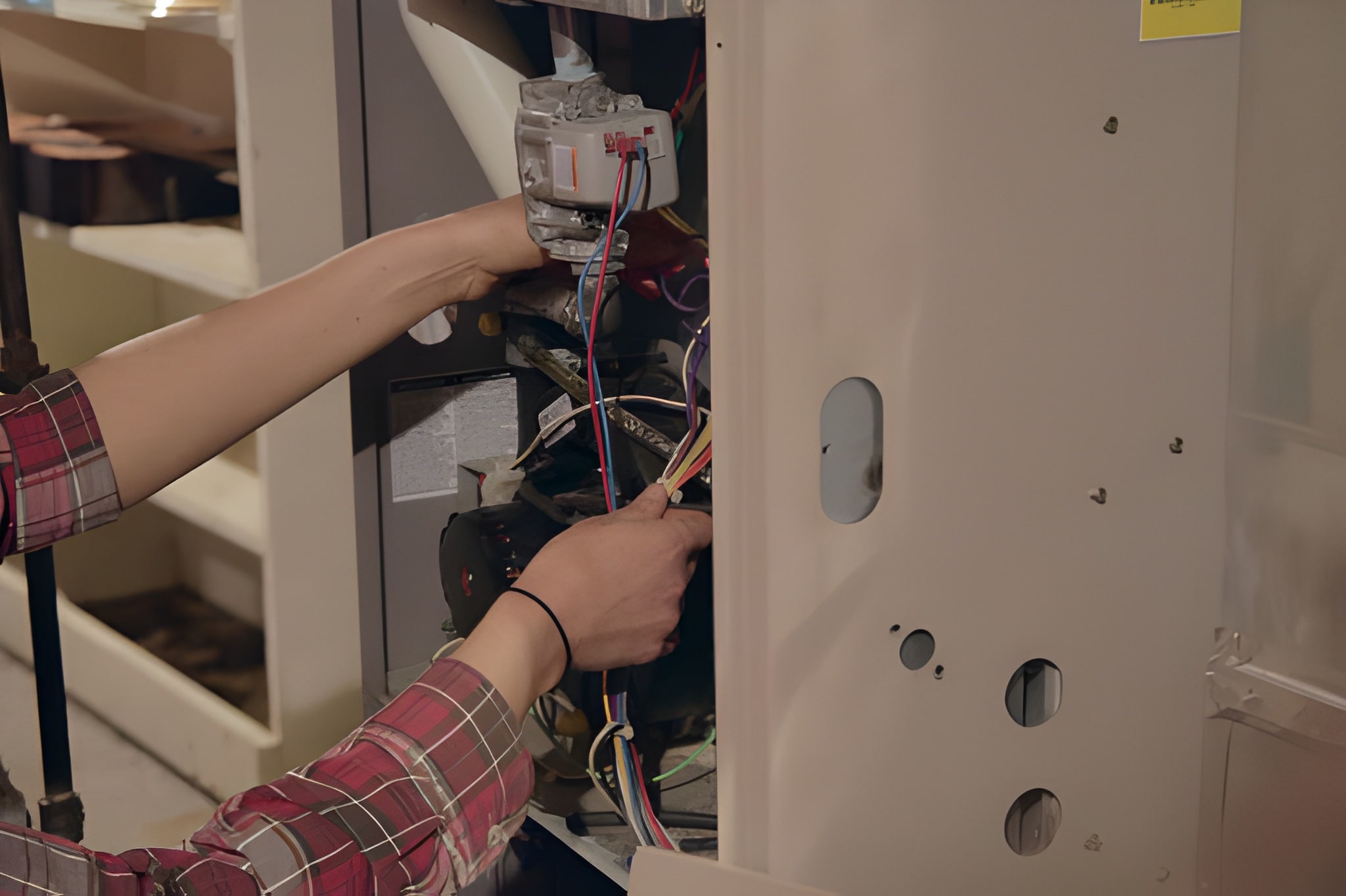
Heating Replacement in Santa Fe Springs, CA
Replacing aging heating equipment is about comfort, safety, and long-term cost control. In Santa Fe Springs, CA, where winters are mild but occasional cold snaps still make reliable heating necessary, a properly planned heating replacement ensures consistent indoor comfort without high energy bills. This page explains the full heating replacement process for Santa Fe Springs homes: how we evaluate existing systems, compare replacement options, estimate costs and energy savings, handle removal and disposal, outline a realistic installation timeline, and describe available rebates and financing — all with local factors in mind.
Why replace your heater in Santa Fe Springs
Many homeowners delay replacement until their system fails. Common reasons to consider replacement sooner include:
- Frequent breakdowns or rising repair costs as parts age and efficiency drops.
- Uneven heating or discomfort caused by undersized equipment or failing components.
- High energy bills despite mild winters, often from old furnaces, inefficient heat pumps, or leaky ductwork.
- Air quality or safety concerns, such as combustion issues or suspected carbon monoxide leaks in older gas systems.
- Desire to electrify or improve efficiency, driven by local incentives and long-term savings.
Local factors matter: Santa Fe Springs’ generally mild climate means heat loads are often lower than in colder regions, making high-efficiency electric heat pumps a particularly attractive option. Proximity to urban and industrial areas can increase indoor air quality concerns, so addressing filtration and ventilation during replacement is often wise.
Common heating problems we diagnose during evaluation
When we evaluate an existing heating system in a Santa Fe Springs home, we look for:
- Age and service history: how long the unit has been in service and frequency of repairs.
- Efficiency loss: decreased output for the same energy input.
- Capacity mismatch: equipment that is too large or too small for the home’s actual heat load.
- Ductwork condition: leaks, poor insulation, or design issues that reduce distribution efficiency.
- Combustion safety and ventilation for gas systems, including furnace venting, draft, and CO risk.
- Thermostat and controls compatibility, including zoning or smart controls opportunities.
A thorough evaluation balances equipment condition, home envelope (insulation, windows, air sealing), and occupant comfort goals to recommend the most cost-effective replacement.
The heating replacement evaluation process
- Initial inspection and interview: review your system’s history, comfort problems, and priorities (cost, efficiency, electrification).
- Load calculation: perform a sizing assessment that considers insulation, square footage, orientation, and local climate to determine the correct capacity (not simply replacing “like for like”).
- Duct and ventilation assessment: inspect ducts for leaks, measure static pressure, and check vents to ensure proper airflow.
- Fuel and infrastructure review: confirm gas line capacity, electrical service, and whether your attic or mechanical room supports new equipment.
- Options comparison and estimate: present replacement options with expected performance, operating costs, and potential energy savings for Santa Fe Springs conditions.
Comparing replacement options: efficiency, capacity, fuel type
When comparing options, we evaluate efficiency, capacity, and fuel type together.
- High-efficiency gas furnaces
- Pros: strong heating output for very cold days, familiar technology for many homeowners.
- Cons: fuel cost volatility and combustion-related maintenance; less attractive where electrification incentives exist.
- Efficiency measured by AFUE (higher is better).
- Electric heat pumps (air-source and ductless mini-splits)
- Pros: excellent efficiency in Santa Fe Springs mild-winter climate, provide both heating and cooling, lower operating cost per unit of heat in many cases.
- Cons: performance can decline in extreme cold (less relevant locally); may require electrical upgrades for older homes.
- Efficiency measured by SEER/HSPF and heat pump-specific metrics.
- Hybrid systems
- Pros: combine a heat pump with a gas furnace to optimize efficiency and comfort across varying temperatures.
- Cons: higher upfront system complexity.
- Ductless mini-splits
- Pros: great for room-by-room control, can avoid ductwork upgrades.
- Cons: best for zoned applications; aesthetic considerations for indoor units.
Capacity must be right-sized based on the load calculation. Oversizing causes short-cycling and comfort issues; undersizing leaves you cold on the rare colder nights.
Cost and energy-savings estimates
Instead of a fixed price, replacement cost is influenced by:
- Equipment type and efficiency level selected.
- Complexity of installation: duct modifications, electrical upgrades, or structural work.
- Removal and disposal requirements for the old system.
- Permitting and inspection requirements.
Energy savings depend on what you replace and how your home is used. Typical outcomes for Santa Fe Springs homes include:
- Improved system efficiency translating into lower seasonal energy use.
- Potential energy savings of 20 to 40 percent when upgrading from an old gas furnace to a modern heat pump or high-efficiency furnace, adjusted for local utility rates and weather.Estimates are always personalized; a replacement proposal should show projected annual energy use and payback scenarios based on your specific home and usage.
Removal, disposal, and installation timeline
- Safe removal: older systems are disconnected, gas lines capped, and electrical circuits safely isolated. Refrigerant-containing equipment must have refrigerant recovered by a certified technician and disposed of per environmental regulations.
- Disposal and recycling: metal, electronics, and refrigerants are recycled or handled according to state and federal requirements.
- Typical timeline: a straightforward replacement in a home with compatible ductwork and electrical service can often be completed in a day or two. More complex projects involving ductwork changes, electrical upgrades, or structural work typically take several days to a week.
- Permits and inspections: local permitting and final inspections can add to the schedule; we factor typical Santa Fe Springs permitting timelines into the plan.
Rebates, financing, and regulations in Santa Fe Springs
California offers various incentives that frequently apply to heating replacements, and local utility or state programs may provide rebates for high-efficiency equipment or electrification projects. Financing options designed for home energy upgrades are commonly available to spread costs over time. Additionally, installations must meet local building codes and state efficiency standards, so replacement proposals should include compliance details and any paperwork needed for rebates or inspections.
Expected performance improvements and maintenance tips
After replacement, homeowners typically notice:
- More consistent indoor temperatures and faster recovery from setback settings.
- Lower energy use per heating degree, improved comfort, and quieter operation.
- Better indoor air quality if filtration or ventilation is upgraded during replacement.
To protect your investment:
- Schedule annual or biannual tune-ups, especially for combustion systems or to check refrigerant charge and airflow on heat pumps.
- Keep filters clean and maintain clear airflow around outdoor units.
- Seal and insulate ducts where accessible to preserve efficiency gains.
Replacing your heating system in Santa Fe Springs is more than swapping equipment. Proper evaluation, correct sizing, attention to ductwork and controls, and awareness of local climate and incentives deliver reliable comfort and long-term savings. A well-planned heating replacement modernizes performance, improves indoor air quality, and positions your home for current and future energy priorities.
Customer
Testimonials
Our customers consistently praise the exceptional service and professionalism of our team. They appreciate the honest advice, meticulous work, and the care taken to ensure their satisfaction.

.webp)
Service Areas
