

Heating Repair in Santa Fe Springs, CA

Heating repair guidance for Santa Fe Springs residents explains common failure modes, diagnostic steps, typical repairs, pricing expectations, and warranty considerations. The page outlines ignition, blower, thermostat, and refrigerant issues, plus safety concerns and after-hours options. It also covers when repair is wiser than replacement, the benefits of regular maintenance, and what to expect from technicians during a service visit. Readers gain clear, practical insights to evaluate options and protect home comfort year-round. This guide supports informed, confident decisions today.
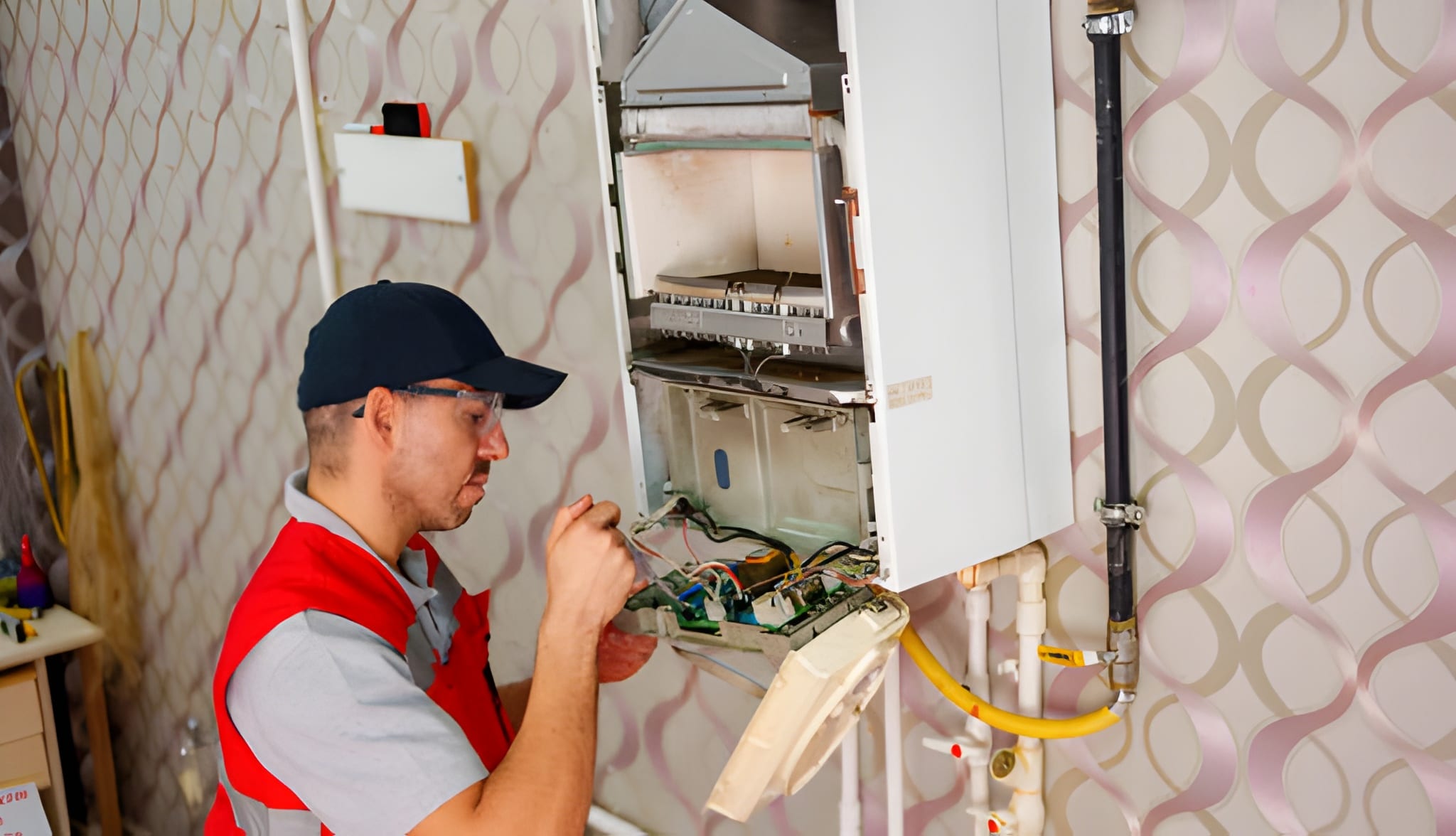
Heating Repair in Santa Fe Springs, CA
A reliable heating system keeps your home safe and comfortable through Santa Fe Springs cooler nights and infrequent cold snaps. Even though Southern California winters are milder than inland climates, households still rely on furnaces, heat pumps, and ductless systems for consistent comfort. When a heater fails, the problem is often predictable: ignition issues, weak airflow, unusual noises, thermostat errors, or leaks. This page explains common heating failure modes in Santa Fe Springs homes, how technicians diagnose problems, the typical repair procedures and parts used, emergency and after-hours considerations, what to expect on pricing and warranties, and guidance on when repair versus replacement is the smarter choice.
Why timely heating repair matters in Santa Fe Springs
- Mild winters can mask developing issues until they cause breakdowns during a cold night or when systems switch modes for heating after heavy summer use.
- Many local homes use combined cooling/heating systems, so wear from year-round cooling can accelerate heating component failure.
- Undiagnosed problems like a cracked heat exchanger or a gas leak create safety risks that warrant immediate attention.
Common heating issues in Santa Fe Springs homes
- Ignition and pilot problems: Failed hot surface igniters, dirty pilot orifice, or faulty flame sensors prevent burners from lighting.
- Blower motor and airflow failures: Burnt capacitors, worn blower motors, clogged filters, or blocked ducts lead to weak or no airflow.
- Thermostat malfunctions: Incorrect settings, dead batteries, loose wiring, or incompatible smart thermostats produce inconsistent temperatures.
- Leaks and condensation: Refrigerant leaks in heat pumps or refrigerant lines, and condensate drain clogs in high-efficiency systems, reduce performance and risk water damage.
- Electrical and control board faults: Failed relays, faulty transformers, or corroded connections stop systems from responding or cycling properly.
- Safety-related failures: Carbon monoxide concerns, cracked heat exchangers, or gas valve malfunctions require prompt isolation and repair.
The diagnostic process: what to expect
- Visual and safety inspection: Technicians check vents, filters, combustion air paths, flue and vent connections, and look for signs of water, soot, or corrosion.
- System start-up and sequence testing: The ignition sequence, flame stability, blower operation, and thermostat communication are observed under load.
- Electrical checks: Voltage, amperage, and continuity tests identify motor, capacitor, or control issues.
- Airflow and duct assessment: Static pressure and temperature rise checks confirm the blower and ductwork are delivering proper airflow.
- Gas and combustion testing: Gas pressure, flame quality, and combustion efficiency checks identify problems that affect safety and performance.
- Leak detection and refrigerant checks (for heat pumps): Refrigerant levels and leak tests determine if recharge or line repairs are needed.
- Carbon monoxide test when fuel-burning equipment is involved: Any elevated CO reading triggers immediate shutdown and remediation.
Typical repairs, parts used, and average procedures
- Igniter or flame sensor replacement: Install new hot surface igniter or clean/replace flame sensor to restore reliable ignition.
- Gas valve and pilot assembly repair: Replace failed valves or pilot components; verify correct gas pressure and safe operation.
- Blower motor, capacitor, and belt work: Replace motors or capacitors, change belts, and rebalance or lubricate blower assemblies to restore airflow.
- Thermostat repair or recalibration: Replace batteries, update wiring, or replace the thermostat with a compatible model and verify programming.
- Condensate drain cleaning and trap repair: Clear blockages, replace damaged drain pans or traps to prevent water damage.
- Control board and electrical repairs: Replace faulty relays, transformers, or circuit boards and correct wiring issues.
- Refrigerant leak repair and recharge (heat pumps): Locate and repair leaks, evacuate, and recharge to specified refrigerant levels.
- Minor duct sealing and filter replacement: Replace filters, seal visible leaks, and add insulation where appropriate.
Emergency and after-hours response
- Fuel-burning equipment failures or suspected gas leaks and high carbon monoxide readings are safety-critical and treated as emergencies. Technicians will advise isolating the system and ventilating the space if safety is compromised.
- After-hours response typically focuses on stabilizing the system for safety and restoring minimal heat until full repair can be completed during regular service hours.
- Technicians performing emergency visits will follow safety steps: shutting off gas if necessary, confirming CO levels are safe, securing electrical hazards, and documenting conditions for any follow-up work.
Upfront pricing and warranty information (what to expect)
- Upfront estimates: Expect a clear, itemized estimate describing diagnostic fees, parts, and labor for recommended repairs. Estimates generally separate diagnostic costs from repair costs so you know what portion covers the inspection and what covers corrective work.
- Parts and labor warranties: Common practice is to offer limited warranties on parts (manufacturer warranties) and a service warranty on labor for a stated period. Warranty terms vary by part type and manufacturer; technicians should explain coverage periods for replaced components and what voids a warranty.
- Transparency: A qualified heating repair provider will explain why each part is needed, whether a used or remanufactured part is proposed, and the expected lifespan impact of the repair.
Repair versus replacement: how to decide in Santa Fe Springs Consider repair when:
- The system is relatively new or under warranty and parts failure is isolated.
- The repair cost is a small fraction of a new system and restores reliable, efficient performance.
- The system meets your comfort needs and runs safely after repair.
Consider replacement when:
- The heater is older (typical threshold 15-20 years for furnaces, 10-15 years for heat pumps) and multiple major components are failing.
- Repairs are frequent or the cumulative cost of repairs approaches the cost of a new, more efficient unit.
- Efficiency, indoor air quality, or safety concerns (cracked heat exchanger, repeated CO incidents) are present. In Santa Fe Springs, choosing a modern high-efficiency heat pump can deliver year-round energy benefits given mild winters and the need for efficient cooling in summer.
Maintenance and longer-term benefits
- Regular maintenance reduces emergency calls, improves system efficiency, and extends equipment life. Seasonal filter changes, annual combustion and safety checks for gas systems, and refrigerant inspections for heat pumps are standard recommendations.
- Proper maintenance also helps maintain warranty eligibility and preserves resale value for homes in the local market.
Customer
Testimonials
Our customers consistently praise the exceptional service and professionalism of our team. They appreciate the honest advice, meticulous work, and the care taken to ensure their satisfaction.

.webp)
Service Areas
