

Heating Replacement in Palos Verdes Estates, CA

Heating replacement in Palos Verdes Estates, CA involves an important decision—determining whether to repair or replace an aging system. The service explains when replacement offers better long-term value, how end-of-life assessments are conducted, and highlights modern, energy-efficient solutions such as high-efficiency furnaces, heat pumps, hybrid systems, ductless mini-splits, and smart controls. It details cost factors, removal procedures, installation timelines, potential savings, rebates, and financing options. Real-world examples demonstrate proven results, while maintenance recommendations ensure lasting performance, comfort, and efficiency for coastal California homes.
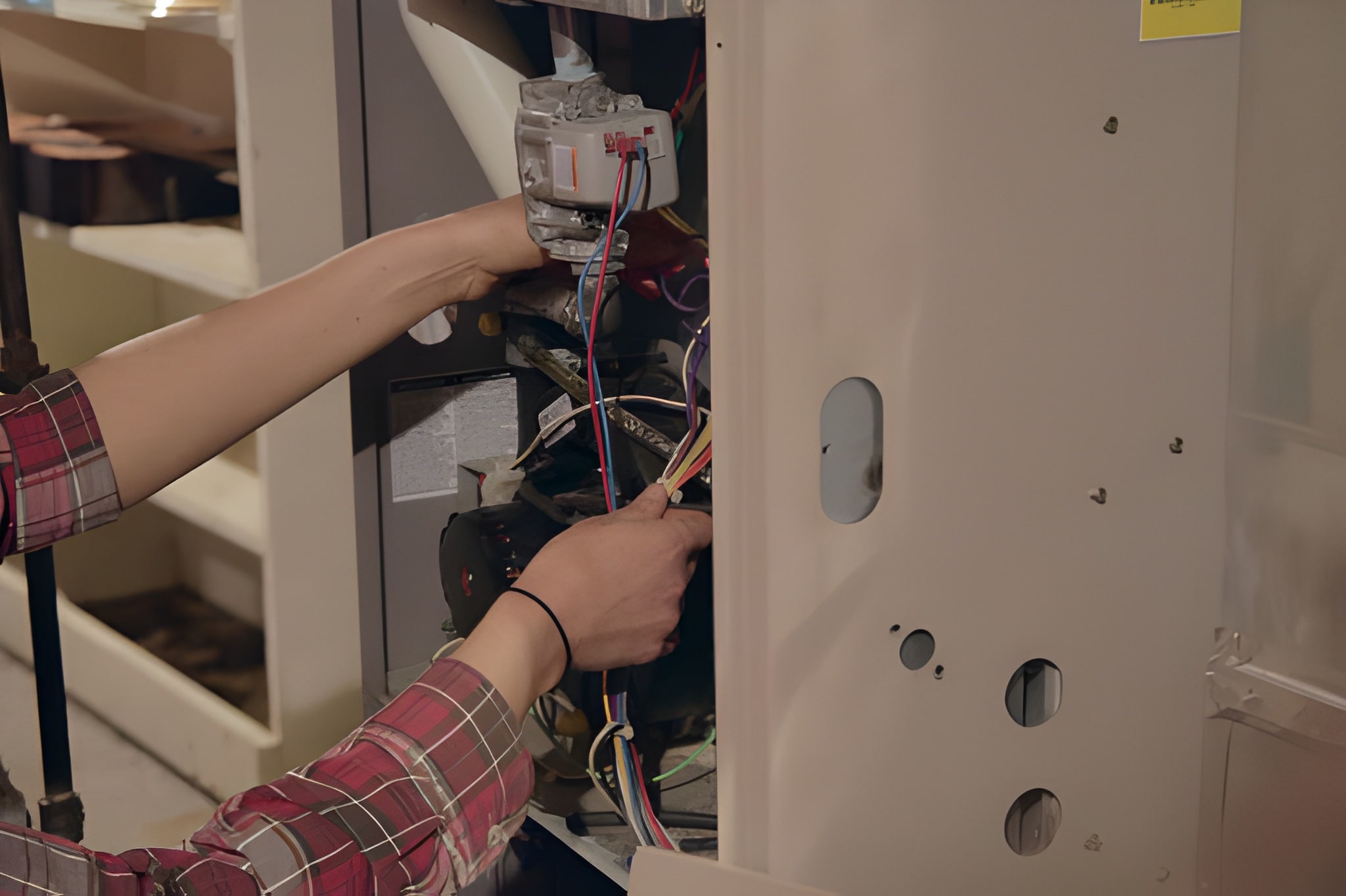
Heating Replacement in Palos Verdes Estates, CA
Replacing a heating system is a major home investment. In Palos Verdes Estates, CA, where mild coastal winters, hillside homes, and sea air influence equipment life, the right replacement can improve comfort, lower energy bills, and reduce corrosion-related failures. This page explains when replacement is recommended versus repair, how systems are evaluated for end of life, energy-efficient upgrade options, cost considerations, removal and disposal procedures, expected timelines, likely energy savings, rebate and financing pathways, and real-world case summaries to help you make an informed decision.
When to Replace Instead of Repair
Consider replacement when one or more of the following apply:
- The system is more than 12 to 15 years old and has a history of frequent repairs.
- Repair estimates approach or exceed 50 percent of a reasonable replacement cost.
- Parts are obsolete or use phased-out refrigerants or components.
- Equipment shows signs of corrosion or rust from coastal salt air, common in Palos Verdes Estates homes.
- Comfort problems persist after previous repairs: uneven heating, short cycling, or rising energy bills.
- Safety concerns exist, such as cracked heat exchangers, persistent carbon monoxide alarms, or electrical faults.
Opting for replacement typically yields better long term reliability and efficiency when age, safety, and frequent breakdowns are present. Repairs can be sensible for isolated failures on newer systems or when the issue is minor and infrequent.
Evaluation Process for End of Life Systems
A systematic evaluation determines whether replacement is appropriate:
- Visual inspection for corrosion, soot, leaks, or structural deterioration.
- Review of service history and frequency of past repairs.
- Performance testing: airflow, temperature rise, and system runtime.
- Safety checks: combustion analysis for gas equipment, carbon monoxide testing, and electrical integrity.
- Ductwork assessment: leaks, insulation, and sizing issues that affect comfort and efficiency.
- Load calculation (Manual J) to confirm whether the existing system is correctly sized for the home as configured today.
This assessment identifies whether poor performance stems from the heating unit itself or ancillary issues like undersized ducts, poor insulation, or thermostat controls.
Energy-Efficient Replacement Options
Palos Verdes Estates homeowners commonly select one of the following, depending on home layout, fuel availability, and efficiency goals:
- High-efficiency gas furnace: Modern condensing furnaces offer much higher efficiency than older models. Consider when gas service is already in place and peak winter heating loads are moderate.
- Heat pumps (air source): Excellent for mild coastal climates, delivering both heating and cooling with high efficiency. Modern cold-climate models perform well even on cooler nights and reduce dependence on fossil fuels.
- Hybrid systems: Combine a heat pump for most conditions and a gas furnace for very cold periods, optimizing efficiency and comfort.
- Ductless mini-splits: Ideal for additions, historic rooms, or homes with limited ductwork. They provide zoned control and strong efficiency.
- Smart thermostats and zoning: Add precise control, reduce wasted runtime, and improve comfort across multi-level or zoned Palos Verdes homes.
Choosing the right option requires matching system capacity to the household load and accounting for local factors like exposure to sea air and sun-exposed rooflines.
Cost Comparisons and Value Considerations
Cost depends on system type, complexity of installation, ductwork changes, and required permits. Key comparison points:
- Upfront cost versus operating cost: Higher-efficiency equipment typically costs more up front but can deliver substantial energy savings over time.
- Lifespan and maintenance: New systems usually come with manufacturer warranties and lower short-term repair risk.
- Installation complexity: Converting fuel types or modifying ductwork adds to labor and permit costs.
- Resale and comfort value: Upgrades that improve efficiency and indoor air quality can increase market appeal in a competitive coastal market.
Assess proposals by looking beyond sticker price to projected annual operating costs, warranty terms, and expected service life.
Removal and Disposal Procedures
Proper removal follows environmental and code requirements:
- Refrigerant recovery and recycling for heat pumps and air conditioners to prevent greenhouse gas release.
- Safe disposal or recycling of metals, electronics, and insulation materials.
- Hazardous materials handling, when applicable, for oil or older systems containing regulated components.
- Permit and inspection compliance per city and county codes.
In Palos Verdes Estates, disposal must also account for local regulations and recycling programs; responsible removal protects the home and neighborhood environment.
Expected Project Timeline
Typical timelines vary by system and scope:
- Like-for-like furnace replacement: usually 1 to 2 days for a straightforward swap.
- Heat pump or ductless system installation: 1 to 3 days for a single-zone system; larger multi-zone installs may take several days.
- Full system change with ductwork modifications or zoning: 3 to 7 days depending on complexity and permit schedules.
- Permit and inspection windows: add several days to a week depending on local permitting turnaround.
Plan additional time for major home access needs or for coordinating with other contractors if insulation or ductwork upgrades are planned.
Estimated Energy Savings
Energy savings depend on the baseline system:
- Replacing a 15-20 year old gas furnace with a high-efficiency model or a heat pump commonly yields energy savings in the range of 20 to 50 percent on heating costs, depending on system type and home envelope.
- Switching from electric resistance heat to a heat pump can deliver even higher savings.
- Proper sizing, duct sealing, and programmable controls are essential to achieve projected savings.
Exact savings hinge on local usage patterns, fuel prices, and system operation. A detailed estimate should accompany any replacement quote.
Rebate and Financing Information
Homeowners can often offset costs through several channels:
- Federal tax credits and state incentives may apply to high-efficiency heat pumps and other qualifying equipment.
- Local utility and municipal programs frequently offer rebates for energy-efficient heating upgrades and home performance improvements.
- Financing options through lenders, energy programs, or manufacturer partnerships can spread payments over months or years.
Eligibility and program details change regularly. Review current federal, state, and local programs when evaluating net costs.
Customer Case Summaries
Example 1 - Midcentury Hillside Home: A 1980s gas furnace with recurring repairs was replaced with a ducted air source heat pump sized using a Manual J load calculation. Outcome: improved evenness of heating, reduced monthly heating energy use by roughly 35 percent, and elimination of furnace maintenance calls.
Example 2 - Coastal Bungalow: A small home with noisy, inefficient electric resistance heat installed ductless mini-splits for zoned heating and cooling. Outcome: targeted comfort control, lower energy bills for conditioned zones, and flexible installation with minimal ductwork changes.
These scenarios illustrate common choices in Palos Verdes Estates and the practical benefits homeowners realize when matching system type to home needs.
Maintenance and Long-Term Benefits
To protect your investment and sustain efficiency:
- Schedule annual inspections and tune-ups.
- Replace filters regularly and keep outdoor units free of debris and salt buildup.
- Seal and insulate ductwork and attics to maximize system impact.
- Use zoning and smart controls to avoid conditioning unoccupied spaces.
A thoughtful replacement, paired with routine maintenance, enhances comfort, reduces operating costs, and extends system life in the coastal Palos Verdes Estates environment.
Choosing replacement over repair is a decision that should be based on safety, long-term cost, and comfort outcomes. A comprehensive evaluation and clear comparison of options will reveal the best path for your home and climate.
Customer
Testimonials
Our customers consistently praise the exceptional service and professionalism of our team. They appreciate the honest advice, meticulous work, and the care taken to ensure their satisfaction.

.webp)
Service Areas
