

Heating Replacement in Colton, CA

Heating replacement in Colton, CA offers a strategic upgrade for long-term comfort, efficiency, and energy savings. The process begins with a detailed evaluation to determine when replacement is more cost-effective than repair, including load calculations and itemized estimates to ensure proper system sizing. Homeowners can choose from advanced high-efficiency options such as condensing furnaces, air-source heat pumps, and ductless mini-splits. The service also includes old system removal, proper disposal, rebate guidance, and financing options. Clear timelines, warranty coverage, and post-install maintenance steps help protect the investment and ensure lasting performance.
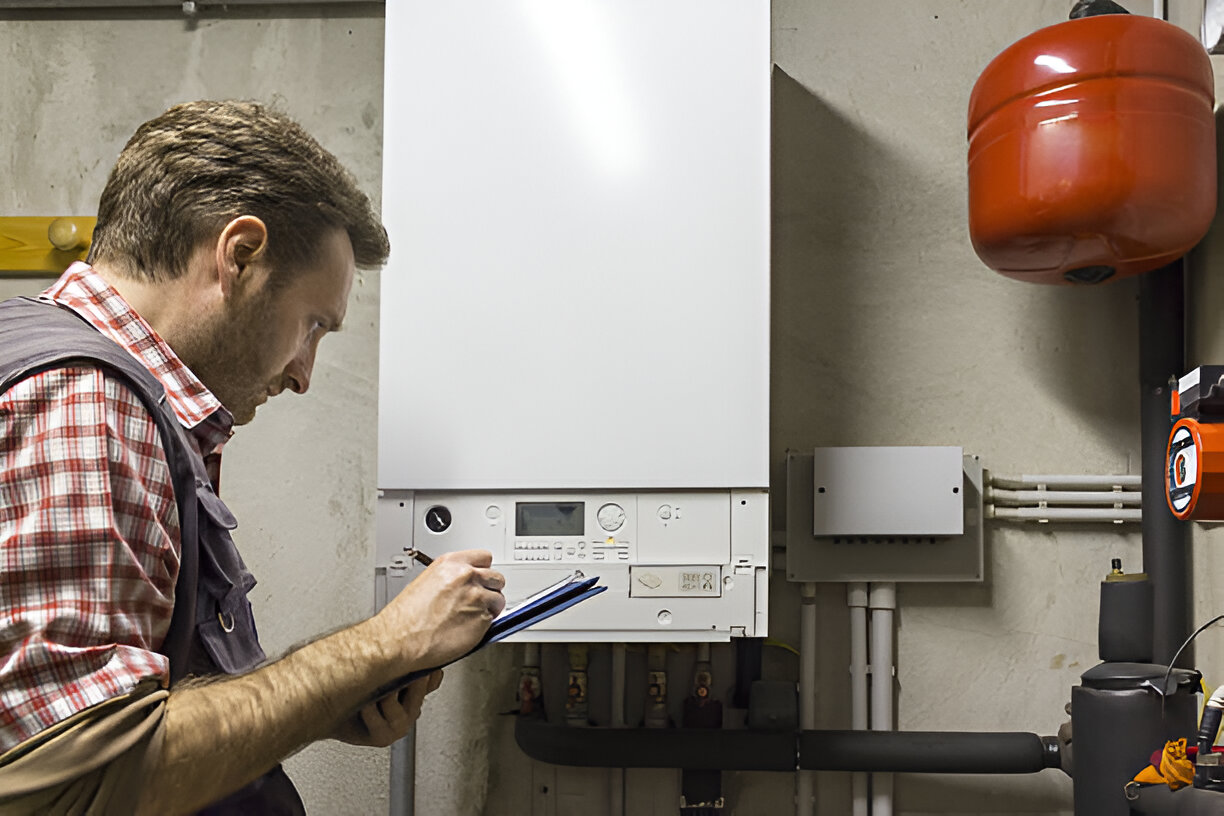
Heating Replacement in Colton, CA
Replacing a heating system is a major home investment. In Colton, CA, with warm summers and mild but occasionally chilly winters, the right modern heating solution can lower energy bills, improve year-round comfort, and reduce repair headaches. This page explains when replacement is recommended over repair, how a professional evaluation and cost estimate are prepared, the efficiency and savings differences among modern systems, safe removal and disposal practices, available rebates and financing options, and what to expect for project timelines and warranties.
When to Replace vs Repair
Deciding between repair and replacement depends on age, performance, reliability, and cost of ongoing repairs. Consider replacement when you see any of the following:
- System age over 12 to 15 years for furnaces, or 10 to 15 years for older heat pumps and packaged systems. Older equipment loses efficiency and parts become scarce.
- Frequent repairs or rising service costs year over year. If a single repair approaches 30 to 40 percent of the replacement cost, replacement often makes more financial sense.
- Poor comfort: uneven heating, rooms that never reach set temperatures, or long runtimes indicate underlying capacity or duct issues.
- Safety or reliability concerns such as persistent carbon monoxide detector activations, repeated pilot or ignition failures, or a cracked heat exchanger.
- Efficiency shortfall: current system AFUE or heat pump performance is significantly lower than modern models, leading to higher monthly energy bills.
In Colton homes, mild winters make heat pumps a practical alternative to gas furnaces for many households. Replacing an old lower-efficiency system with a high-efficiency heat pump or condensing furnace typically delivers the best long-term value.
Evaluation and Cost-Estimate Procedures
A thorough pre-replacement evaluation produces an accurate estimate and system right-sizing. Typical steps include:
- Initial walkthrough and history review: note age, maintenance records, recurring problems, and comfort complaints.
- Load calculation (Manual J): measures heating demand based on home size, insulation, windows, orientation, and local climate. This prevents oversizing and short cycling.
- Duct and distribution assessment: checks duct leakage, insulation levels, and airflow. Poor ducts can negate gains from a new high-efficiency unit.
- System selection: compare options (high-efficiency furnace, air-source heat pump, ductless mini-split) based on load, budget, and fuel availability.
- Written estimate: includes equipment model and performance ratings, scope of work (duct modification, electrical, gas line, condensate handling), permit and inspection fees, removal and disposal, and projected energy savings.
- Timeline and warranty overview: expected start and completion dates and warranty coverage summary.
Estimates should be itemized, showing labor, materials, and any required upgrades such as new thermostats, condensate pumps, or zone controls.
Modern High-Efficiency Systems and Potential Energy Savings
Modern systems offer both comfort and efficiency improvements. Common options for Colton homes include:
- High-efficiency condensing gas furnaces: AFUE ratings of 90 to 98 percent. Upgrading from an older 60 to 70 percent AFUE furnace can reduce gas use by roughly 25 to 40 percent, depending on household usage.
- Air-source heat pumps: Highly efficient heating and cooling in Southern California climates. Newer heat pumps with variable-speed compressors and inverter technology can cut heating energy use by 30 percent or more compared with older electric-resistance or low-efficiency systems. When paired with a quality thermostat and proper ductwork, heat pumps also provide efficient summer cooling.
- Ductless mini-split systems: Ideal for room-by-room comfort improvement, avoiding duct losses and enabling zoning for additional savings.
- System controls: Variable-speed blowers, zoning, and smart thermostats boost comfort and can add incremental savings by reducing run time and better matching output to demand.
Actual savings depend on local energy prices, fuel type, usage patterns, and the condition of existing ducts and insulation. A professional energy analysis helps set realistic expectations.
Removal and Disposal of Old Equipment
Safe, compliant removal matters for environmental and legal reasons:
- Refrigerant handling: Certified technicians must recover and recycle refrigerant from heat pumps or A/C equipment in line with EPA regulations.
- Hazardous components: Older units may contain oils, filters, or other materials that require special disposal methods.
- Recycling: Metals and components are recycled when possible; heat exchangers and compressors are typically salvaged.
- Permits and documentation: Disposal and removal are often documented as part of local permit inspections. Proper paperwork helps when applying for incentives or when selling your home.
Expect removal to be coordinated on installation day or scheduled separately if site access or logistics require it.
Rebates and Financing Options in Colton, CA
Colton homeowners have several incentive pathways to reduce upfront cost:
- Federal and state energy-efficiency incentives: Recent programs and tax credits often target high-efficiency heat pumps and qualifying equipment. Eligibility varies by equipment and income level.
- Local utility rebates and incentives: Utilities frequently offer rebates for heat pumps, high-efficiency furnaces, or duct upgrades. These programs change periodically and may require pre-approval or contractor registration.
- Financing options: Many homeowners use low-interest loans, PACE financing, or energy-efficiency loan programs to spread costs. Some programs allow repayment through property tax bills or utility billing.
- Bundled incentives: Combining multiple upgrades, like air sealing, insulation, and a high-efficiency heating system, sometimes unlocks larger incentives.
When budgeting, ask to have anticipated incentives reflected in the written estimate and to see documentation requirements and timelines for rebate applications.
Replacement Project Timeline and Warranties
Typical project stages and timing:
- Pre-installation (1 to 7 days): final measurements, permit application, and ordering equipment. Lead times vary by model and manufacturer.
- Installation (1 to 3 days for typical residential systems): removal of old unit, equipment placement, duct work or line set work, electrical and gas connections, and initial start-up.
- Commissioning and testing (same day as installation): system balancing, thermostat setup, efficiency checks, and safety testing. Inspector visits may follow for final approval.
- Follow-up and warranty paperwork (within 1 to 14 days): manufacturer registrations and any rebate documentation submission.
Warranties usually include manufacturer parts coverage (commonly 5 to 10 years, extendable on some components), limited lifetime heat exchanger warranties for select furnaces, and contractor workmanship warranties (commonly 1 to 5 years). Get all warranty terms in writing, including what voids coverage and routine maintenance requirements.
Benefits and Maintenance Recommendations
Replacing a dated heating system in Colton yields several advantages: lower seasonal energy bills, improved indoor comfort and air quality, quieter operation, and reduced repair disruption. To protect that investment:
- Schedule annual professional maintenance, ideally before the heating or cooling season.
- Replace filters regularly and confirm thermostat settings and schedules.
- Consider duct sealing and insulation upgrades to maximize system efficiency.
- Keep vents and outdoor equipment free of debris and vegetation.
A well-executed replacement, matched to your home and usage patterns, delivers consistent comfort and predictable operating costs for years to come.
Customer
Testimonials
Our customers consistently praise the exceptional service and professionalism of our team. They appreciate the honest advice, meticulous work, and the care taken to ensure their satisfaction.

.webp)
Service Areas
