

Heating Repair in Lawndale, CA

Heating repair services in Lawndale, CA focus on safety and reliability, providing fast, accurate diagnosis and precise fixes to restore consistent warmth. Technicians address common issues including ignition failures, blower and thermostat malfunctions, gas or electrical problems, and potential heat exchanger damage. The service approach emphasizes methodical diagnostics, clear explanations before work begins, and the use of quality replacement parts. Guidance on response times, warranties, and proactive maintenance tips helps homeowners prevent future breakdowns while maintaining safe and efficient operation.
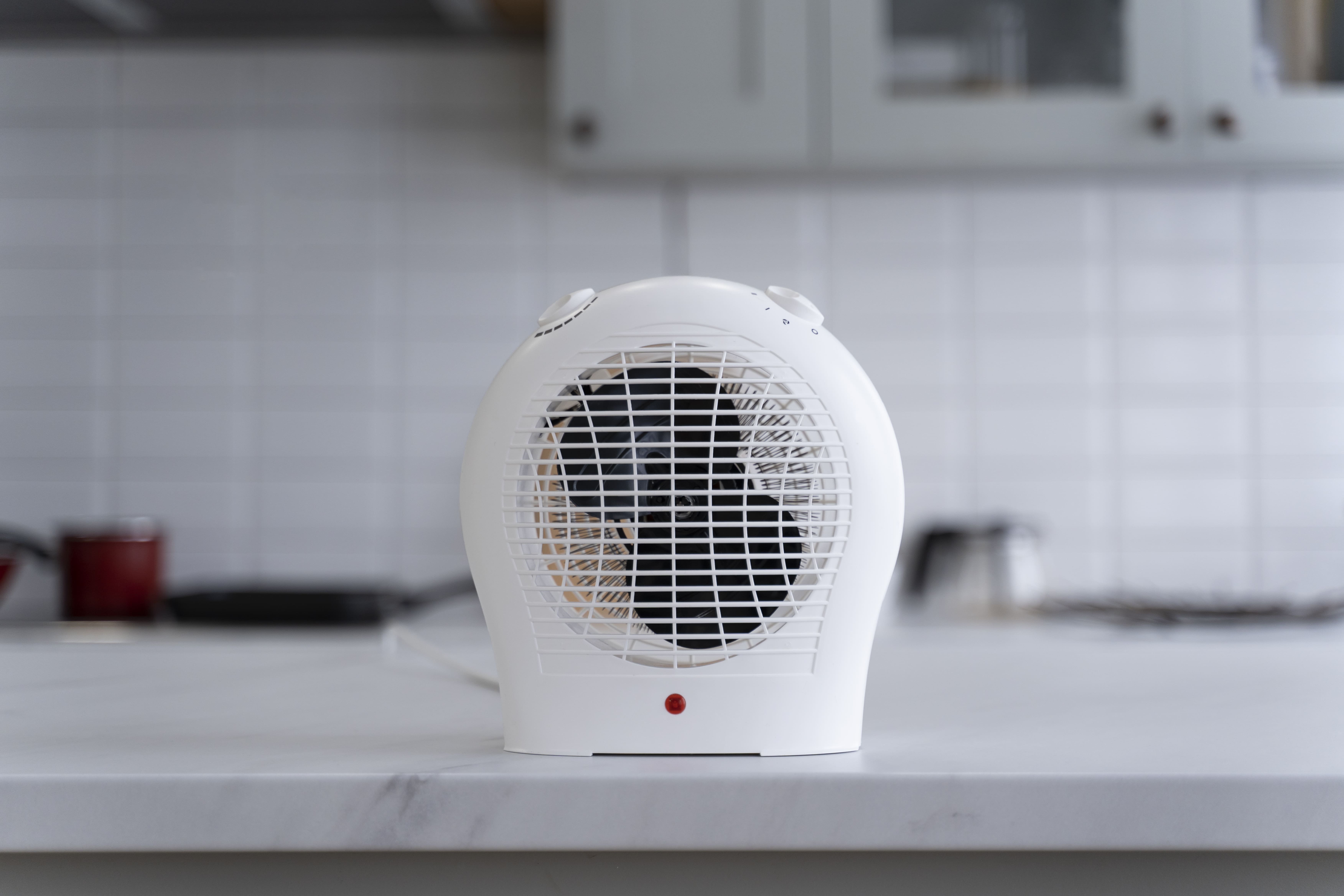
Heating Repair in Lawndale, CA
When your heater fails on a chilly night in Lawndale, CA, you need fast, reliable heating repair that diagnoses the real problem and fixes it correctly the first time. Heating repair in Lawndale homes focuses on safety, restoring comfort, and preventing repeat breakdowns. Local factors—mild coastal winters, salt air corrosion, and a mix of older and newer home systems—affect common failure modes and maintenance priorities. This page explains common issues, how technicians diagnose them, typical repair solutions and parts, expected response standards and guarantees, and proven ways to reduce future breakdowns.
Common Heating Repair Issues in Lawndale, CA
Homeowners in Lawndale commonly face these heating problems:
- Pilot or ignition failures: Older systems with a standing pilot or modern furnaces with hot surface igniters can experience ignition faults that prevent burners from lighting.
- Blower motor and airflow problems: Burnt-out motors, worn bearings, or failed capacitors lead to weak airflow or noisy operation.
- Thermostat faults: Miscalibration, dead batteries, or wiring issues can make heaters short-cycle or not turn on.
- Gas-related issues: Gas valve failures, regulator problems, or gas line leaks (especially in older houses) create safety risks and interrupted service.
- Electrical control faults: Failed control boards, relays, or limit switches can shut down a system or cause intermittent operation.
- Heat exchanger damage: Cracked exchangers are rare but critical; they can cause unsafe combustion byproducts to enter living spaces.
- Corrosion and condensate issues: Coastal salt air and occasional high humidity can corrode outdoor components and clog condensate drains on high-efficiency units.
- Filter and duct problems: Clogged filters and restrictive ductwork reduce efficiency and cause overheating trips.
Diagnostic and Troubleshooting Procedures
Technicians use a methodical, safety-first approach to identify the root cause:
- Safety checks
- Verify combustion safety with visual inspection and carbon monoxide testing when applicable.
- Check for gas odors and perform leak detection.
- System history and homeowner interview
- Ask when the issue began, what sounds were heard, and any recent service history.
- Visual inspection
- Look for corrosion, soot, loose wiring, clogged burners, and physical damage.
- Electrical testing
- Use a multimeter to check voltage to the furnace, continuity across switches, and capacitor health.
- Ignition and flame diagnostics
- For pilot systems: inspect pilot flame and thermocouple function.
- For electronic ignition: test hot surface igniter (HSI) or spark module, clean flame sensor, and verify proper flame signal.
- Airflow and blower testing
- Measure static pressure, inspect blower wheel and motor, and test capacitors and bearings.
- Combustion and venting checks
- Inspect flue for obstructions and measure combustion efficiency where appropriate.
- Operational cycling
- Run the system through multiple cycles to recreate faults and confirm stable operation after adjustments.
Technicians will explain findings in plain language and outline necessary repairs and safety concerns before proceeding.
Typical Repair Solutions and Parts Replacement
Common repairs and replacements include:
- Igniter or pilot repairs: Replace hot surface igniters, spark modules, or pilot assemblies; clean or replace flame sensors.
- Blower motor and capacitor replacement: Swap faulty motors or capacitors to restore airflow and reduce noise.
- Thermostat replacement or recalibration: Install or program thermostats and verify correct sensor placement.
- Gas valve and regulator service: Replace failing gas valves and test manifold pressure; repair any detected leaks per safety codes.
- Control board and relay replacement: Replace damaged control boards or relays that prevent reliable operation.
- Heat exchanger evaluation and replacement: If a heat exchanger is cracked, replacement is recommended for safety; repairs are not advised due to risk.
- Filter, duct, and vent service: Replace filters, clear ducts and vents, and repair leaky ductwork that contributes to inefficiency.
- Corrosion remediation and condensate drain clearing: Clean or replace corroded components and ensure proper condensate drainage on high-efficiency units.
Parts are selected for compatibility with existing systems and local code requirements. When a repair is likely to be temporary or unsafe, technicians recommend replacement options and explain the long-term benefits.
Response Times and Service Guarantees
In Lawndale, emergency heating repair is treated as a priority due to safety concerns and variable night temperatures. Typical service standards observed in the area include:
- Emergency response: Many service providers prioritize same-day or within 2 to 4 hour response for confirmed heating emergencies (no heat, suspected gas leaks, carbon monoxide alarms).
- Routine diagnostics and repair appointments: Routine scheduling is commonly within 24 to 48 hours.
- Workmanship and parts warranty: Reputable repairs include a workmanship guarantee and parts warranties from manufacturers; ask about the length and terms of coverage for replaced components.
- Safety assurance: Any repair that affects combustion or gas integrity is retested before the technician leaves, and documentation of safety checks is provided.
Expect clear explanations of guarantees and confirmation that systems are tested for safe operation after repairs.
What Affects Repair Estimates
While specific pricing varies, these factors influence repair scope and estimates:
- Age and model of the heating system
- Accessibility of components (attic, crawlspace, rooftop)
- Availability of replacement parts for older units
- Extent of corrosion or damage from coastal exposure
- Need for permits or code-compliant upgrades
- Whether additional work (duct sealing, safety devices) is recommended
Technicians should provide a transparent scope-of-work and explain why certain repairs are necessary for safety and reliability.
Preventive Tips to Avoid Future Breakdowns
To reduce the likelihood of heating failures in Lawndale homes:
- Replace or clean filters every 1 to 3 months during use to maintain airflow.
- Schedule an annual heating tune-up before the cooler months to catch wear and safety issues early.
- Keep outdoor equipment free from debris and rinse salt residue periodically to limit corrosion.
- Install and test carbon monoxide detectors and smoke alarms on each level.
- Seal and insulate ducts and attic/ crawlspace access to improve efficiency and reduce strain on the system.
- Calibrate thermostats and consider programmable or smart thermostats for smoother control.
- Address odd noises, odors, or short cycling immediately—small issues often precede major failures.
Heating repair in Lawndale, CA focuses on restoring safe, reliable warmth while accounting for coastal conditions, older system types, and local safety codes. A clear diagnostic process, targeted repairs or replacements, and sensible preventive maintenance minimize downtime and extend system life. Properly documented safety checks and workmanship guarantees provide peace of mind after any repair.
Customer
Testimonials
Our customers consistently praise the exceptional service and professionalism of our team. They appreciate the honest advice, meticulous work, and the care taken to ensure their satisfaction.

.webp)
Service Areas
