

Heating Installation in Lawndale, CA

Heating installation services in Lawndale, CA provide comprehensive support from the initial consultation through post-installation testing. The process covers a range of system types, including high-efficiency furnaces, heat pumps, hybrid systems, and multi-family setups. Critical factors such as load calculations, ductwork evaluation, and permitting requirements guide proper system sizing and selection. The installation overview addresses timelines, system commissioning, warranties, and financing options, along with practical maintenance tips to maintain peak efficiency. Focus is placed on safety, code compliance, and selecting dependable equipment with strong local support to ensure reliable comfort and long-term value.
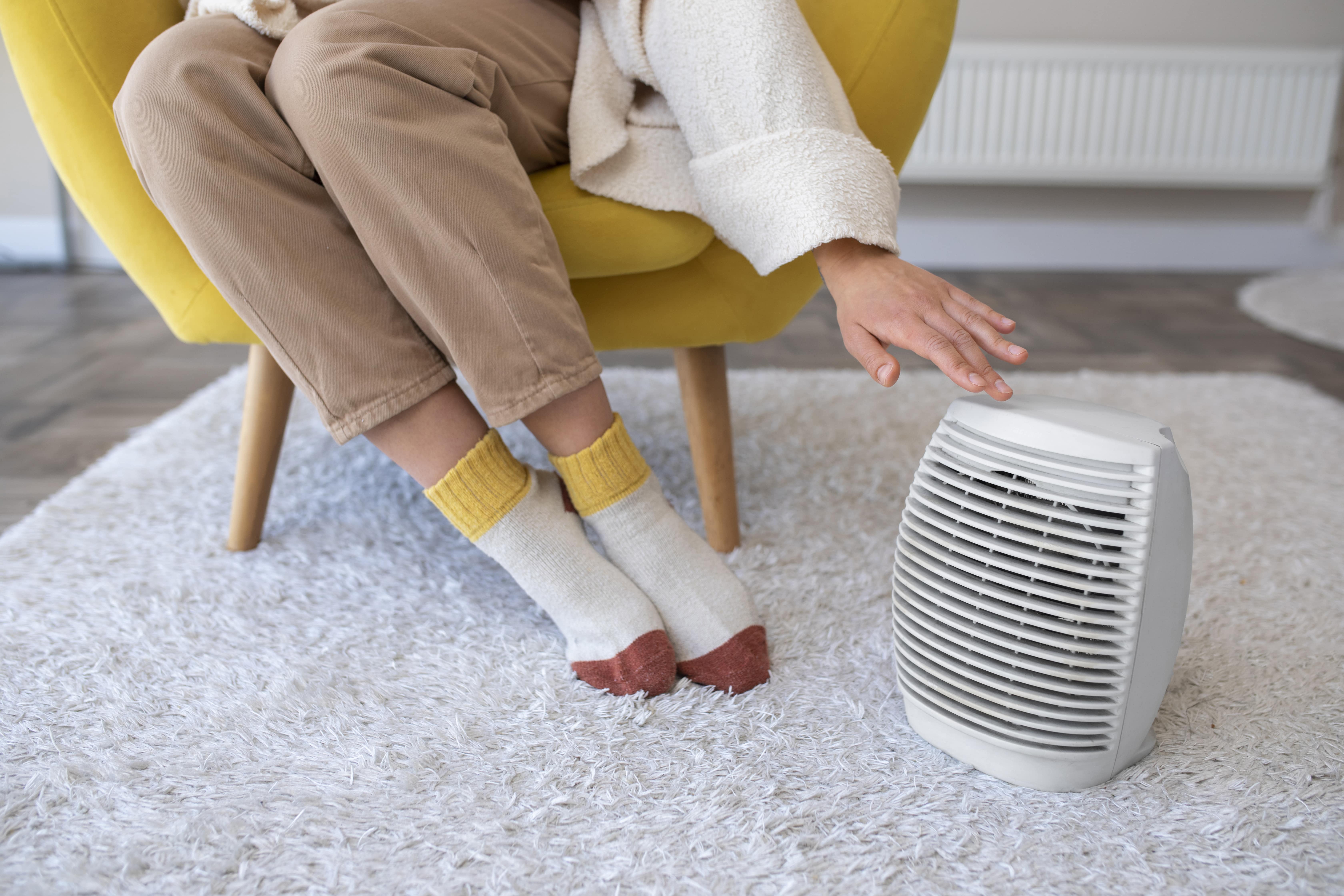
Heating Installation in Lawndale, CA
Upgrading to a new heating system is one of the most impactful improvements you can make for year-round comfort, indoor air quality, and energy bills in Lawndale, CA. Although winters here are milder than inland areas, coastal marine layer nights, damp conditions, and older home construction can leave living spaces cold and inefficient. This page explains the full new heating system installation process in Lawndale, CA — from the initial consultation and load calculations to permitting, commissioning, warranties, and financing — so you know what to expect and can make an informed decision.
Common heating installation types in Lawndale, CA
- High-efficiency gas furnaces: Still common in existing ducted systems; look for higher AFUE ratings for lower operating cost.
- Heat pumps and ductless mini splits: Increasingly popular in California for both heating and cooling with excellent efficiency and incentives.
- Hybrid systems: Combine a heat pump with a gas furnace to optimize efficiency and comfort in variable conditions.
- Commercial and multi-family systems: Tailored solutions for larger buildings or older multi-unit housing common in the South Bay.
Typical issues prompting replacement
- Frequent repairs or declining efficiency
- Uneven heating between rooms
- High monthly energy bills during cooler months
- Outdated equipment that fails to meet current efficiency or safety standards
- Incompatible or leaking ductwork reducing system effectiveness
Initial consultation and load calculations
The installation process begins with a thorough on-site consultation. During this visit we:
- Review your current system, thermostat settings, insulation levels, and comfort complaints.
- Inspect the home layout, attic, crawlspace, and existing ductwork.
- Perform a Manual J load calculation to determine the correct system size based on square footage, insulation, window area, occupancy, and local climate factors in Lawndale. Proper sizing is crucial — oversizing leads to short cycling and comfort issues; undersizing fails to maintain temperature during cool, damp nights.
Equipment selection: efficiency ratings and brand options
Choosing the right equipment balances upfront cost, operating cost, and long-term reliability.
- For gas furnaces, look at AFUE ratings. Modern high-efficiency models typically exceed 90 to 95 AFUE.
- For heat pumps, evaluate SEER for cooling efficiency and HSPF or heating seasonal performance for heating. Many homeowners prefer ENERGY STAR certified heat pumps for superior efficiency.
- Consider reputable brands with strong local support and parts availability. Brand choice can influence warranty length and serviceability.
- We discuss features like variable-speed blowers, modulating burners or compressors, zoned controls, and smart thermostats to match your comfort needs and budget.
Ductwork assessment and upgrades
Duct condition dramatically affects system performance.
- Inspect for leaks, disconnected runs, undersized ducts, and inadequate insulation — especially in attics or crawlspaces common in Lawndale homes.
- Addressable upgrades include sealing and insulating ducts, resizing or adding return air pathways, and installing new ductwork where needed.
- For ductless heat pumps or mini-splits, ductwork may be unnecessary, simplifying installation and improving efficiency for homes with problematic ducts.
Permit and code compliance
New heating system installations in Lawndale must comply with California and local building codes, including safety and energy efficiency standards.
- Required permits and inspections are typically obtained through local jurisdictional offices; work includes documented load calculations and equipment specifications.
- Installations often must comply with California Title 24 energy requirements and may require specific efficiency minimums or commissioning documentation.
- Proper permitting protects your property value and ensures the system meets code for safety and performance.
Installation timeline
Installation time depends on system complexity:
- Simple like-for-like furnace or heat pump replacements: commonly completed in 1 to 2 days.
- Systems requiring significant ductwork modifications, custom sheet metal, or structural work may take several days to a couple of weeks.
- New construction or whole-home conversions (for example, switching from gas furnace to all-electric heat pump) typically have a longer timeline due to additional electrical work, permit processing, and inspections.
Post-installation testing and commissioning
Once installed, thorough testing ensures the system operates as intended:
- Airflow balancing to deliver consistent temperatures to all rooms.
- Combustion and carbon monoxide safety tests for gas appliances.
- Refrigerant charge and electrical safety checks for heat pumps.
- Thermostat calibration and user familiarization, including programming for energy savings.
- A final walkthrough documents system performance and any follow-up tasks.
Warranty details and ongoing maintenance
- New heating equipment includes manufacturer warranties for parts and, in some cases, heat exchangers or compressors. Warranty length varies by brand and model.
- Installer-provided labor warranties cover workmanship for a defined period. Registration of equipment may be required to activate certain warranties.
- Regular maintenance extends equipment life and preserves efficiency: annual tune-ups, filter changes, and periodic duct inspections are recommended.
Financing and rebates available in Lawndale, CA
- Many Lawndale homeowners qualify for financing options to spread the cost of a new system over time. Flexible programs often accommodate upgrades that improve energy efficiency.
- California and local energy programs commonly offer rebates and incentives for high-efficiency heat pumps, HVAC upgrades, and duct sealing. These incentives can significantly reduce net installation cost.
- It is advisable to confirm eligibility for utility or state incentives when selecting equipment to maximize available savings.
Why timely heating installation matters in Lawndale
Upgrading now improves comfort during cool coastal nights, reduces energy consumption, and resolves long-standing issues like uneven heating or poor indoor air quality. Properly sized and installed systems operate more quietly, last longer, and often qualify for valuable energy incentives. Addressing duct problems and code compliance during installation avoids recurring performance issues and potential safety hazards.
Maintenance tips after installation
- Change filters regularly and follow the manufacturer maintenance schedule.
- Schedule annual professional tune-ups before the heating season.
- Keep vents and returns clear of furniture and carpets to maintain airflow.
- Monitor monthly energy use for unexpected spikes that can indicate issues.
A well-planned heating installation in Lawndale, CA starts with accurate sizing, the right equipment choice, and attention to ductwork and code requirements. The result is a safer, more comfortable, and more efficient home tailored to local climate and building conditions.
Customer
Testimonials
Our customers consistently praise the exceptional service and professionalism of our team. They appreciate the honest advice, meticulous work, and the care taken to ensure their satisfaction.

.webp)
Service Areas
